Bulgaria
Updated June 20, 2026
Bulgaria recorded 13.6 million international visitors in 2025, with 2026 arrivals projected toward 14 million, as Romania, Turkey, Greece, and Germany lead source markets to this Black Sea nation increasingly recognized for combining sun-soaked beaches with mountain hiking in a single day. The count…
Must-See Places in Bulgaria
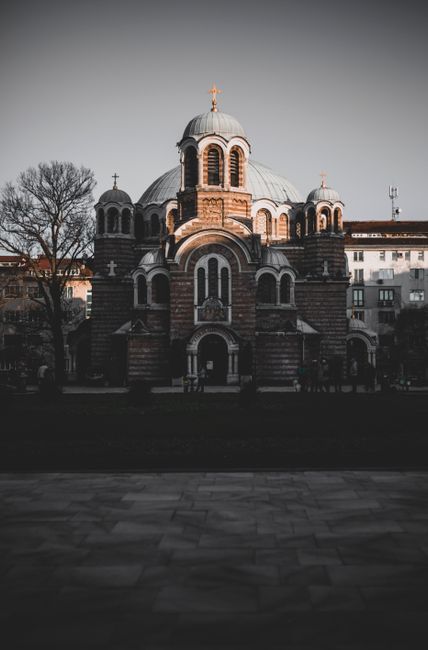
Sofia
Sofia, one of Europe's oldest continuously inhabited cities, blends Byzantine churches, communist-era architecture, and ancient Roman ruins within easy reach of Vitosha Mountain's ski slopes just outside the city limits. The capital's layered history spans Thracian, Roman, Byzantine, Ottoman, and communist periods within a remarkably compact urban area. Ideal for first-time visitors wanting Bulgaria's deepest historical layering alongside surprising mountain access.

Plovdiv
Plovdiv, among Europe's oldest cities, showcases a remarkably preserved ancient Roman theater still used for performances today, alongside a charming old town of colorful Bulgarian Revival-era houses and a thriving contemporary arts scene. The city's deep archaeological layers continue revealing new historical finds during ongoing excavations. Best for history enthusiasts and travelers seeking Bulgaria's most architecturally and culturally vibrant city outside the capital.
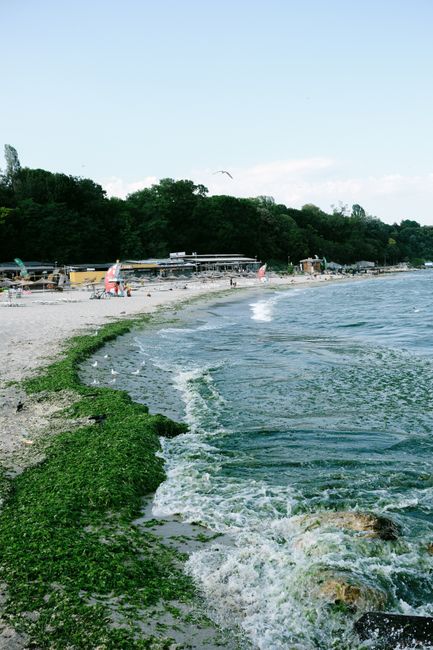
Black Sea Coast (Varna and Burgas)
Bulgaria's Black Sea coast offers 378 km of beaches anchored by the lively resort cities of Varna and Burgas, combining sun-soaked summer beach culture with significant historical sites and a notably affordable price point compared to Mediterranean alternatives. Resort towns along the coast cater to both family beach holidays and livelier nightlife-focused tourism. Ideal for beach travelers seeking an affordable, increasingly popular Black Sea alternative to pricier Western European coastlines.
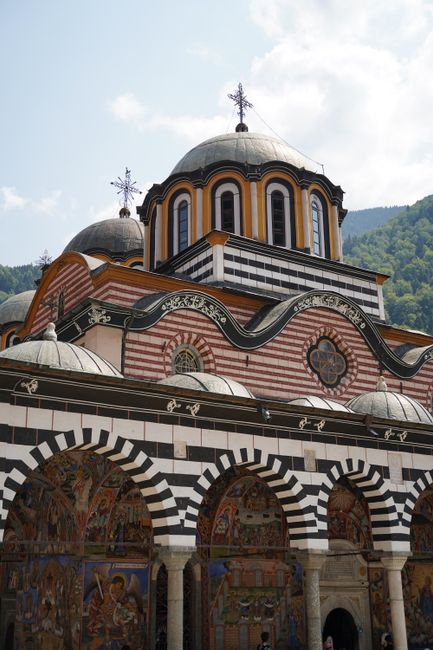
Rila Monastery
Rila Monastery, a UNESCO World Heritage Site founded in the 10th century, preserves vivid frescoes and elaborate woodcarvings within its dramatic mountain setting, having served as a crucial preservationist center for Bulgarian language and culture throughout centuries of Ottoman rule. The monastery's striped striped archways and richly decorated courtyard rank among Bulgaria's most visually striking religious sites. Best for history and architecture enthusiasts seeking Bulgaria's most significant religious and cultural heritage site.
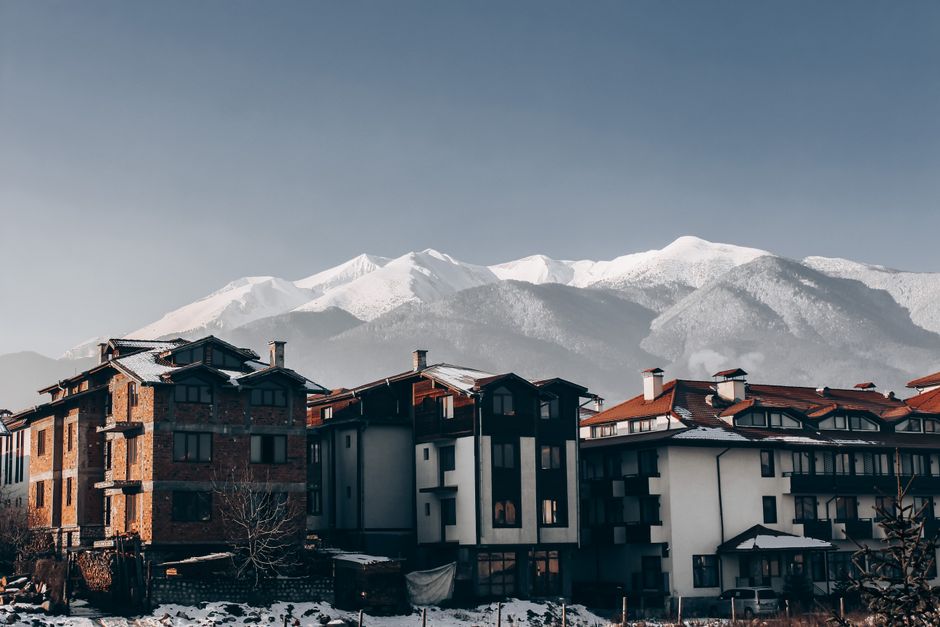
Bansko
Bansko anchors Bulgaria's mountain ski tourism, offering some of Europe's most affordable Alpine-style skiing alongside a well-preserved old town of traditional stone houses and a notable wine-and-culture heritage distinct from the slopes themselves. The town's combination of winter sports and historical charm draws both ski-focused and culturally curious visitors. Ideal for skiers and winter sports enthusiasts seeking significantly lower prices than comparable Western European resorts.
Nesebar
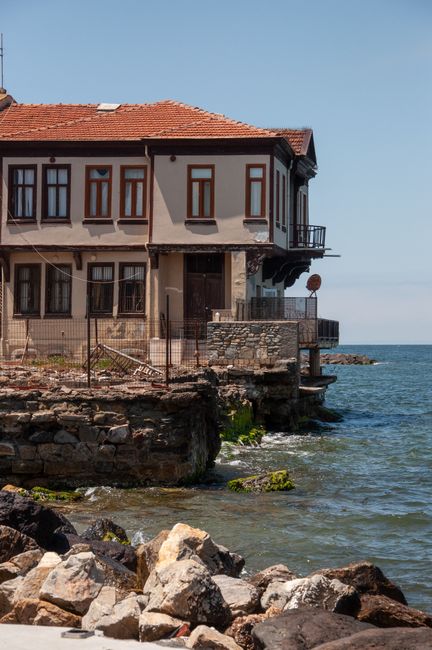
Nesebar, a UNESCO World Heritage Site on a small Black Sea peninsula, has been continuously inhabited since its founding as a Greek colony around the 6th century BC, preserving an exceptional concentration of medieval churches within its compact old town. The site's small scale and dense historical layering make it a particularly rewarding short visit from nearby Black Sea resort towns. Best for history enthusiasts seeking deep heritage within an easy day trip from Bulgaria's coastal resorts.
Unique Experiences in Bulgaria
Visiting the Thracian Tomb of Kazanlak
Explore the Thracian Tomb of Kazanlak, a UNESCO World Heritage Site dating to the 4th century BC, viewing remarkably preserved frescoes depicting a Thracian ruling couple within an ancient burial mound.
Skiing in Bansko
Ski Bansko's well-developed slopes, among the most affordable Alpine-style skiing in Europe, set within a historic mountain town that combines winter sports with traditional Bulgarian architecture and wine culture.
Exploring Plovdiv's Ancient Roman Theater
Visit Plovdiv's remarkably preserved ancient Roman theater, built around the 1st-2nd century AD and still used for live performances today, offering a rare combination of archaeological significance and active cultural use.
Wine Tasting in Bulgaria's Wine Regions
Taste Bulgarian wine at family-run wineries, exploring a winemaking tradition tracing back to ancient Thracian vintners and increasingly recognized internationally for quality red varietals.
Photographing the Buzludzha Monument
Visit the abandoned, flying-saucer-shaped Buzludzha Monument atop a remote Balkan Mountain peak, one of Europe's most distinctive and surreal communist-era structures, now in a state of dramatic decay.
Black Sea Beach Hopping Between Varna and Burgas
Explore Bulgaria's 378 km Black Sea coastline, moving between Varna's lively beaches, smaller hidden coves, and Burgas's resort towns at a fraction of the cost of comparable Mediterranean beach destinations.
Travel Tips for Bulgaria
Take Advantage of Bulgaria's Exceptional Value Relative to Western Europe
Bulgaria offers significantly lower prices than Western European destinations for comparable quality accommodation, dini…
Carry Cash for Smaller Towns and Traditional Markets
While Sofia, Plovdiv, and major Black Sea resorts are increasingly card-friendly, smaller towns and traditional markets …
Book Black Sea Coast Accommodation Well Ahead for Peak Summer
July and August bring intense demand to Black Sea resort towns like Varna and Burgas, with regional visitors from Romani…
Respect Religious Site Etiquette at Monasteries
Rila Monastery and other significant Bulgarian Orthodox religious sites expect modest dress, covering shoulders and knee…
Check ETIAS Requirements Before Late 2026 Travel
Visa-exempt travelers, including from the US, UK, Canada, and Australia, will need an approved ETIAS travel authorizatio…
Combine Coastal and Mountain Experiences Given Bulgaria's Compact Size
Bulgaria's relatively small size allows genuinely combining Black Sea beach time with mountain hiking or skiing within a…
Must-Try Local Dishes

Banitsa
Banitsa layers thin phyllo-style pastry around a filling of whisked eggs and sirene, Bulgaria's tangy white brined cheese similar to feta, baked until golden and slightly crisp, representing one of the country's most beloved breakfast and everyday pastries. Traditional New Year's Eve versions hide small paper fortunes or coins wrapped inside individual portions, turning the meal into a playful divination ritual for the year ahead. Bakeries and home kitchens alike produce countless regional variations, with pumpkin, spinach, or leek fillings offering popular alternatives to the classic cheese version.
Shopska Salad
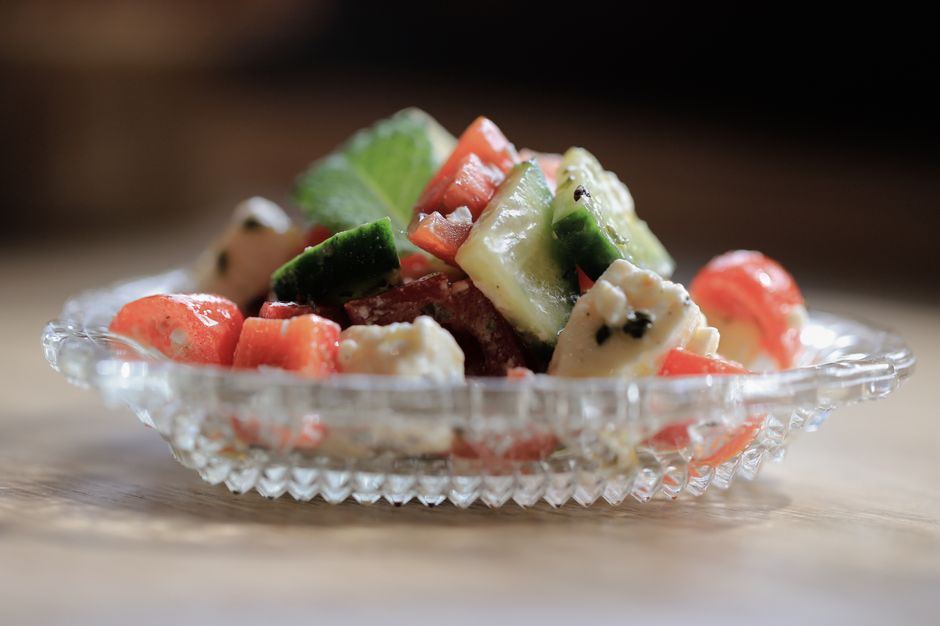
Shopska salad combines diced tomatoes, cucumbers, onions, and roasted peppers, topped generously with grated sirene cheese, dressed simply with sunflower oil and vinegar, representing Bulgaria's most internationally recognized and beloved salad. The dish's reliance on ripe, flavorful summer produce makes it a genuine seasonal specialty best enjoyed during peak tomato season, when Bulgarian markets overflow with locally grown vegetables. Named after the Shopi people of the western Bulgarian and Sofia region, it remains a near-universal starter at restaurants throughout the country.

Tarator
Tarator, a refreshing cold soup blending yogurt, cucumber, garlic, dill, and walnuts, offers genuine relief from Bulgaria's intense summer heat, its tangy, garlicky profile relying directly on the country's distinctively cultured Bulgarian yogurt tradition. The soup's preparation requires no cooking, making it a practical, quick dish for hot weather, with regional variations adjusting the garlic intensity and walnut quantity according to family preference. It pairs naturally with grilled meats as a cooling counterpoint within a larger Bulgarian meal.

Kavarma
Kavarma slow-cooks meat, typically pork or chicken, with onions, peppers, and mushrooms in a clay pot, the long, gentle cooking process producing a rich, deeply flavored stew traditionally served bubbling hot directly in its individual cooking vessel. The dish reflects centuries of Ottoman-influenced Balkan slow-cooking technique, adapted with distinctly Bulgarian spice preferences and ingredient combinations. Regional variations across Bulgaria's different provinces reflect local meat and vegetable availability, with each area claiming its own preferred approach.

Sirene Cheese
Sirene, Bulgaria's tangy white brined cheese, anchors countless national dishes from shopska salad to banitsa, made traditionally from sheep's, cow's, or goat's milk and brined for weeks to develop its characteristic salty, slightly crumbly texture distinct from similar Balkan cheeses like feta. Bulgarian households consider sirene quality a serious point of pride, with specific regional producers and family recipes passed down through generations. The cheese remains so fundamental to Bulgarian cuisine that few traditional meals are considered complete without some form of it included.

Rakia
Rakia, a strong fruit brandy distilled most commonly from grapes or plums, anchors Bulgarian hospitality traditions much like similar spirits across the broader Balkan region, often offered as a welcoming shot to guests and central to celebratory toasts at weddings and family gatherings. Many Bulgarian families maintain small home distilleries, with rakia production representing a genuine point of regional and family pride, sometimes infused with herbs or fruit for additional flavor complexity. The spirit's strength and ubiquity make it a defining feature of Bulgarian social and celebratory culture.
History
Ancient Thrace and Roman Rule
The Thracians, an ancient Indo-European people, inhabited the territory now comprising Bulgaria for centuries before Greek and later Roman contact, developing sophisticated metalworking traditions and burial practices, including the elaborate tomb complexes at Kazanlak and Sveshtari that remain UNESCO World Heritage Sites today. Thracian culture also introduced wine and garlic cultivation to the region, planting the roots of Bulgaria's enduring vineyard traditions.
Roman Integration
Rome incorporated Thracian territory into its empire by the 1st century AD, building roads, cities, and infrastructure that connected the region to the broader Mediterranean world, while Thracian culture gradually blended with Roman administrative and religious practices.
- The Thracian Tomb of Kazanlak, dating to the 4th century BC, features remarkably preserved frescoes depicting a Thracian ruling couple, offering rare insight into Thracian elite culture and beliefs about the afterlife.
- Thracian gold and silver metalworking, including elaborate ceremonial vessels, demonstrates a level of craftsmanship that surprised many archaeologists upon discovery, given the relatively limited prior understanding of Thracian civilization.
- Roman cities established in the region, including Serdica (modern Sofia) and Philippopolis (modern Plovdiv), would persist as significant urban centers across subsequent millennia.
- This Roman-era urban continuity makes both Sofia and Plovdiv among Europe's oldest continuously inhabited cities, with archaeological layers spanning thousands of years still being uncovered today.
This deep Thracian and Roman foundation, only fully appreciated by archaeologists in relatively recent decades, established settlement patterns and cultural traditions—wine, metalworking, urban continuity—that persisted through subsequent Byzantine, Slavic, and Ottoman layers of Bulgarian history.
Climate & Best Time to Visit
Spring
6–19°C
Spring (April to May) brings mild, increasingly warm temperatures of 10-20°C, blooming countryside, and noticeably fewer…
Summer
18–30°C
Summer (June to September) brings Bulgaria's warmest weather, with inland temperatures often exceeding 30°C and the Blac…
Autumn
8–19°C
Autumn (September to October) offers comfortable temperatures and significantly thinner crowds following the summer peak…
Winter
-3–5°C
Winter (December to February) brings heavy snowfall to Bulgaria's mountain regions, transforming resorts like Bansko int…
Fascinating Fun Facts
Bulgarian Yogurt's Distinctive Tang Comes From a Bacteria Named After the Country
Bulgarian yogurt owes its distinctive tangy flavor to Lactobacillus bulgaricus, a specific bacteria strain first scienti…
Bulgaria Refused to Deport Its Jewish Population During World War II
Despite allying with Nazi Germany during World War II, the Bulgarian government and public pressure successfully resiste…
The Cyrillic Alphabet Was Developed and Refined in Bulgaria
The Cyrillic alphabet, named after Saint Cyril, was developed and significantly refined in Bulgaria during the 9th-10th …
Sofia and Plovdiv Rank Among Europe's Oldest Continuously Inhabited Cities
Both Sofia (ancient Serdica) and Plovdiv (ancient Philippopolis) were established as significant settlements under Thrac…
The Buzludzha Monument Is One of Europe's Most Unusual Communist-Era Structures
The Buzludzha Monument, a massive flying-saucer-shaped structure built in 1981 to commemorate Bulgaria's communist movem…
Bulgaria's Nesebar Old Town Has Been Continuously Inhabited for Thousands of Years
Nesebar, a UNESCO World Heritage Site on Bulgaria's Black Sea coast, has been continuously inhabited since its founding …
Traveler Reviews (0 reviews)
Sign in to leave a review and share your experience.
Sign InNo reviews yet. Be the first to share your experience!