Brazil
Updated June 20, 2026
Brazil welcomed a record 9.3 million international visitors in 2025 and is on track to surpass 10-11.5 million in 2026, with arrivals in early 2026 running over 50% above the same period in 2024 as Argentina, Chile, and a growing United States market drive South America's tourism powerhouse. The cou…
Must-See Places in Brazil

Rio de Janeiro
Rio de Janeiro anchors Brazilian tourism with Christ the Redeemer's iconic mountaintop statue, Copacabana and Ipanema's famous beaches, and the world's largest Carnival celebration each year. The city received over 1 million international visitors in just the first five months of 2026, a 52% increase. Ideal for first-time visitors wanting Brazil's most iconic beaches, mountains, and vibrant street culture in one dramatic coastal city.

The Amazon Rainforest
The Amazon rainforest, predominantly within Brazilian territory, offers unparalleled biodiversity and jungle lodge experiences, with the dry season (May-October) providing the best wildlife viewing and trekking conditions as river levels drop and animals concentrate near remaining water. The region's sheer ecological significance, discharging more water than the next seven largest rivers combined, makes it a globally unique destination. Best for nature enthusiasts and adventure travelers seeking the world's most significant rainforest ecosystem.

Iguazu Falls
Iguazu Falls, straddling the Brazil-Argentina border, ranks among the world's most spectacular waterfall systems, with Brazil's side offering panoramic views across the full breadth of the cascading falls. The surrounding subtropical rainforest supports significant wildlife including toucans and coatis commonly seen along the viewing trails. Ideal for nature lovers and photographers seeking one of South America's most dramatic natural wonders.

The Pantanal
The Pantanal, the world's largest tropical wetland, offers safari-style wildlife viewing rivaling African destinations, with jaguars, capybaras, and abundant bird life concentrating around water sources during the dry season (June-September). The region's relative remoteness has kept it considerably less visited than Brazil's more famous coastal destinations. Best for serious wildlife enthusiasts seeking exceptional, less-crowded safari-style viewing within South America.

São Paulo
São Paulo, Brazil's largest city, offers significant cultural depth through world-class museums, restaurants representing the country's full culinary diversity, and the largest Japanese diaspora community in the world. The city's sophisticated urban energy provides a markedly different experience from Brazil's beach-focused destinations. Best for urban explorers and food travelers seeking Brazil's most culturally and culinarily diverse major city.

Ouro Preto
Ouro Preto, a UNESCO World Heritage Site in Minas Gerais, preserves remarkable Baroque colonial architecture funded by the region's 18th-century gold rush wealth, alongside the birthplace of Minas Artisanal Cheese, recently recognized by UNESCO. The town's steep, cobblestone streets and ornate churches reflect colonial Brazil's gold-era prosperity. Ideal for history enthusiasts and food travelers seeking Brazil's deepest colonial architectural and culinary heritage.
Unique Experiences in Brazil
Experiencing Carnival in Rio de Janeiro
Join Rio de Janeiro's world-famous Carnival celebration, watching elaborately costumed samba schools compete in the iconic Sambadrome parade alongside massive street parties (blocos) throughout the city.
Amazon Jungle Lodge Stay
Stay at a remote jungle lodge deep within the Amazon rainforest, taking guided night walks, canoe trips, and wildlife spotting excursions led by experienced local guides familiar with the rainforest's ecology.
Wildlife Safari in the Pantanal
Take a safari-style wildlife tour through the Pantanal wetlands, seeking jaguars, capybaras, and abundant bird species in one of the world's most significant and least-crowded wildlife viewing destinations.
Hiking to Christ the Redeemer via Corcovado
Visit the iconic Christ the Redeemer statue atop Corcovado Mountain, taking in panoramic views over Rio de Janeiro's beaches, mountains, and urban sprawl from one of the most recognizable viewpoints in the world.
Boat Tour at Iguazu Falls
Take a boat tour directly beneath sections of Iguazu Falls' thundering cascades, experiencing the sheer power and scale of the falls from a uniquely immersive, soaking-wet vantage point.
Exploring Ouro Preto's Colonial Architecture and Cheese Tradition
Walk through Ouro Preto's UNESCO-listed Baroque colonial streets while sampling Minas Artisanal Cheese, recently recognized by UNESCO, directly from local producers continuing centuries-old gold rush-era farming traditions.
Travel Tips for Brazil
Confirm Your Specific Visa Requirement Given Recent Changes
Brazil ended its temporary visa waiver for US, Canadian, and Australian passport holders in April 2025, meaning citizens…
Plan Regional Travel Around Brazil's Distinct Climate Zones
Brazil's enormous size means dramatically different optimal travel windows by region — Rio and São Paulo are best visite…
Use Ride-Hailing Apps Rather Than Hailing Taxis on the Street
Apps like Uber operate widely throughout Brazil's major cities, offering more reliable and transparently priced transpor…
Research Safety Conditions by Specific Neighborhood
Security conditions vary significantly by specific area within Brazilian cities, with major tourist zones in Rio and São…
Get Yellow Fever Vaccination If Visiting the Amazon or Pantanal
Travelers visiting the Amazon region, the Pantanal, and certain other interior regions should consult a travel health pr…
Book Carnival Accommodation and Tickets Many Months Ahead
Rio de Janeiro's Carnival period sees the most extreme demand spike of Brazil's entire tourism calendar, with hotel pric…
Must-Try Local Dishes

Feijoada
Feijoada, widely considered Brazil's national dish, slow-simmers black beans with various cuts of pork and beef into a rich, hearty stew, traditionally served with rice, collard greens, orange slices, and farofa (toasted cassava flour), reflecting deep Portuguese and African culinary fusion. The dish's origins trace partly to enslaved African communities who reportedly used less-prized cuts of meat discarded by plantation owners, transforming them into a now-celebrated national dish. Feijoada remains a beloved weekend tradition, particularly on Saturdays, when many Brazilian families and restaurants prepare the time-intensive dish for a leisurely, communal meal.
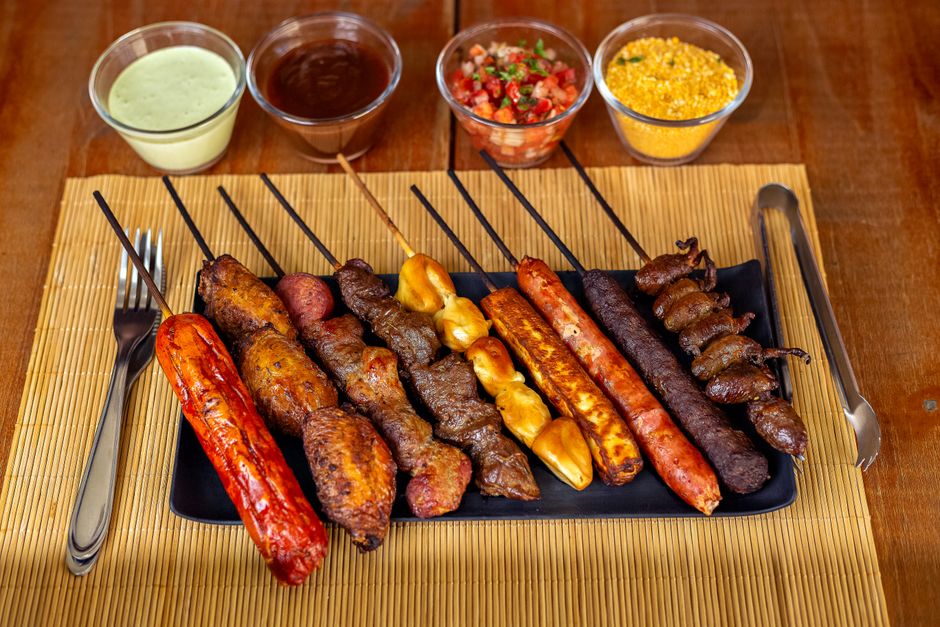
Churrasco
Churrasco, Brazil's celebrated barbecue tradition, grills various cuts of meat over open flame or rotating skewers, traditionally served continuously tableside at dedicated churrascaria restaurants where servers circulate offering fresh-cut portions until guests signal they've had enough. The tradition traces roots to Southern Brazil's gaúcho (cowboy) culture, where ranch hands developed techniques for cooking large quantities of meat over open fires during cattle drives. Churrascarias operating on this all-you-can-eat rodízio format have become one of Brazil's most internationally recognized culinary exports, replicated in cities worldwide.
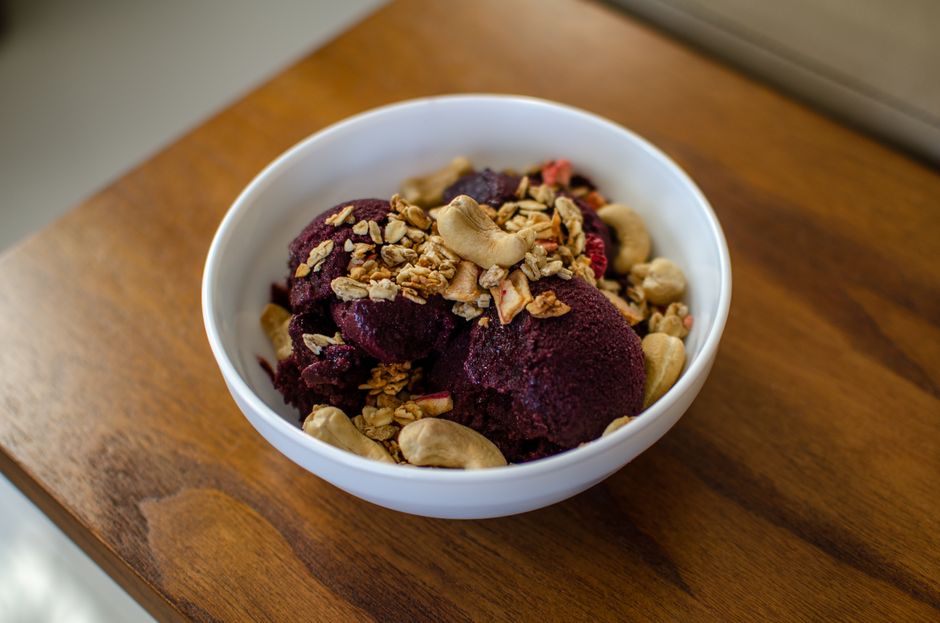
Açaí Bowl
Açaí bowls blend the deep purple, antioxidant-rich açaí berry, native to the Amazon region, into a thick, frozen smoothie-like base topped with granola, banana, and other fresh fruit, originating from Amazonian indigenous and riverside communities who have consumed the berry for generations before its more recent global health food popularity. In the Amazon region itself, açaí is traditionally eaten savory, paired with fish or manioc, a notable contrast to the sweetened dessert-style preparation that has become internationally popular. The berry's intensely perishable nature historically limited its consumption to areas near the Amazon, before modern freezing and processing technology enabled wider distribution.

Pão de Queijo
Pão de queijo, small, chewy cheese bread rolls made from tapioca flour rather than wheat, originated in Minas Gerais during the colonial era, when enslaved cooks adapted available cassava-based flour into a distinctly Brazilian bread tradition now found throughout the entire country. The bread's naturally gluten-free composition, a historical accident of available regional ingredients rather than deliberate dietary choice, has made it increasingly popular internationally among gluten-free consumers. Served warm, ideally fresh from the oven, pão de queijo remains a beloved breakfast and snack staple across Brazilian households and bakeries.
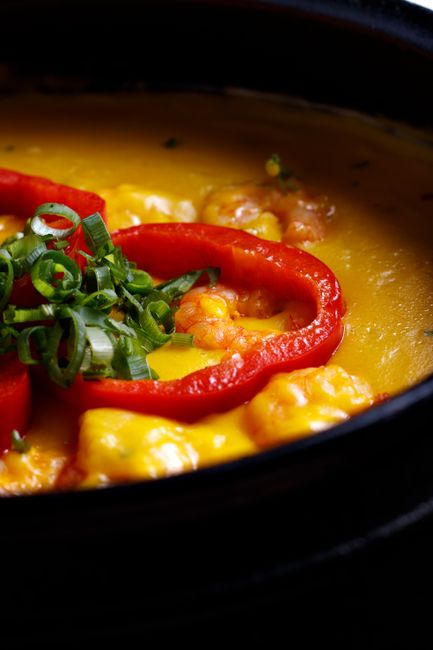
Moqueca
Moqueca, a rich seafood stew simmered in coconut milk, palm oil, and tomatoes, exists in two distinct regional styles — Bahian (with dendê palm oil reflecting strong African culinary influence) and Capixaba from Espírito Santo (without palm oil, using annatto for color instead) — sparking genuine regional rivalry over the 'authentic' approach. The dish reflects Brazil's coastal Indigenous, Portuguese, and African culinary fusion, traditionally cooked and served in a distinctive clay pot that helps maintain even heat distribution throughout the slow simmering process. Bahia, in particular, considers moqueca a defining regional culinary signature.
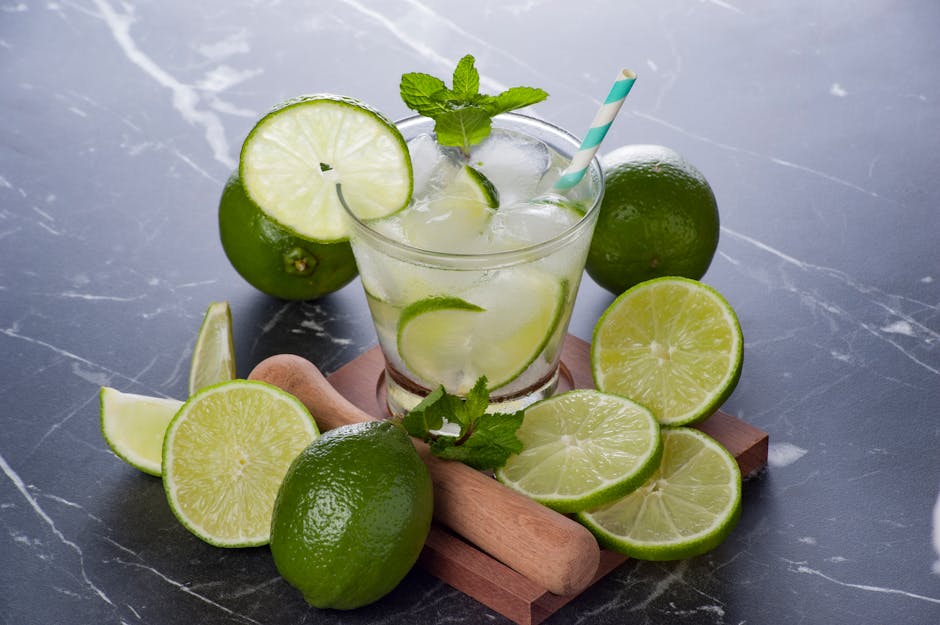
Caipirinha
Caipirinha, Brazil's national cocktail, combines cachaça (a sugarcane-based spirit distinct from rum) with fresh lime and sugar, muddled together for a tart, refreshing drink considered an essential part of Brazilian social and beach culture. Cachaça itself, distilled from fermented sugarcane juice rather than molasses as rum typically is, represents a uniquely Brazilian spirit with deep colonial-era roots in the country's sugar plantation economy. The caipirinha's simple but precisely balanced combination of sweet, sour, and alcoholic elements has made it one of Brazil's most internationally recognized culinary exports.
History
Indigenous Brazil Before European Contact
Indigenous peoples inhabited Brazil for thousands of years before European contact, developing diverse cultures across the Amazon rainforest, coastal regions, and interior plateaus, with population estimates suggesting several million Indigenous inhabitants across hundreds of distinct ethnic groups and languages prior to Portuguese arrival.
Diverse Pre-Colonial Societies
These Indigenous societies developed sophisticated knowledge of rainforest ecology, agriculture, and, in some Amazonian regions, surprisingly large and complex settlements that challenged earlier assumptions about the rainforest's capacity to support significant population density.
- Archaeological research has increasingly revealed evidence of significant pre-Columbian Amazonian earthworks and settlements, suggesting more complex and populous indigenous societies than once assumed.
- Indigenous agricultural techniques, including sophisticated use of fire and soil management (creating fertile 'terra preta' or dark earth), shaped the Amazon's ecology in ways still being studied today.
- European diseases, arriving with Portuguese contact starting in 1500, caused catastrophic population decline among Indigenous communities, with death rates in some regions exceeding 90%.
- Surviving Indigenous communities and their descendants remain present throughout Brazil today, though they represent a small fraction of the country's total population following centuries of disease, displacement, and violence.
This deep, diverse pre-colonial Indigenous history, increasingly recognized through ongoing archaeological discovery, established ecological and cultural patterns that persisted even through the devastating demographic collapse following European contact.
Climate & Best Time to Visit
Southern Summer (Rio and Coast)
23–32°C
December to March brings Brazil's warm summer season to Rio de Janeiro and the southeastern coast, with temperatures reg…
Amazon Dry Season
22–32°C
May to October brings the Amazon region's dry season, with reduced rainfall and lower river levels making wildlife viewi…
Rio and São Paulo Mild Season
16–25°C
May to October brings notably more comfortable conditions to Rio de Janeiro and São Paulo, with temperatures cooling fro…
Southern Winter (Iguazu and Pantanal)
12–24°C
June to September brings cooler, drier conditions to Brazil's southern regions and the Pantanal wetlands, with the Panta…
Fascinating Fun Facts
Brazil Received More Enslaved Africans Than Any Other Country in the Americas
Brazil received an estimated 4-5 million enslaved Africans during the colonial and early independence periods, far more …
Brazil Was the Last Country in the Americas to Abolish Slavery
Brazil formally abolished slavery only in 1888, the last country in the Western Hemisphere to do so, a delay reflecting …
São Paulo Has the World's Largest Japanese Diaspora Community
Brazil received the largest Japanese immigration of any country outside Japan itself, beginning in the early 20th centur…
Brazil Has Won the FIFA World Cup Five Times
Brazil holds the record for most FIFA World Cup victories with five championships, more than any other nation, reflectin…
Minas Artisanal Cheese Just Became the First Brazilian Food on UNESCO's Heritage List
Minas Artisanal Cheese, made with raw unpasteurized milk using ancestral techniques tracing back to Brazil's 17th-18th c…
The Amazon River Carries More Water Than the Next Seven Largest Rivers Combined
The Amazon River, flowing predominantly through Brazil, discharges more water into the ocean than the next seven largest…
Traveler Reviews (0 reviews)
Sign in to leave a review and share your experience.
Sign InNo reviews yet. Be the first to share your experience!