Belgium
Updated June 20, 2026
Belgium welcomed a record 9.64 million international visitors in 2024, with the Netherlands leading source markets, as combined domestic and international visitors spent $26.4 billion across the country — a 30% jump from pre-pandemic 2019 levels. The country holds 16 UNESCO World Heritage Sites, pre…
Must-See Places in Belgium

Bruges
Bruges' UNESCO-listed medieval city center, threaded with picturesque canals, preserves one of Europe's best-intact historic urban landscapes, its cobblestone streets and Gothic belfry tower drawing comparisons to a living fairy tale. The city's compact, walkable scale makes it ideal for a day trip or short stay from Brussels. Ideal for first-time visitors and photographers seeking Belgium's most fairy-tale medieval atmosphere.

Brussels
Brussels combines the ornate Grand-Place square, the playful Manneken Pis statue, and a significant Art Nouveau architectural heritage with its role as de facto EU capital, hosting major European political institutions. The city gains the Kanal-Centre Pompidou contemporary art museum in 2026, transforming an abandoned factory into a major cultural draw. Best for travelers wanting Belgium's political, culinary, and architectural heart in one walkable city.

Ghent
Ghent blends medieval architecture comparable to Bruges with a livelier, less tourist-saturated atmosphere, anchored by St. Bavo's Cathedral and its famous Ghent Altarpiece, one of the most significant works of the Flemish masters. The city's large student population gives it a notably more youthful energy than some of Belgium's other historic centers. Ideal for travelers seeking authentic medieval Flemish architecture without Bruges' heavier tourist crowds.

Antwerp
Antwerp combines a historic diamond trade district with significant Rubens-era artistic heritage and a thriving contemporary fashion design scene, anchored by its impressive Gothic cathedral and bustling port history. The city's blend of old wealth and contemporary creative energy distinguishes it from Belgium's more purely historic towns. Best for travelers seeking a sophisticated mix of art history, fashion, and maritime trading heritage.

The Ardennes
The Ardennes region offers Belgium's most significant hiking and outdoor recreation, with hilly forested terrain, the caves of Han-sur-Lesse, and World War II historical significance around the Battle of the Bulge. The region's more continental climate brings genuinely cold winters and snow uncommon elsewhere in low-lying Belgium. Ideal for hikers and history enthusiasts seeking Belgium's most dramatic natural landscape.
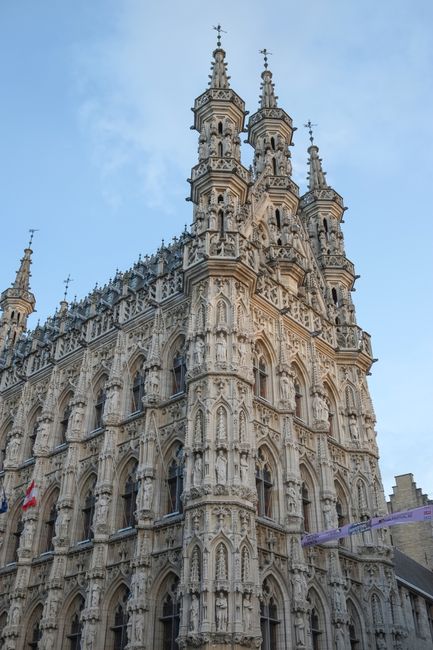
Leuven
Leuven combines one of Europe's most beautiful university town atmospheres, home to one of the world's oldest universities, with a vibrant beer culture anchored by significant brewing heritage in the surrounding area. The town's ornate Gothic town hall ranks among Belgium's most architecturally striking civic buildings. Best for travelers seeking university town energy alongside genuine Belgian brewing heritage.
Unique Experiences in Belgium
Canal Boat Tour Through Bruges
Glide through Bruges' UNESCO-listed medieval canals by boat, viewing the city's historic guild houses and Gothic architecture from a uniquely intimate water-level perspective rarely matched by walking tours alone.
Trappist Brewery Tour and Tasting
Visit one of Belgium's authentic Trappist monastery breweries, learning about centuries-old monastic brewing tradition before tasting beers brewed according to strict traditional standards within an active religious community.
Chocolate-Making Workshop in Brussels
Learn the techniques behind Belgian pralines and tempered chocolate from a professional chocolatier, crafting your own chocolates to take home in a hands-on workshop setting.
Climbing Bruges' Belfry Tower
Climb the 366 steps of Bruges' medieval belfry tower, part of Belgium's UNESCO-listed belfries, for sweeping panoramic views over the city's red-tiled rooftops and surrounding countryside.
World War I Battlefield Tour Around Ypres
Tour the preserved trenches, cemeteries, and memorials around Ypres, gaining firsthand insight into the devastating Western Front battles that defined this region's role in World War I.
Exploring the New Kanal-Centre Pompidou in Brussels
Visit Brussels' newly opened Kanal-Centre Pompidou, a major 2026 cultural addition transforming a former industrial factory site into a cutting-edge contemporary art museum.
Travel Tips for Belgium
Validate Public Transport Tickets and Use Capped Fare Systems
Belgian cities' public transport, including Brussels' metro and tram network, operates with a daily fare cap system arou…
Try Regional Beer Specialties Rather Than Just Familiar Brands
With over 1,500 distinct Belgian beer varieties, venture beyond internationally familiar brands to try regional specialt…
Day-Trip Easily Between Belgium's Historic Cities
Belgium's compact size and excellent rail network make day trips between Brussels, Bruges, Ghent, and Antwerp genuinely …
Apply for Your ETIAS Authorization for Late 2026 Travel
Visa-exempt travelers, including from the US, UK, Canada, and Australia, will need an approved ETIAS travel authorizatio…
Pack for Rain Regardless of Season
Belgium's temperate maritime climate brings rainfall fairly evenly distributed throughout the year, meaning a sunny fore…
Book Trappist Brewery Visits Well in Advance
Authentic Trappist monastery breweries maintain limited visitor capacity specifically to preserve their primary religiou…
Must-Try Local Dishes

Belgian Frites
Belgian frites are double-fried for a distinctively crispy exterior while remaining fluffy within, traditionally cut thicker than typical American fries and served in a paper cone with a wide variety of sauces beyond simple ketchup, including the beloved andalouse and samurai varieties. Belgians widely claim the fried potato dish actually originated in Belgium rather than France, with dedicated frietkot (fry shop) stands serving as a genuine culinary institution found in virtually every town and city. The double-frying technique, using specific oil temperatures for each stage, remains a point of serious culinary pride among Belgian frites vendors.

Moules-Frites
Moules-frites pairs a generous pot of mussels, typically steamed simply with white wine, celery, and onion, alongside a side of Belgian frites, representing one of the country's most beloved and iconic restaurant dishes despite Belgium's relatively modest coastline. The dish's simplicity allows the quality of fresh mussels, often sourced from nearby Dutch or Belgian coastal waters, to take center stage, with regional variations adding cream, beer, or additional herbs to the steaming liquid. Brasseries throughout Belgium compete for reputations built specifically on their version of this deceptively simple dish.

Belgian Chocolate
Belgian chocolate's global reputation stems from a centuries-long tradition of craftsmanship, with the praline — a filled chocolate shell invented in Belgium in 1912 by chocolatier Jean Neuhaus — representing one of the country's most significant culinary contributions to world confectionery. Belgian chocolatiers maintain strict quality standards, often using superior cacao percentages and traditional tempering techniques passed down through generations of small, independent chocolate houses alongside larger internationally recognized brands. The country's per-capita chocolate consumption and shop density reflect chocolate's deeply embedded role in everyday Belgian life rather than purely a tourist commodity.
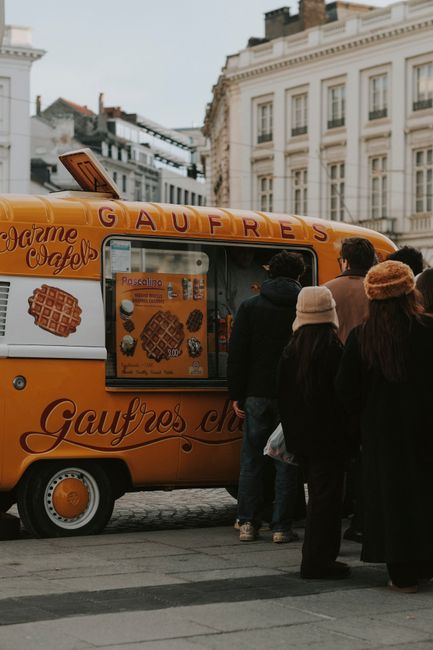
Waffles (Gaufres)
Belgium produces two distinct regional waffle styles — the rectangular, deep-pocketed Liège waffle made with a yeasted dough studded with pearl sugar that caramelizes during cooking, and the lighter, crispier Brussels waffle traditionally served with toppings rather than baked-in sweetness. Street vendors throughout Belgian cities sell both styles fresh and warm, often topped with whipped cream, chocolate sauce, or fresh fruit for tourists, while locals frequently prefer the Liège style eaten plain, walking, straight from the vendor. The distinct difference between these two regional waffle traditions surprises many international visitors expecting a single uniform 'Belgian waffle.'

Trappist Beer
Trappist beer, brewed by monks within active monasteries according to strict traditional standards overseen by the International Trappist Association, represents the most prestigious category within Belgium's UNESCO-recognized beer culture, with only a small number of authentic Trappist breweries worldwide, several located in Belgium itself. These beers, often higher in alcohol content and complexity than typical commercial lagers, reflect centuries of monastic brewing tradition originally developed partly as a safer alternative to often-contaminated medieval water supplies. Profits from genuine Trappist beer sales are required to support the monastery and charitable causes rather than pure commercial profit.

Carbonnade Flamande
Carbonnade flamande slow-braises beef in Belgian beer rather than wine, the malty, slightly sweet braising liquid combined with onions and traditionally a touch of brown sugar or speculoos cookie crumbs to deepen the sauce's richness, exemplifying Belgium's distinctive beer-forward approach to hearty regional cooking. The dish reflects Flanders' agricultural and brewing heritage, traditionally served alongside frites to soak up the rich gravy. Each region and family maintains particular preferences for which specific beer style works best, generally favoring darker, maltier Belgian brown ales or dubbels for the deepest flavor.
History
Roman Gaul and Frankish Foundations
The territory now comprising Belgium formed part of the Roman province of Gallia Belgica, named for the Belgae tribes Julius Caesar encountered during his 1st-century BC conquest of Gaul, leaving Roman roads and settlements that would influence later medieval urban development. Following Rome's decline, Frankish tribes established control, with the region becoming a core territory within Charlemagne's later Carolingian Empire.
Medieval Trading Power
By the medieval period, Flemish cities including Bruges, Ghent, and Antwerp had become among Europe's wealthiest urban centers, built on textile manufacturing and international trade connections stretching from England's wool to Mediterranean luxury goods.
- Bruges, in particular, became one of medieval Europe's most important financial and trading centers, with the world's first stock exchange-like institution emerging there in the 13th century.
- Flemish weavers and merchants built sophisticated guild systems that gave urban craftspeople significant political and economic influence unusual for medieval Europe.
- The region's distinctive belfry towers, built by these wealthy medieval towns as symbols of civic (rather than purely religious or royal) power, remain a UNESCO World Heritage Site today.
- This concentration of medieval trading wealth funded extraordinary Gothic architecture and the artistic patronage that would later produce the Flemish masters.
This medieval golden age of Flemish trading wealth established the urban architectural heritage and civic pride that still defines Belgium's historic cities today.
Climate & Best Time to Visit
Spring
5–15°C
Spring (April to May) brings gradually warming temperatures of 8-16°C, blooming countryside, and noticeably fewer crowds…
Summer
14–23°C
Summer (mid-May to mid-September) brings Belgium's mildest, most comfortable conditions, with Brussels averaging around …
Autumn
6–15°C
Autumn (September to November) brings cooling temperatures and increasing rainfall, though September itself often remain…
Winter
1–7°C
Winter (December to March) brings cold, gray, and frequently rainy conditions to most of Belgium, with the Ardennes hill…
Fascinating Fun Facts
Belgian Beer Culture Is Recognized as UNESCO World Heritage
Belgian beer culture earned UNESCO Intangible Cultural Heritage recognition, reflecting a brewing tradition that origina…
Belgium Was the First Continental European Country to Industrialize
Belgium's rapid industrialization following its 1830 independence made it the first fully industrialized nation on the E…
Belgium Has Three Official Languages
Belgium officially recognizes Dutch, French, and German as national languages, reflecting its position at the crossroads…
The Flemish Masters Pioneered Techniques That Changed European Painting
15th-century Flemish painter Jan van Eyck's pioneering use of layered oil paint glazing techniques achieved unprecedente…
Belgian Fries Predate French Fries — and the Name Is Disputed
Despite the international name 'French fries,' Belgians widely claim the dish actually originated in Belgium, with one p…
Brussels Hosts Both EU and NATO Headquarters
Brussels serves as the de facto capital of the European Union, hosting the European Commission, European Council, and Eu…
Traveler Reviews (0 reviews)
Sign in to leave a review and share your experience.
Sign InNo reviews yet. Be the first to share your experience!