Australia
Updated June 20, 2026
Australia recorded 8 million international visitor trips in the year ending September 2025, with the tourism economy projected to reach $233 billion in total visitor expenditure by 2030, as New Zealand, China, the UK, and growing markets like India and Indonesia drive sustained growth. The country h…
Must-See Places in Australia

Sydney
Sydney anchors Australian tourism with its iconic Opera House and Harbour Bridge, surrounded by world-class beaches including Bondi, all within a single dynamic harbor city. The city remains a primary gateway for international visitors and consistently ranks among Australia's top destinations driving tourism growth into 2026. Ideal for first-time visitors wanting Australia's most iconic skyline and beach culture combined.

Great Barrier Reef
The Great Barrier Reef, the world's largest living structure and a UNESCO World Heritage Site, offers some of the planet's finest diving and snorkeling, with Cairns and Port Douglas serving as primary gateways to this extraordinary marine ecosystem. The reef faces genuine environmental challenges, making timely visits increasingly significant. Best for divers, snorkelers, and nature lovers seeking a world-class marine experience.

Uluru-Kata Tjuta National Park
Uluru, a UNESCO World Heritage Site sacred to the local Anangu people, rises dramatically from Australia's red desert center, its color shifting throughout the day in one of the country's most spiritually and visually significant landscapes. Visitor climbing was banned in 2019 to respect the site's sacred status, with the Anangu now co-managing tourism access. Ideal for travelers seeking Australia's deepest Indigenous cultural and spiritual significance alongside dramatic desert scenery.

Melbourne
Melbourne anchors Australia's cultural and culinary identity with renowned street art, a deeply embedded specialty coffee culture, and significant arts and music festivals throughout the year. The city's laneway cafés and diverse immigrant-influenced food scene reflect Australia's broader multicultural transformation. Best for foodies, art lovers, and travelers seeking Australia's most culturally dynamic city.

Kakadu National Park
Kakadu National Park, a UNESCO World Heritage Site in the Northern Territory, protects dramatic escarpments and ancient Aboriginal rock art alongside abundant wildlife, increasingly drawing eco-tourism interest as a 2026 standout destination. The park's dual cultural and natural UNESCO status reflects both its ecological significance and deep ongoing Indigenous connection. Ideal for travelers seeking immersive Indigenous-led cultural and wilderness experiences.

Tasmania
Tasmania, Australia's island state, offers dramatic wilderness hiking, distinctive wildlife, and a growing reputation for premium food and wine, increasingly favored by solo travelers in their 40s through 70s seeking immersive nature experiences. The island's relative isolation has preserved unique ecosystems and a notably slower pace than mainland cities. Best for hikers and solo travelers seeking wilderness immersion away from Australia's busier mainland circuit.
Unique Experiences in Australia
Diving or Snorkeling the Great Barrier Reef
Dive or snorkel among the Great Barrier Reef's coral systems, encountering sea turtles, reef sharks, and an extraordinary diversity of marine life on one of the world's most significant natural wonders.
Sunrise or Sunset Viewing at Uluru
Watch Uluru's surface transform through shifting colors at sunrise or sunset, observing the monolith from designated viewing areas that respect its sacred significance to the local Anangu people.
Wine Tasting in the Barossa Valley or McLaren Vale
Tour South Australia's renowned wine regions, tasting world-class Shiraz and other varietals at family-run wineries that have shaped Australia's significant global wine reputation.
Multi-Day Hiking in Tasmania's Wilderness
Trek through Tasmania's dramatic wilderness on multi-day hikes like the Overland Track, traversing ancient rainforest and alpine terrain through one of Australia's most pristine and remote natural landscapes.
Cultural Tour With Indigenous Guides in Kakadu
Join an Indigenous-led tour through Kakadu National Park, learning about ancient rock art sites and traditional land management practices directly from Aboriginal guides with generational connection to the land.
Coffee and Laneway Culture Tour in Melbourne
Explore Melbourne's hidden laneways, discovering street art and specialty coffee shops that have built the city's reputation as Australia's coffee and creative capital.
Travel Tips for Australia
Apply for Your ETA or Appropriate Visa Before Booking Flights
Most eligible travelers should apply for the Electronic Travel Authority (ETA), costing AUD 20 and typically approved in…
Plan for Australia's Vast Distances and Significant Travel Time
Australia's continental scale means inter-city flights, rather than road trips, are often the most practical way to cove…
Take Sun Protection Seriously
Australia has one of the highest skin cancer rates in the world due to intense UV exposure, even on overcast days, makin…
Respect Indigenous Cultural Protocols at Sacred Sites
Sites like Uluru carry deep ongoing spiritual significance for Indigenous Australians, and visitor climbing was banned i…
Be Aware of Wildlife Safety Basics
Australia's distinctive wildlife, including venomous snakes, spiders, and marine stingers in northern waters during cert…
Book Great Barrier Reef Trips and Tasmania Treks Well in Advance
Popular Great Barrier Reef dive trips and Tasmania's multi-day guided treks can book out months ahead during peak season…
Must-Try Local Dishes

Meat Pie
The Australian meat pie, a hand-held pastry filled with minced meat and gravy, traces its origins to British colonial-era meat pie traditions, adapted and embraced so thoroughly that it's now considered a defining Australian comfort food, sold from corner bakeries, sporting event concession stands, and supermarkets alike. The pie's casual, eaten-with-tomato-sauce-on-top format reflects Australia's broadly informal food culture, a deliberate contrast to more refined European pastry traditions. Regional and bakery-specific variations in pastry thickness and filling spark genuine, good-natured debate over the 'best' version nationwide.

Vegemite on Toast
Vegemite, a thick, intensely savory dark brown spread made from leftover brewer's yeast extract, has been a polarizing but deeply embedded Australian breakfast staple since its 1923 invention, traditionally spread thinly on buttered toast given its concentrated, salty flavor. The product's distinctive taste, often described as an acquired one for first-time international visitors, has nonetheless become a genuine point of Australian cultural identity and humor, frequently referenced in popular culture and tourism marketing. Australians typically apply it far more sparingly than newcomers initially expect, a common source of well-meaning advice for visitors trying it for the first time.
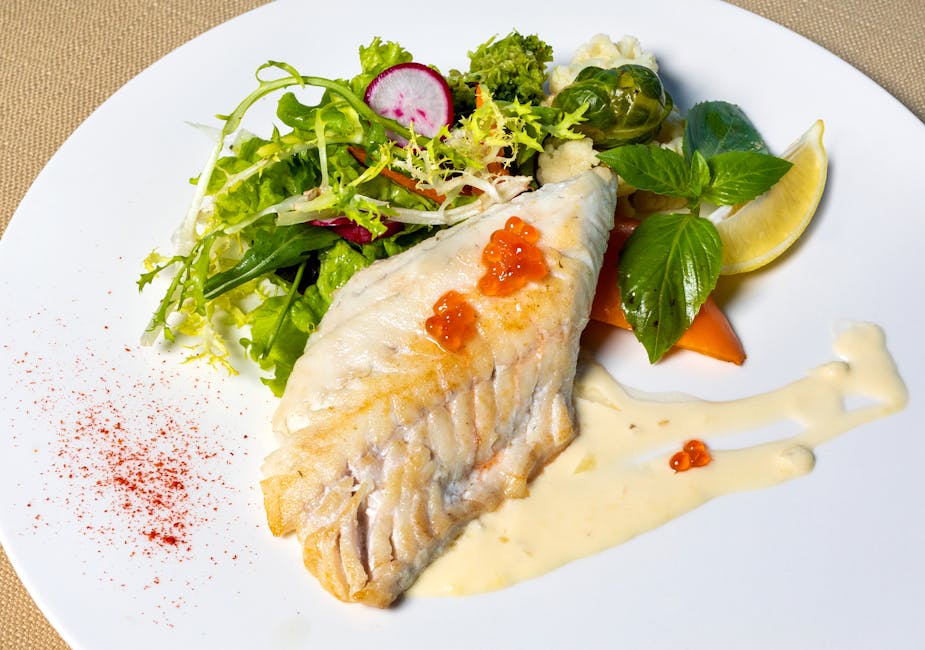
Barramundi
Barramundi, a prized Australian native fish with firm, mild white flesh, is typically grilled or pan-seared whole or as fillets, reflecting Australia's strong contemporary seafood culture built around its extensive coastline and abundant marine resources. The fish's name derives from an Aboriginal word meaning 'large-scaled river fish,' reflecting its significance in Indigenous food traditions long before its adoption into broader contemporary Australian cuisine. Found on restaurant menus from casual seaside cafés to upscale dining throughout the country, it remains one of Australia's most distinctly native culinary signatures.

Lamington
The lamington layers a square of sponge cake in chocolate icing before rolling it in desiccated coconut, a beloved Australian teatime treat believed to have originated in Queensland in the early 20th century, possibly named after a former colonial governor. The cake's simple but distinctive coating technique has made it a staple of Australian school fundraisers and community bake sales, with 'Lamington Drives' remaining a recognized charitable fundraising tradition in some communities. Variations occasionally add a jam or cream filling between cake layers, though the classic plain sponge version remains most traditional.
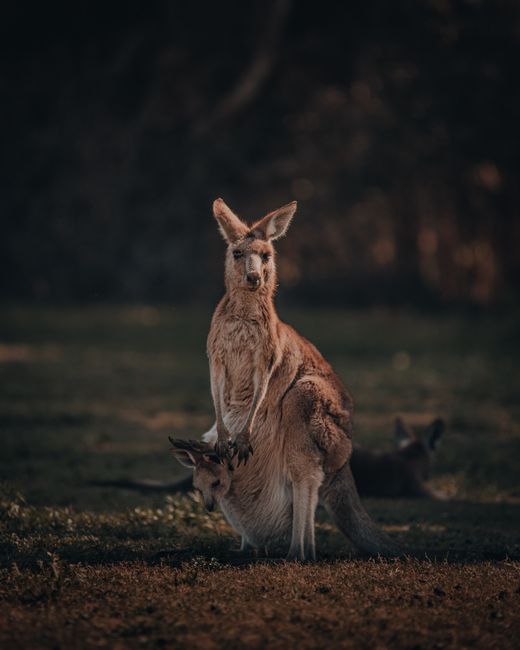
Bush Tucker
Bush tucker encompasses the over 6,000 known native food sources developed by Indigenous Australians over tens of thousands of years, including ingredients like kangaroo meat, wattleseed, finger lime, and bunya nuts, increasingly incorporated into contemporary Australian fine dining as a celebration of the country's unique native flora and fauna. Restaurants showcasing modern Australian cuisine increasingly partner directly with Indigenous communities and foragers to source these ingredients authentically and respectfully. This growing culinary movement reflects broader efforts to recognize and incorporate Indigenous knowledge and culture into mainstream Australian identity.

Flat White Coffee
The flat white, a espresso-based coffee drink topped with a thin layer of microfoam milk, was popularized in Australian and New Zealand café culture before spreading internationally, reflecting the serious, specialty-focused coffee culture that has become a genuine point of national pride, particularly in Melbourne, often considered Australia's coffee capital. The drink's specific milk-to-espresso ratio and foam texture distinguish it from a latte or cappuccino, with baristas in Australian cities taking considerable pride in precise technique. Australian café culture more broadly emphasizes specialty, small-batch roasting and skilled barista craft well beyond simple caffeine delivery.
History
Indigenous Australia: 65,000 Years of Continuous Culture
Indigenous Australians have occupied the continent for an estimated 65,000 years, representing one of the longest continuous cultures in human history, developing sophisticated knowledge systems, art traditions, and land management practices including controlled burning techniques that shaped Australian ecosystems for tens of thousands of years before European contact.
Diverse Nations and Deep Knowledge
Prior to European colonization, hundreds of distinct Aboriginal and Torres Strait Islander nations spoke over 250 distinct languages, each maintaining deep spiritual and practical connections to specific territories through complex oral storytelling traditions known as the Dreaming.
- Indigenous Australians developed extensive bush tucker food traditions, drawing on over 6,000 known native plant and animal food sources adapted to the continent's varied and often harsh environments.
- Uluru and the surrounding region hold deep spiritual significance for the local Anangu people, with the monolith's surface marked by features tied to specific Dreaming stories passed down across countless generations.
- Rock art sites across Australia, some dating back tens of thousands of years, represent some of the oldest continuous artistic traditions anywhere in the world.
- This extraordinarily long, continuous occupation makes Indigenous Australian culture among the oldest living cultures on Earth, predating most other documented human civilizations by tens of thousands of years.
This deep Indigenous heritage, increasingly recognized and incorporated into Australian tourism and cultural identity, represents a foundational layer of Australian history that vastly predates the country's better-known colonial chapter.
Climate & Best Time to Visit
Summer (Southern Australia)
16–28°C
December to February brings Australia's hottest weather to the southern states, with Sydney and Melbourne ranging 18–28°…
Dry Season (Northern Australia)
18–32°C
June to October brings the dry season to tropical northern Australia, including Darwin, Kakadu National Park, and Cairns…
Shoulder Seasons (Autumn and Spring)
12–24°C
March to May and September to November offer Australia's most balanced conditions in the southern and temperate regions,…
Winter (Southern Australia)
6–17°C
June to August brings Australia's coolest weather to the south, with Melbourne and Tasmania notably cooler and occasiona…
Fascinating Fun Facts
Indigenous Australians Represent One of the Oldest Continuous Cultures on Earth
Indigenous Australians have occupied the continent for an estimated 65,000 years, making their culture one of the longes…
The Great Barrier Reef Is the World's Largest Living Structure
The Great Barrier Reef, stretching over 2,300 km along Australia's northeastern coast, is the largest living structure o…
Australia Was Built Partly by Convict Transportation
Britain transported an estimated 162,000 convicts to Australian penal colonies between 1788 and 1868, a population whose…
Australia's 1901 Federation Happened Without Armed Conflict
Unlike many nations whose path to unified statehood involved revolution or civil war, Australia's six separate British c…
Australia Didn't Fully Recognize Indigenous Citizenship Until 1967
Indigenous Australians were not granted full constitutional recognition as citizens with equal standing until a landmark…
Uluru Changes Color Throughout the Day
Uluru, the massive sandstone monolith sacred to the local Anangu people, appears to change color dramatically throughout…
Traveler Reviews (0 reviews)
Sign in to leave a review and share your experience.
Sign InNo reviews yet. Be the first to share your experience!