Estonia
Updated June 20, 2026
Estonia's accommodation establishments served roughly 3.7 million tourists in 2025, a 2% increase from 2024 though still 3% below the pre-pandemic 2019 level, with the country recording 2.45 million international visitors and notably maintaining 1.8 travelers per inhabitant, an exceptionally high ra…
Must-See Places in Estonia
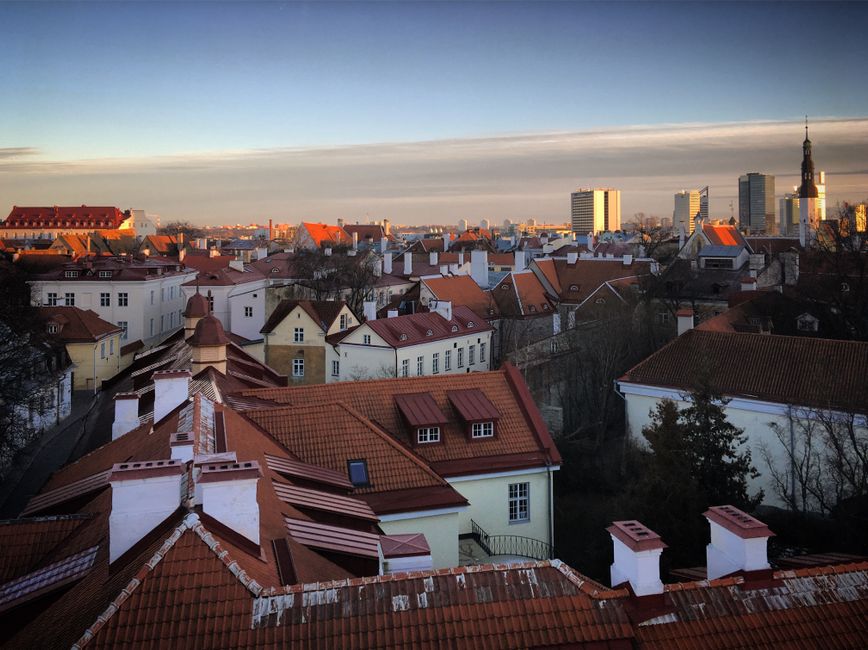
Tallinn
Tallinn, Estonia's capital, showcases one of Europe's best-preserved medieval town centers within its UNESCO-listed Old Town, combined with the striking Estonian National Museum housed in a glass building on a former Soviet airbase, reflecting the country's complex layered history. The city's blend of medieval architecture and digital innovation distinguishes its contemporary appeal. Best for travelers seeking unmatched medieval preservation alongside Estonia's growing reputation for cutting-edge digital governance and culture.

Saaremaa
Saaremaa, Estonia's largest island, captivates visitors with historic wooden windmills, meteorite craters, and Kuressaare Castle, built in 1260 and considered the best-preserved castle in the Baltics, alongside serene beaches and traditional mud bath wellness retreats. The island's distinctive blend of history, geology, and relaxation tourism sets it apart. Ideal for travelers seeking Estonia's most significant island heritage combined with wellness tourism and dramatic natural landscapes.
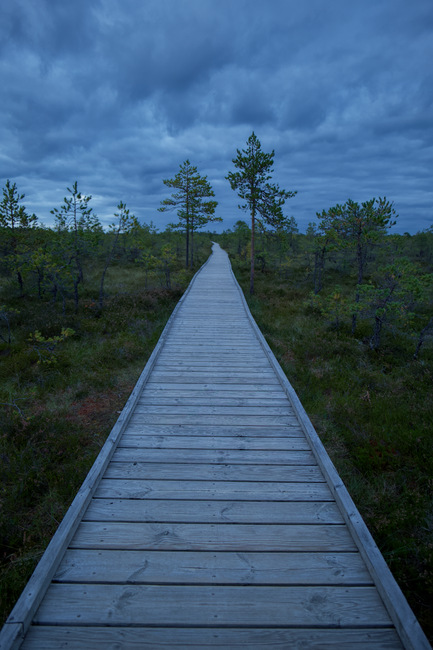
Lahemaa National Park
Lahemaa National Park, just outside Tallinn, combines rocky Baltic coastline, historic manor estates, and peaceful bog trails lined with wooden boardwalks, offering visitors accessible immersion into Estonia's distinctive natural and architectural heritage within easy reach of the capital. The park's varied landscape provides a compelling contrast to Tallinn's urban medieval attractions. Best for nature enthusiasts seeking Estonia's most significant protected coastal and bog landscape conveniently close to the capital.

Tartu
Tartu, Estonia's second city and home to the country's oldest and most prestigious university, offers a distinctly intellectual and youthful atmosphere alongside significant historical architecture reflecting the city's long academic heritage. The city's notably different character from Tallinn provides a meaningful contrast within a broader Estonia itinerary. Ideal for travelers seeking Estonia's intellectual and academic heritage alongside a vibrant, youthful contemporary atmosphere.
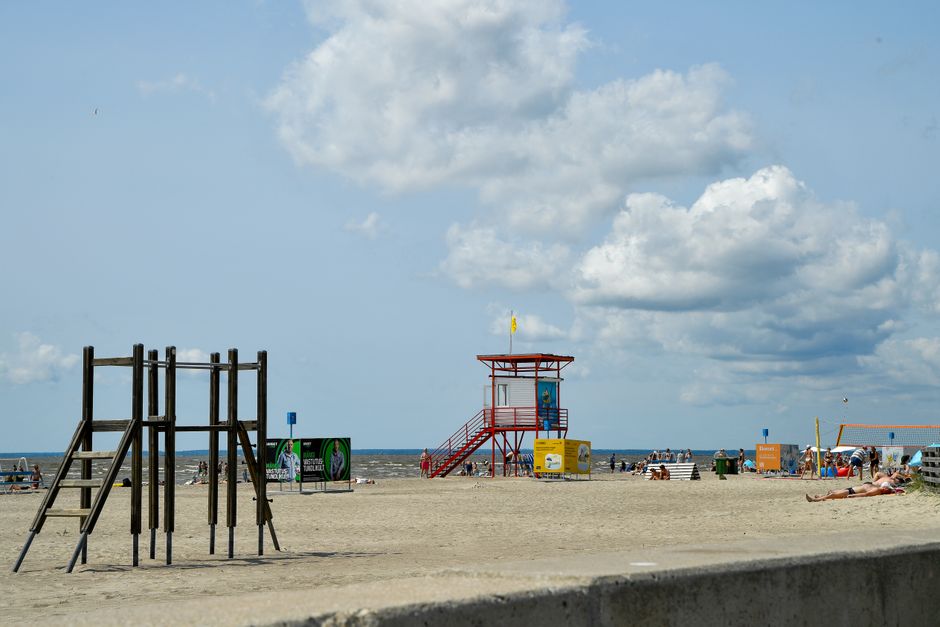
Pärnu
Pärnu, Estonia's resort city, offers significant beach relaxation along the Baltic coast alongside a charming historic center, making it the country's most established seaside holiday destination. The city's combination of beach culture and historic architecture distinguishes it among Estonia's coastal offerings. Best for travelers seeking Estonia's most developed beach resort experience alongside pleasant historic town atmosphere.
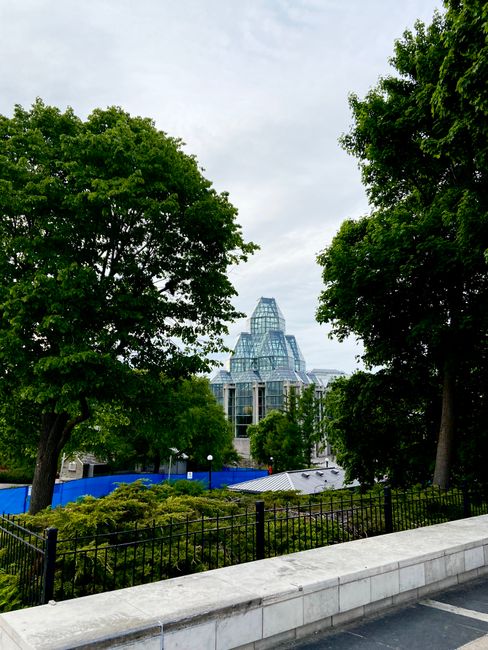
Estonian National Museum
The Estonian National Museum, housed in a striking modern glass building constructed on the site of a former Soviet airbase near Tartu, offers visitors comprehensive insight into Estonian history and the broader Finno-Ugric ethnographic heritage connecting the country to Finland and related peoples. The museum's architecturally significant building itself reflects Estonia's complex layered Soviet and post-independence history. Ideal for travelers seeking deeper understanding of Estonian and Finno-Ugric history and ethnography beyond standard sightseeing.
Unique Experiences in Estonia
Exploring Tallinn's Medieval Old Town
Walk through Tallinn's UNESCO-listed Old Town, exploring one of Europe's best-preserved medieval town centers, including significant Gothic architecture, city walls, and atmospheric cobblestone streets reflecting centuries of Hanseatic trading prosperity.
Visiting Kuressaare Castle on Saaremaa
Tour Kuressaare Castle, built in 1260 and considered the best-preserved castle in the Baltic region, exploring its well-maintained fortification architecture while learning about the island's distinctive history.
Traditional Mud Bath Treatment on Saaremaa
Experience a traditional Saaremaa mud bath treatment at one of the island's established wellness spas, a long-standing local therapeutic tradition believed to offer various health and relaxation benefits.
Hiking Lahemaa National Park's Bog Trails
Walk along Lahemaa National Park's wooden boardwalk trails through peaceful bog landscapes, combined with exploring the park's rocky coastline and historic manor estates just outside Tallinn.
River Rafting During Spring Snowmelt
Take advantage of Estonia's dramatic spring snowmelt, when rivers and lakes see significantly raised water levels, for an exciting rafting or rowing excursion through the country's waterways.
Visiting the Estonian National Museum
Tour the Estonian National Museum's striking glass building, exploring comprehensive exhibits on Estonian and Finno-Ugric history, ethnography, and the country's complex Soviet-era and post-independence development.
Travel Tips for Estonia
Confirm ETIAS Requirements Before Late 2026 Travel
Estonia, as a Schengen Area member, will require visa-exempt travelers from 59 countries to obtain ETIAS authorization s…
Plan Castle and Estate Touring for April-May Specifically
April and May offer Estonia's ideal window for visiting castles and historic estates, combining stable, settled weather …
Travel During January-March for Maximum Affordability
Estonia's low season from January through March offers significantly more affordable accommodation and travel options co…
Combine Tallinn's Urban Heritage With a Saaremaa Island Excursion
Many visitors focus exclusively on Tallinn's medieval Old Town, missing Saaremaa's distinctive island heritage, includin…
Pack for Estonia's Genuinely Unpredictable Weather Year-Round
Estonia's climate remains changeable in the extreme across nearly every season except the consistently dark, cold winter…
Try Mulgi Puder for an Authentic Taste of Recently Recognized Heritage
Mulgi puder, Estonia's traditional potato-barley mash recently inscribed on UNESCO's Intangible Cultural Heritage list i…
Must-Try Local Dishes
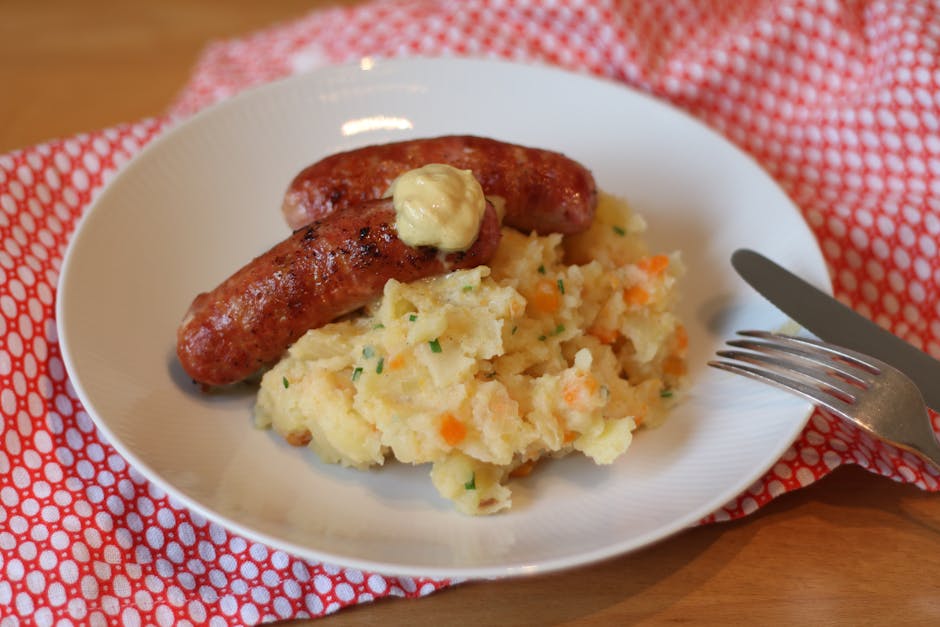
Mulgi Puder
Mulgi puder, a traditional potato-barley mash from southern Estonia's Mulgimaa region, earned UNESCO Intangible Cultural Heritage recognition in late 2024, reflecting deep agricultural traditions built around the region's historical reliance on these hearty staple grains and root vegetables. The dish's preparation, combining boiled potatoes and barley into a thick, satisfying porridge-like consistency, often incorporates pork fat or bacon for added richness, exemplifying Estonian cuisine's broader practical, substantial approach to comfort food. Mulgi puder remains particularly associated with the Mulgimaa region specifically, though its recent UNESCO recognition has driven growing interest in this traditional dish throughout the broader country.
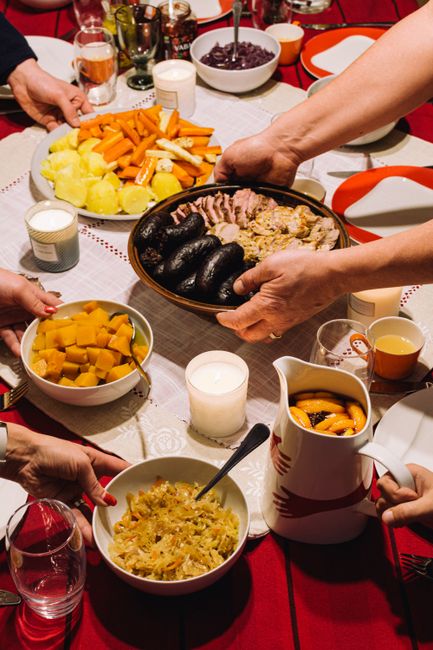
Verivorst
Verivorst, traditional blood sausage, anchors Estonian Christmas celebrations particularly, combining blood, barley, and pork fat into a distinctive sausage reflecting centuries-old preservation and full-animal-use culinary traditions developed in Estonia's historically resource-conscious rural communities. The sausage's preparation, requiring careful technique to achieve proper texture and seasoning balance, represents a significant traditional cooking skill particularly associated with the holiday season throughout the country. Verivorst remains deeply associated with Estonian Christmas tradition specifically, typically served alongside sauerkraut and potatoes as part of the broader holiday meal.

Kama
Kama, a distinctive Estonian flour mixture made from roasted barley, rye, oat, and pea flour, traditionally combines with buttermilk or kefir to create a uniquely flavored, nutty-tasting dessert or snack found nowhere else in quite the same form. The mixture's preparation, requiring careful roasting and grinding of the constituent grains, represents a distinctive traditional food processing technique passed down through generations of Estonian households. Kama remains a genuinely unique Estonian culinary specialty, increasingly marketed as a distinctive local product to curious visitors seeking authentic regional food traditions beyond more familiar Baltic cuisine offerings.
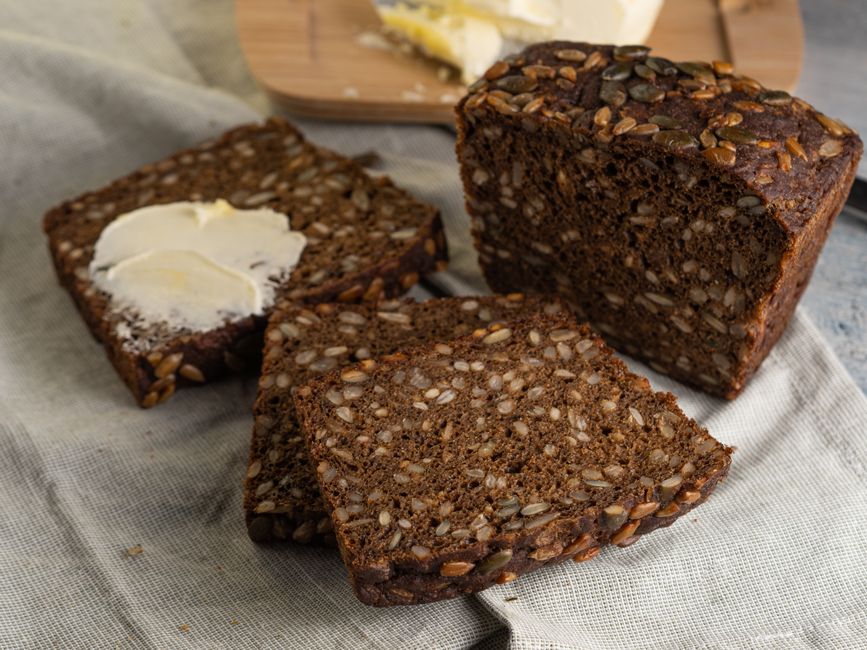
Estonian Black Bread
Estonian black bread, a dense, dark rye bread, anchors the country's everyday diet, its distinctively sour, hearty flavor and substantial texture reflecting centuries of reliance on rye as one of the most reliably grown grains in Estonia's challenging northern climate. The bread's slow fermentation process, often using a traditional sourdough starter passed down through generations, produces its characteristic tangy flavor profile considered essential to authentic Estonian cuisine. Estonian black bread remains deeply embedded in food culture, served alongside virtually every meal and considered an essential, almost sacred staple regardless of modern dietary trends.
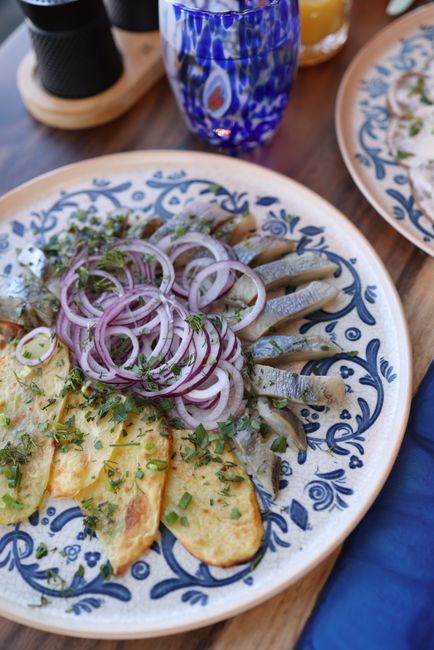
Baltic Herring
Baltic herring, prepared in numerous traditional preparations including pickled, smoked, and fried versions, reflects Estonia's deep coastal fishing heritage and centuries-old reliance on this abundant Baltic Sea fish as a foundational protein source. The fish's preparation, requiring careful technique depending on the specific style chosen, represents an essential traditional culinary skill particularly significant in coastal communities and island regions like Saaremaa. Baltic herring remains widely available throughout Estonia, particularly prized in coastal regions where fresh catch and traditional preparation techniques continue largely unchanged by modern industrial methods.
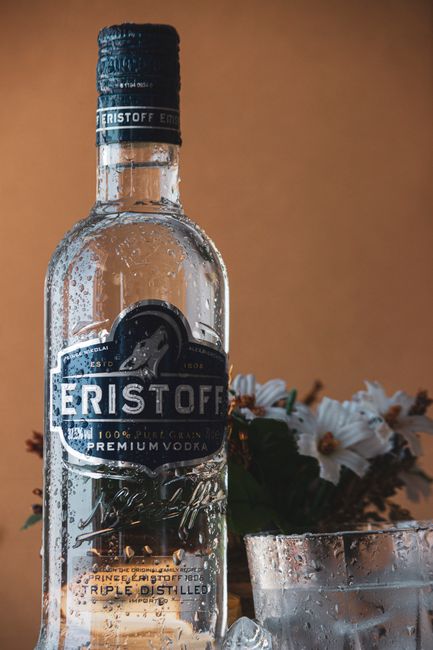
Estonian Vodka
Estonian vodka, distilled using traditional methods refined over generations, has built a respected reputation within the broader Baltic and Nordic spirits landscape, with certain producers earning international recognition for quality and distinctive flavor profiles. The spirit's production reflects Estonia's broader agricultural heritage, utilizing locally grown grains processed through carefully maintained traditional distilling techniques. Estonian vodka remains a significant feature of social gatherings and celebrations throughout the country, with quality and brand preferences generating considerable discussion among knowledgeable Estonian spirits enthusiasts.
History
Ancient Finno-Ugric Settlement
Estonia's earliest inhabitants belonged to the Finno-Ugric linguistic and ethnic family, establishing distinctive cultural and linguistic traditions that connect modern Estonians to Finnish and broader Uralic peoples, developing agricultural and fishing communities throughout the region for thousands of years before subsequent German and Scandinavian colonization.
Pre-Christian Estonian Culture
Ancient Estonian tribal communities developed distinctive pagan religious traditions and folk customs, including significant song traditions among groups like the Seto people, that have remarkably persisted into contemporary cultural practice despite subsequent centuries of foreign Christian missionary and colonial influence.
- Estonia's Finno-Ugric linguistic heritage distinguishes the country significantly from its Baltic neighbors Latvia and Lithuania, whose languages belong to the entirely separate Baltic language family.
- The Seto people's distinctive polyphonic singing traditions, recognized by UNESCO as Intangible Cultural Heritage, exemplify the remarkable persistence of ancient Finno-Ugric cultural practices into the present day.
- Pre-Christian Estonian religious and cultural practices established foundational folk traditions that would continue influencing Estonian identity even as subsequent German crusading orders introduced Christianity by force.
- This ancient Finno-Ugric settlement period established Estonia's foundational ethnic and linguistic identity that would persist, in adapted forms, through subsequent centuries of German, Danish, Swedish, and Russian foreign control.
This ancient Finno-Ugric tribal heritage, maintaining distinctive folk and linguistic traditions for thousands of years before foreign conquest, established Estonia's foundational ethnic identity that connects the country to broader Uralic cultural heritage distinct from its Baltic neighbors.
Climate & Best Time to Visit
Spring (April-May)
2–13°C
April and May bring Estonia's first stable warm weather, with temperatures rising to 7-8°C and significant snowmelt rais…
Summer (June-August)
14–23°C
June through August brings Estonia's warmest temperatures, with late July typically the hottest period averaging around …
Autumn (September-October)
4–14°C
September and October bring rapidly cooling temperatures from mid-September onward, alongside what many consider Estonia…
Winter (November-March)
-9–-1°C
November through March brings Estonia's relatively mild but consistently snowy winters, with daytime temperatures genera…
Fascinating Fun Facts
Estonia's Language Belongs to an Entirely Different Family Than Its Baltic Neighbors
Estonia's Finno-Ugric language connects the country linguistically to Finland and broader Uralic peoples, distinguishing…
Estonia Has 1.8 Tourists Per Inhabitant, an Exceptionally High Ratio
Estonia recorded an extraordinary 1.8 travelers per inhabitant, placing the country very far ahead in global comparison …
The 'Singing Revolution' Helped Estonia Peacefully Regain Independence
Estonia's path to renewed independence in 1991 included the remarkable 'Singing Revolution' of the late 1980s, when mass…
Kuressaare Castle Is the Best-Preserved Castle in the Baltics
Kuressaare Castle on Saaremaa island, built in 1260, stands as the best-preserved castle anywhere in the Baltic region, …
Estonia Recently Added a Traditional Potato Dish to UNESCO's Heritage List
Mulgi puder, a traditional potato-barley mash from southern Estonia's Mulgimaa region, was inscribed on UNESCO's Intangi…
Saaremaa Was Created by a Meteorite Impact
Saaremaa, Estonia's largest island, features dramatic meteorite craters alongside its historic windmills and castle, ref…
Traveler Reviews (0 reviews)
Sign in to leave a review and share your experience.
Sign InNo reviews yet. Be the first to share your experience!