Egypt
Updated June 20, 2026
Egypt welcomed nearly 19 million international visitors in 2025, a 20.5% jump, with forecasts pointing toward 18.56 million arrivals continuing into 2026 — momentum driven substantially by the November 2025 opening of the Grand Egyptian Museum near Giza, showcasing 7,000 years of history including t…
Must-See Places in Egypt
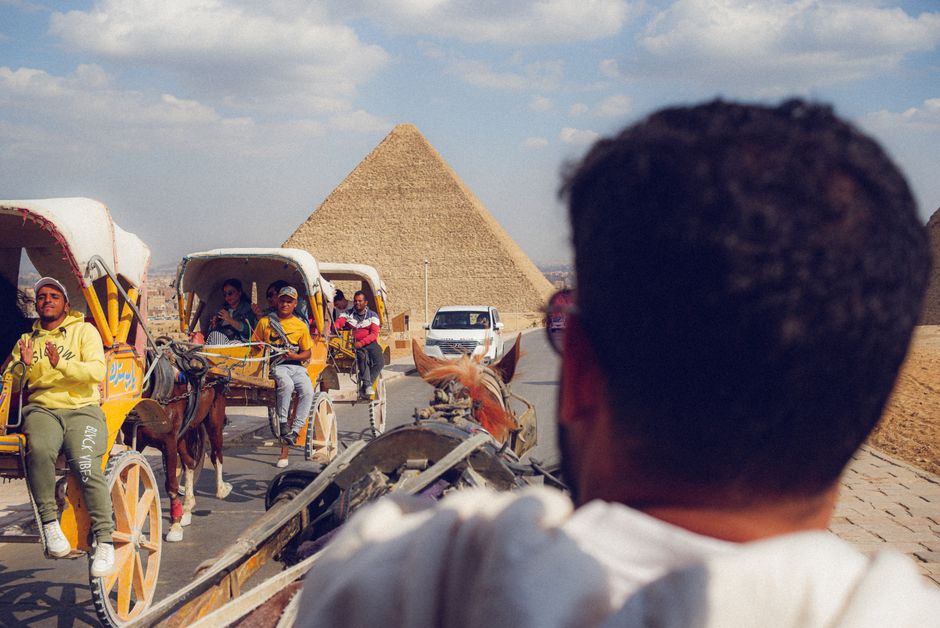
Cairo and Giza
Cairo and neighboring Giza anchor Egypt's ancient and Islamic heritage, home to the Great Pyramid, the Sphinx, and the newly opened Grand Egyptian Museum, displaying the complete Tutankhamun collection together for the first time. Historic Cairo's medieval mosques and markets add a distinct Islamic-era layer to the ancient monuments nearby. Ideal for first-time visitors wanting Egypt's most iconic and historically dense sites in one area.

Luxor
Luxor, often called the world's greatest open-air museum, houses the Valley of the Kings' royal tombs, the massive Karnak Temple complex, and the Temple of Luxor, representing the heart of ancient Egypt's New Kingdom religious and political power. Hot air balloon rides over the Nile and surrounding temples offer a uniquely sweeping perspective on the area's monument density. Best for history enthusiasts wanting deep immersion in ancient Egyptian religious and funerary architecture.

Aswan
Aswan combines stunning Nile River scenery with Nubian culture and the relocated Philae Temple, saved from flooding by a UNESCO-coordinated rescue effort during the construction of the Aswan High Dam. The city's relaxed pace and colorful Nubian villages offer a markedly different atmosphere from busier Luxor and Cairo. Ideal for travelers seeking a quieter, more scenic Nile experience alongside significant ancient and Nubian cultural heritage.
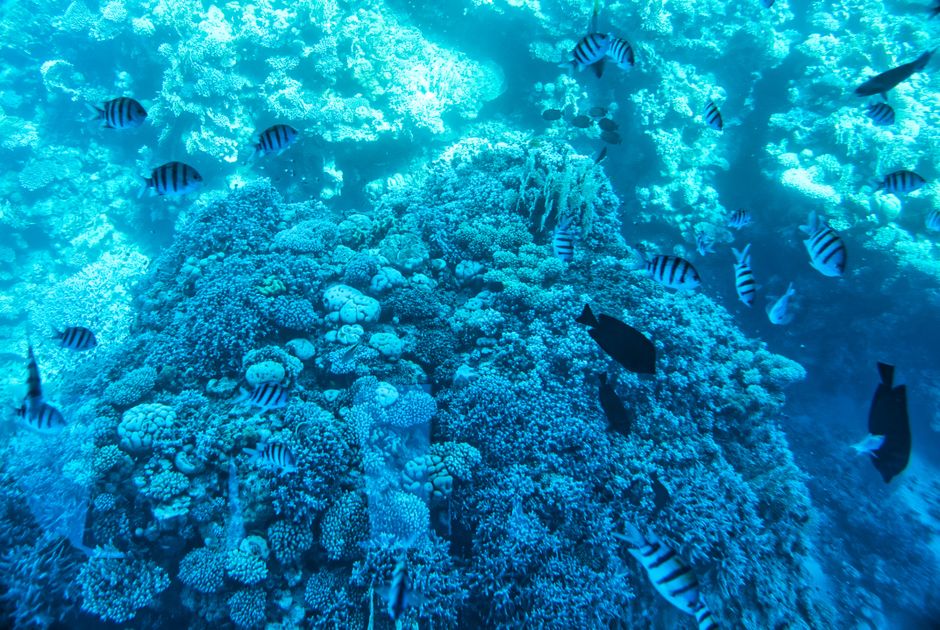
Sharm El Sheikh and the Red Sea
Sharm El Sheikh and Hurghada anchor Egypt's Red Sea resort coast, offering some of the world's most accessible world-class diving and snorkeling among pristine coral reefs, alongside reliably warm water and sunny weather even during Egypt's inland winter season. The contrast between this resort-focused coast and the ancient monument sites inland gives Egypt unusual range for a single country. Best for divers and beach travelers seeking warm-water relaxation alongside Egypt's historical sites.
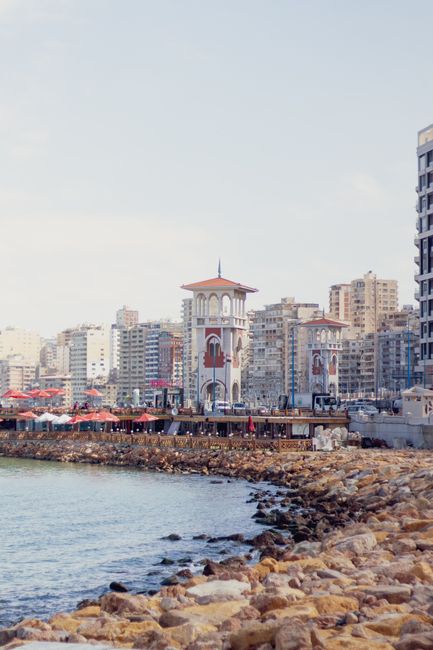
Alexandria
Alexandria, founded by Alexander the Great in 331 BC, preserves Greco-Roman heritage alongside a distinctly Mediterranean atmosphere and climate, markedly different from Cairo's desert intensity. The modern Bibliotheca Alexandrina pays homage to the city's legendary ancient library, once the greatest center of scholarship in the ancient world. Ideal for travelers seeking a cooler, coastal alternative with deep classical-era history.
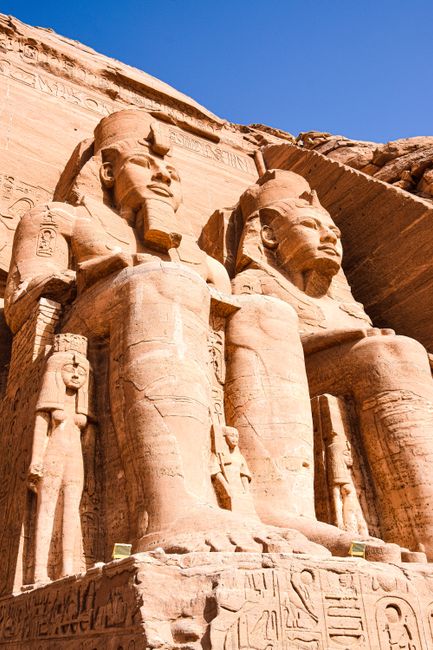
Abu Simbel
Abu Simbel's massive rock-cut temples, built by Pharaoh Ramesses II around 1264 BC, feature four colossal seated statues of the pharaoh each standing roughly 20 meters tall, famously relocated in their entirety during the 1960s to avoid flooding from the Aswan High Dam. The temple's precise solar alignment causes sunlight to illuminate the inner sanctuary's statues twice yearly, a deliberate ancient astronomical achievement. Best for history enthusiasts willing to make the journey deep into southern Egypt for one of the ancient world's most awe-inspiring engineering feats.
Unique Experiences in Egypt
Hot Air Balloon Flight Over Luxor's Temples
Drift silently above Luxor's Valley of the Kings and the Nile River at sunrise in a hot air balloon, taking in the temple complexes and surrounding desert landscape from a perspective impossible to fully appreciate at ground level.
Multi-Day Nile Cruise Between Luxor and Aswan
Cruise the Nile River aboard a traditional dahabiya sailboat or larger cruise vessel between Luxor and Aswan, stopping at temple sites including Edfu and Kom Ombo along the way, experiencing the river much as ancient Egyptians and later travelers have for millennia.
Diving the Red Sea's Coral Reefs at Sharm El Sheikh
Dive Sharm El Sheikh's renowned Red Sea reefs, including the Ras Mohammed National Park, among the most biodiverse and accessible coral reef systems in the world, with consistently warm water and excellent visibility.
Exploring the Grand Egyptian Museum's Tutankhamun Galleries
Explore the newly opened Grand Egyptian Museum's full Tutankhamun collection, displayed together for the first time since its 1922 discovery, alongside 7,000 years of broader Egyptian artifacts in one of the world's most significant new museum openings.
Camel Trek to the Giza Pyramids at Sunset
Ride a camel across the desert plateau surrounding the Great Pyramid of Giza and the Sphinx as the sun sets, a classic and atmospheric way to experience the monuments away from the busiest daytime crowds.
Visiting Abu Simbel for the Sun Festival
Witness the precise solar alignment at Abu Simbel's rock-cut temples, when sunlight penetrates deep into the inner sanctuary to illuminate the seated statues, an astronomical phenomenon engineered by ancient builders roughly 3,300 years ago.
Travel Tips for Egypt
Apply for Your eVisa Online Before Departure
Most tourists need either a $25 single-entry eVisa or visa on arrival, with the eVisa recommended for its more predictab…
Negotiate Prices at Markets and With Unofficial Guides
Bargaining is expected and normal at markets (souks) and with informal guides, camel handlers, and souvenir vendors near…
Drink Only Bottled or Filtered Water Throughout Your Trip
Tap water in Egypt is not considered safe for travelers, and this caution extends to ice in smaller, non-tourist-oriente…
Plan Inland Sightseeing Around Cooler Hours, Especially in Summer
Luxor and Aswan's summer temperatures regularly exceed 40–45°C, making midday outdoor monument visits genuinely dangerou…
Dress Modestly Outside Resort Areas
While Red Sea resort areas allow fairly relaxed Western dress, modest clothing covering shoulders and knees is expected …
Book the Grand Egyptian Museum and Abu Simbel Sun Festival Dates Well Ahead
The newly opened Grand Egyptian Museum is experiencing exceptionally high demand following its 2025 opening, and Abu Sim…
Must-Try Local Dishes
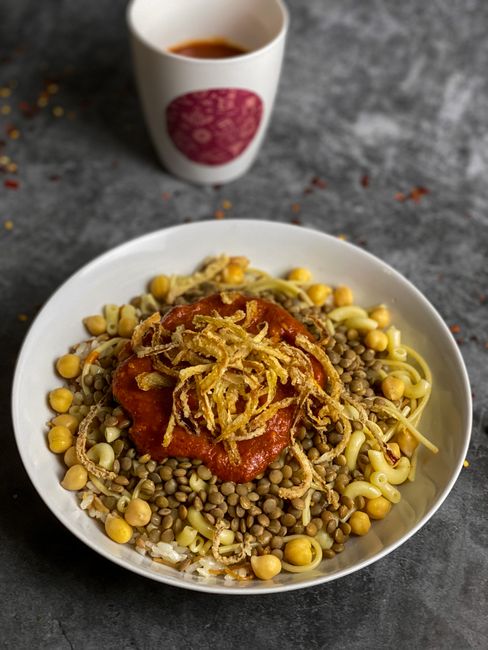
Koshary
Koshary, Egypt's beloved national street food, layers rice, lentils, macaroni, and chickpeas beneath a tangy, spiced tomato sauce, finished with crispy fried onions and a drizzle of garlic-vinegar sauce, all served from bustling street stalls and dedicated koshary shops nationwide. The dish reflects centuries of culinary cross-pollination, blending Mediterranean, Middle Eastern, and even South Asian influences into something distinctly Egyptian. UNESCO recognized koshary as Intangible Cultural Heritage in December 2025, honoring both the dish and its central role in everyday Egyptian social life.

Ful Medames
Ful medames, slow-cooked fava beans mashed with garlic, lemon, and olive oil, traces its origins back thousands of years and remains a beloved Egyptian breakfast staple, often topped with chopped tomatoes, parsley, and a soft-boiled egg. The dish's preparation, traditionally simmered overnight in a special narrow-necked pot called a 'idra,' reflects one of the longest continuously prepared dishes in human culinary history. It remains a fixture of daily Egyptian life, eaten by people across all social classes.
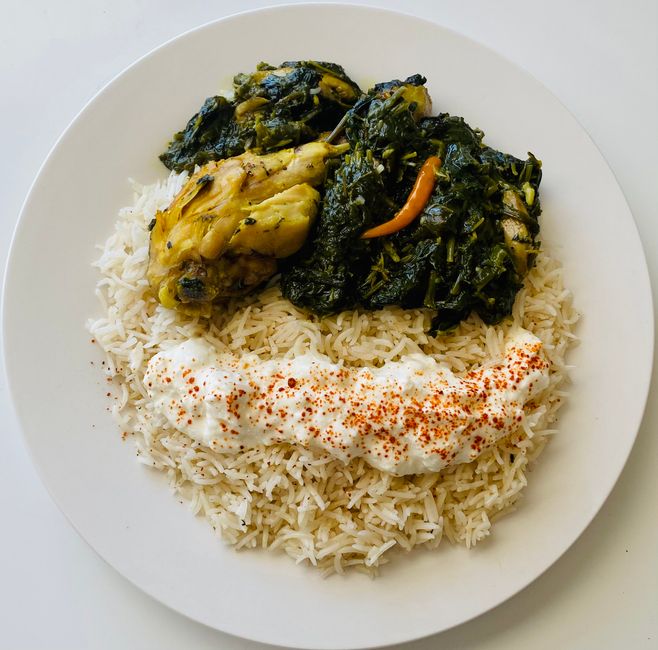
Molokhia
Molokhia transforms finely chopped jute mallow leaves into a deeply green, slightly mucilaginous soup, simmered with garlic and coriander and traditionally served over rice alongside chicken or rabbit. The dish's distinctive texture, an acquired taste for some first-time visitors, has remained a beloved Egyptian comfort food for centuries, with the leaf itself cultivated specifically for this culinary purpose. Family recipes vary in thickness and seasoning, sparking the kind of passionate debate common to many beloved national dishes.
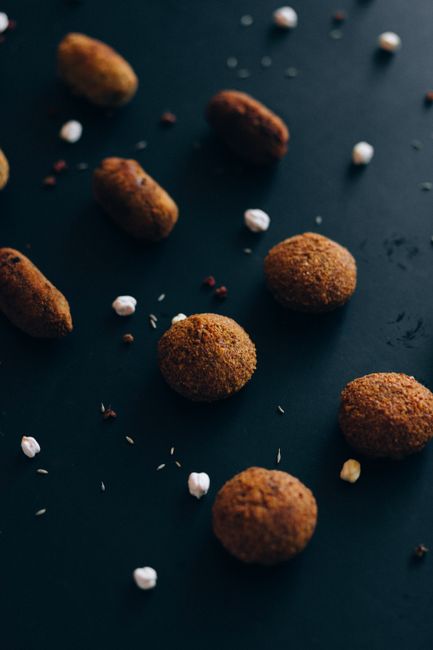
Ta'meya (Egyptian Falafel)
Ta'meya, Egypt's version of falafel, uses fava beans rather than the chickpeas common in Levantine versions, ground with herbs and spices into a vibrant green patty, deep-fried until crisp outside and tender within. Egyptian cooks consider ta'meya a distinct culinary tradition rather than simply a regional falafel variant, with the fava bean base producing a notably different texture and flavor profile. Street vendors across Cairo serve it fresh, often tucked into pita with tahini sauce and pickled vegetables.

Mahshi
Mahshi stuffs vegetables — typically grape leaves, zucchini, or cabbage — with a seasoned mixture of rice, herbs, and sometimes ground meat, slow-simmered until tender in a tomato-based broth. The labor-intensive rolling and stuffing process makes mahshi a dish typically reserved for family gatherings and special occasions, with multiple generations often working together in the kitchen to prepare large batches. Each Egyptian family tends to favor its own specific herb blend, passed down through generations of home cooking.
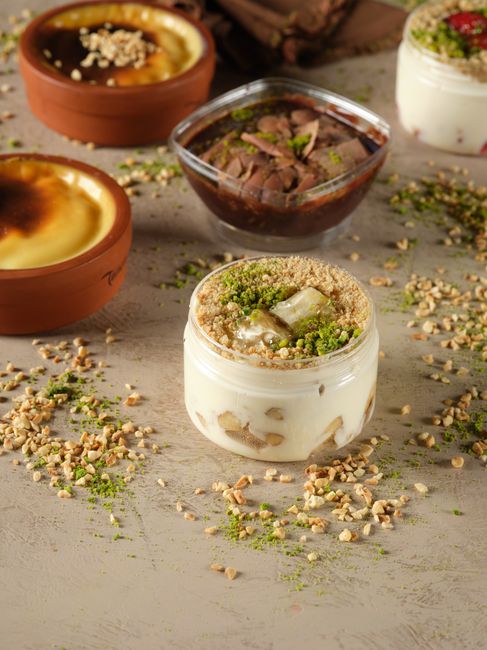
Umm Ali
Umm Ali layers crisp puff pastry or bread with milk, cream, and nuts, baked until golden and bubbling into a rich, custard-like dessert often compared to a Middle Eastern bread pudding. According to popular legend, the dish was named after a queen who reportedly celebrated a military victory by ordering its creation, though the exact historical origin remains debated. It remains a beloved dessert across Egyptian households and restaurants, particularly popular during Ramadan and festive occasions.
History
Ancient Egypt and the Pyramid Age
Egyptian civilization's recorded history stretches back to around 3100 BC, when King Narmer unified Upper and Lower Egypt into a single kingdom, beginning over 3,000 years of pharaonic rule that would produce some of humanity's most enduring monuments. The Old Kingdom's Fourth Dynasty, around 2560 BC, built the Great Pyramid of Giza for Pharaoh Khufu, a structure that remained the tallest man-made building on Earth for nearly 3,800 years.
Religion, Writing, and Monumental Architecture
Ancient Egyptian society organized around a complex religious cosmology centered on the pharaoh's divine status and the afterlife, developing hieroglyphic writing and sophisticated engineering techniques that built increasingly ambitious temple and tomb complexes over subsequent centuries.
- The Great Pyramid of Giza, built using an estimated 2.3 million stone blocks, remains the only surviving structure among the ancient world's Seven Wonders.
- Hieroglyphic writing, used for over 3,000 years, was only fully deciphered in the 1820s after the discovery of the Rosetta Stone provided a crucial translation key.
- The Valley of the Kings, used for royal burials from roughly 1550 to 1070 BC, contains over 60 known tombs, including the famously intact tomb of Tutankhamun discovered in 1922.
- Ancient Egyptian medicine, mathematics, and astronomy achieved sophistication that influenced Greek and later Western scientific traditions.
This extraordinarily long-lived civilization, spanning more dynasties and centuries than nearly any other in human history, left a monumental architectural and cultural legacy still actively studied and visited today.
Climate & Best Time to Visit
Winter (Peak Season)
10–24°C
October to April brings Egypt's most comfortable temperatures for sightseeing, with Cairo and the north averaging 15–24°…
Spring
16–30°C
Spring (March to May) brings warming temperatures and remains a pleasant window for sightseeing before summer's extreme …
Summer
26–38°C
Summer (June to August) brings extreme heat to southern Egypt, with Luxor and Aswan regularly exceeding 40–45°C, making …
Autumn
18–32°C
Autumn (September to November) marks the transition back toward comfortable sightseeing conditions, with October widely …
Fascinating Fun Facts
The Great Pyramid Was the World's Tallest Structure for Almost 3,800 Years
The Great Pyramid of Giza, completed around 2560 BC for Pharaoh Khufu, held the record as the tallest human-made structu…
Hieroglyphics Went Undeciphered for Over 1,400 Years
Ancient Egyptian hieroglyphic writing fell out of active use by around 400 AD and remained completely undecipherable to …
The Grand Egyptian Museum Took Roughly 20 Years to Complete
The Grand Egyptian Museum near Giza, finally opening in November 2025 after a construction process spanning roughly two …
Koshary Just Became UNESCO-Recognized Cultural Heritage
Koshary, Egypt's beloved everyday street food combining rice, lentils, macaroni, chickpeas, and a spiced tomato sauce to…
Cleopatra Lived Closer to the Construction of the iPhone Than to the Great Pyramid
Cleopatra VII, Egypt's famous last pharaoh who died in 30 BC, lived roughly 2,500 years after the Great Pyramid of Giza …
The Suez Canal Shortened Global Shipping Routes by Thousands of Kilometers
The Suez Canal, completed in 1869 after a decade of construction, connects the Mediterranean and Red Sea, eliminating th…
Traveler Reviews (0 reviews)
Sign in to leave a review and share your experience.
Sign InNo reviews yet. Be the first to share your experience!