Dominican Republic
Updated June 20, 2026
The Dominican Republic recorded a record-breaking 1.18 million visitors in February 2026 alone, a 13.1% jump pushing the country's projected 2026 total toward 11.6 million arrivals and confirming its status as the Caribbean's largest tourism destination. The United States supplies 39% of visitors an…
Must-See Places in Dominican Republic
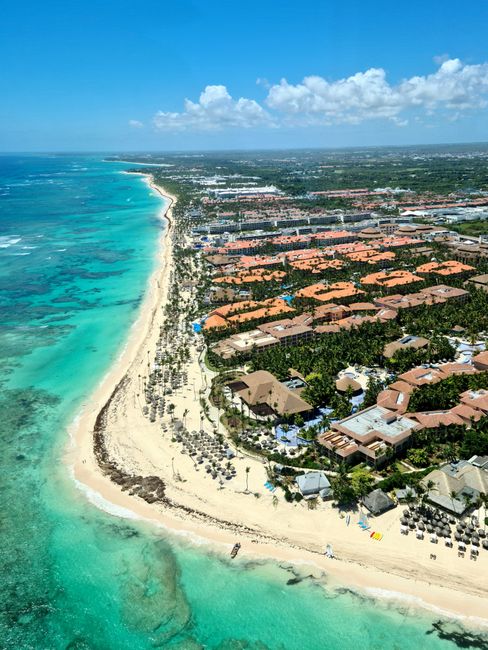
Punta Cana
Punta Cana anchors Dominican tourism as the country's largest and most internationally connected resort destination, offering extensive all-inclusive beach resorts along consistently beautiful white-sand coastline. The area's well-developed international airport makes it the most practical logistical base for exploring multiple Dominican destinations. Ideal for first-time visitors and families seeking reliable, all-inclusive Caribbean beach resort convenience.
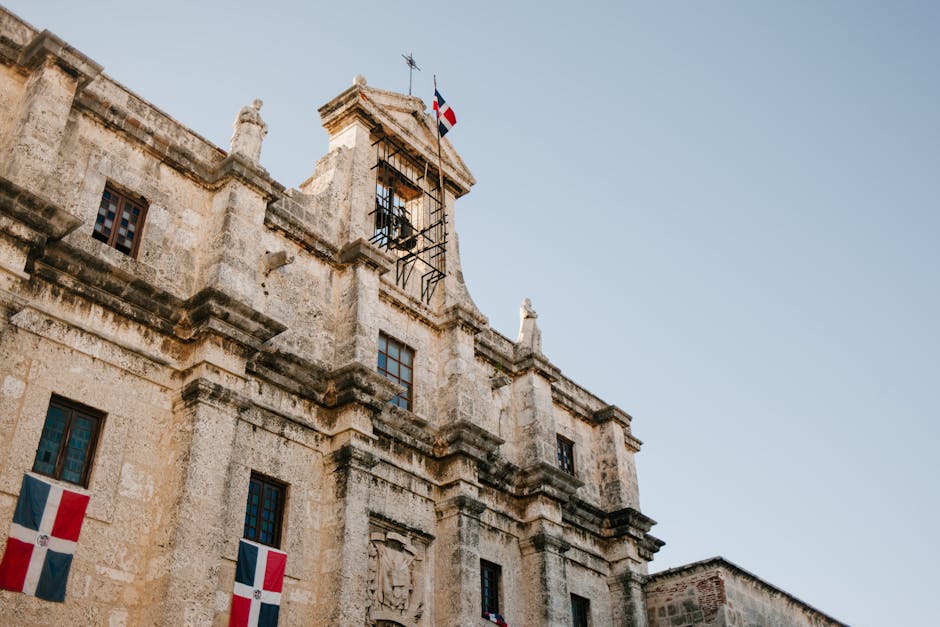
Santo Domingo
Santo Domingo's Colonial Zone, a UNESCO World Heritage Site, preserves the New World's first cathedral, university, and hospital, offering essential historical depth beyond the Dominican Republic's beach resort reputation. The capital's recognition as a Culinary Capital of the Caribbean adds genuine food-focused appeal alongside its historical significance. Best for history enthusiasts and food travelers seeking the country's deepest colonial heritage and culinary culture.
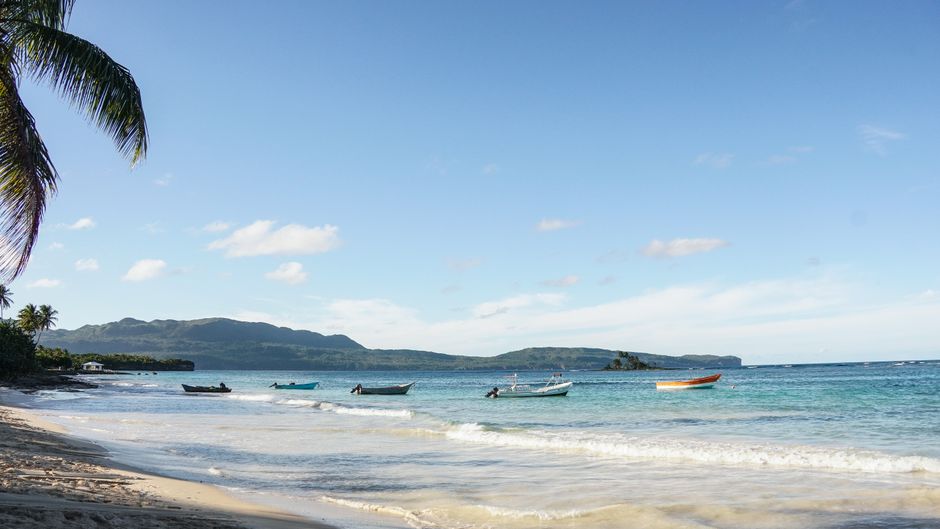
Samaná Peninsula
The Samaná Peninsula combines stunning, less-developed beaches with one of the Western Hemisphere's most significant humpback whale breeding grounds, drawing dedicated whale-watching tourism each January through March. The region's relatively slower development pace offers a notable contrast to Punta Cana's larger resort infrastructure. Ideal for wildlife enthusiasts and travelers seeking a quieter, more natural Dominican coastal experience.
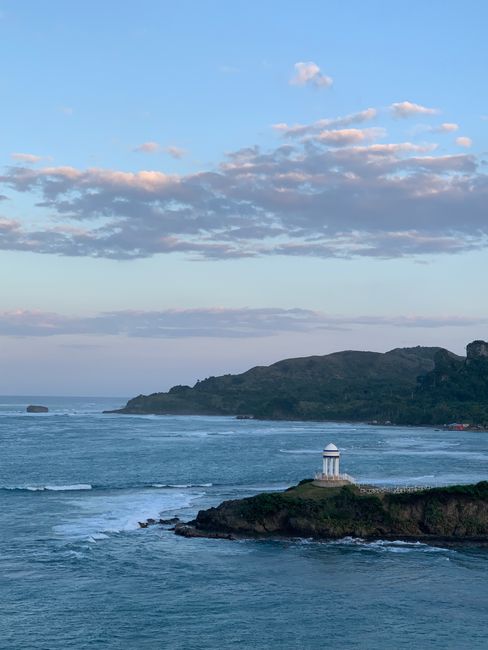
Puerto Plata
Puerto Plata anchors the Dominican Republic's northern coast, combining beach tourism with the historic Fortaleza San Felipe and a notably different, somewhat less resort-saturated atmosphere than the southern and eastern coastlines. The region's cable car up Pico Isabel de Torres offers panoramic coastal views. Best for travelers seeking a more historically grounded northern coast alternative to Punta Cana's resort concentration.
Cordillera Central (Jarabacoa)
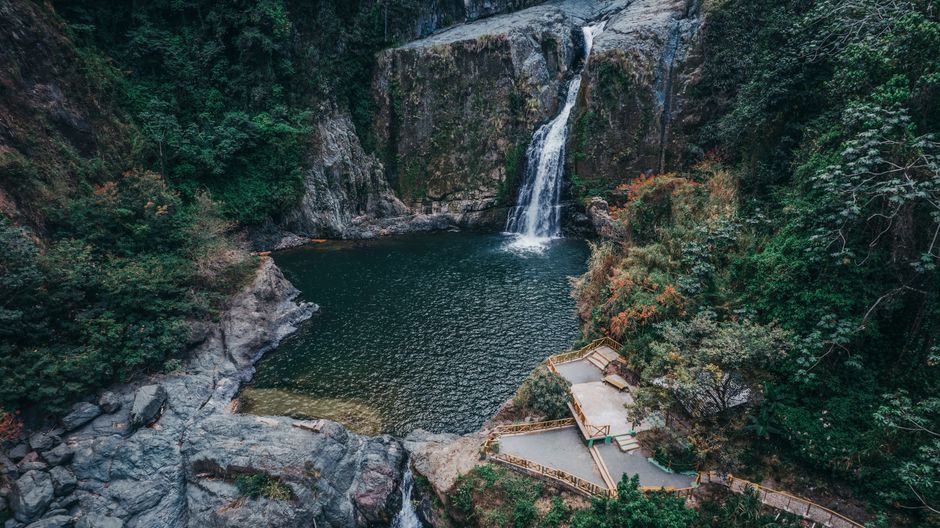
The Cordillera Central mountains, anchored by the town of Jarabacoa, offer a refreshingly cool escape from coastal heat, with significant hiking opportunities including ascents of Pico Duarte, the Caribbean's highest peak. The region's waterfalls and river activities provide a markedly different Dominican experience from beach-focused tourism. Ideal for hikers and adventure travelers seeking the country's mountainous, cooler interior landscape.
La Romana and Bayahibe
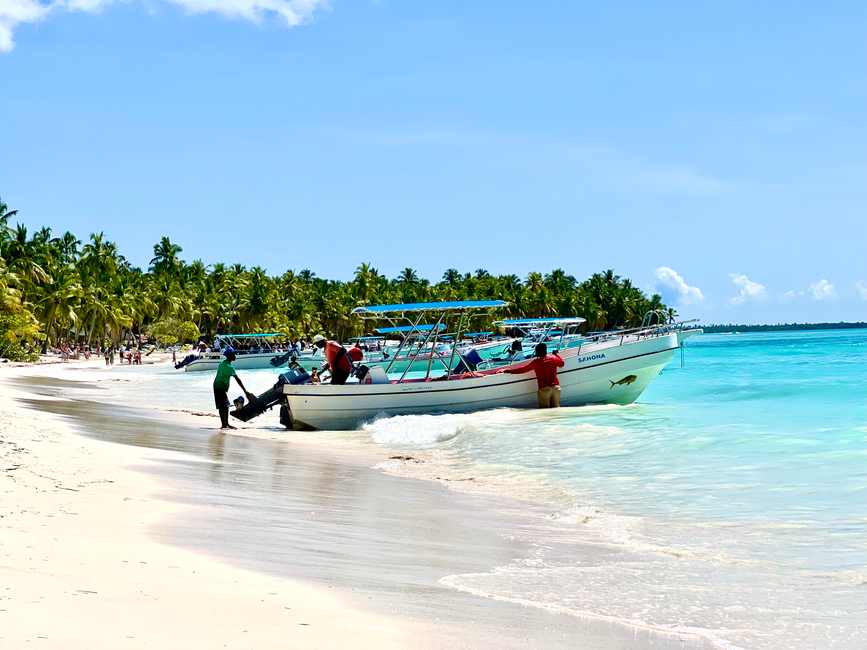
La Romana and the nearby fishing village of Bayahibe anchor a southeastern coastal region known for upscale resort development alongside access to Saona Island's pristine beaches and the artificial Mediterranean-style village of Altos de Chavón. The area's combination of luxury and natural island excursions distinguishes it within the broader Dominican tourism landscape. Best for travelers seeking upscale resort experiences alongside boat excursions to less-developed island beaches.
Unique Experiences in Dominican Republic
Whale Watching in Samaná Bay
Take a boat tour into Samaná Bay during peak humpback whale season, observing these massive marine mammals during their annual breeding migration from North Atlantic feeding grounds.
Exploring Santo Domingo's Colonial Zone
Walk through Santo Domingo's UNESCO-listed Colonial Zone, visiting the Americas' first cathedral, university, and the Alcázar de Colón, the former residence of Christopher Columbus's son.
Hiking Pico Duarte
Climb Pico Duarte, the highest peak in the Caribbean at 3,098 meters, through the Dominican Republic's Cordillera Central, a multi-day trek through diverse ecosystems from pine forest to alpine terrain.
Day Trip to Saona Island
Take a boat excursion to Saona Island, part of Cotubanamá National Park, for pristine, undeveloped Caribbean beaches accessible only by boat from the La Romana and Bayahibe area.
Merengue and Bachata Dance Lesson
Learn the fundamentals of merengue and bachata, two dance styles originating in the Dominican Republic, from local instructors who can share the cultural context behind these globally popular musical traditions.
Coffee and Cacao Plantation Tour in the Mountains
Visit a working coffee or cacao plantation in the Cordillera Central mountains, learning about the Dominican Republic's significant agricultural heritage in both crops, with tastings included.
Travel Tips for Dominican Republic
Complete the E-Ticket Form Before Arrival
All visitors must complete the mandatory electronic e-Ticket form on the official eticket.migracion.gob.do portal before…
Choose Your Coast Based on Seasonal Timing
The Dominican Republic's southern and eastern coasts (Punta Cana) follow an opposite rainfall pattern from the northern …
Venture Beyond the All-Inclusive Resort Perimeter
While Punta Cana's all-inclusive resorts offer convenient, reliable vacations, venturing into Santo Domingo's Colonial Z…
Negotiate Taxi Fares or Use Established Resort Transport
Unmetered taxis outside resort areas expect fare negotiation, so agree on a price before starting any ride, while resort…
Drink Only Bottled or Filtered Water Outside Resorts
While resort properties typically maintain safe water systems, tap water outside resort areas is generally not considere…
Purchase Travel Insurance With Hurricane Coverage for June-November Travel
Travelers visiting during Atlantic hurricane season (June-November), particularly during the higher-risk September-Octob…
Must-Try Local Dishes
La Bandera
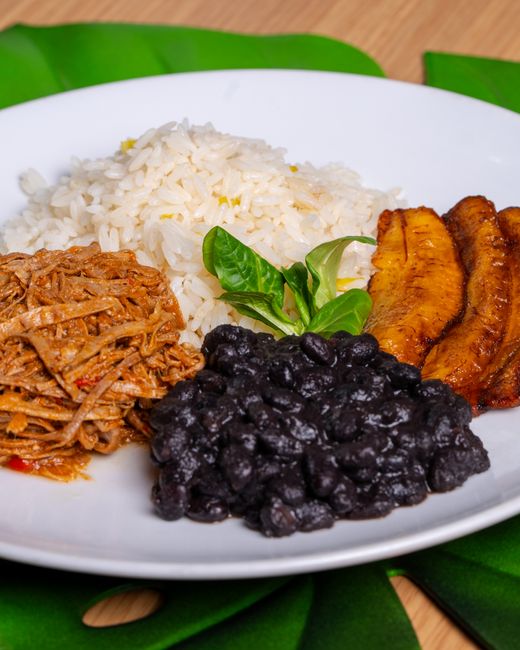
La bandera ('the flag'), the Dominican Republic's everyday national meal, combines white rice, red or black beans, and stewed meat (typically chicken, beef, or pork), often accompanied by fried green plantains and a small salad, representing the most commonly eaten complete meal across Dominican households regardless of region or economic background. The dish's name references the visual arrangement of its components, evoking the colors of the Dominican flag when plated together. Nearly every Dominican comedor (casual eatery) and home kitchen prepares some version of this foundational daily meal.
Mofongo
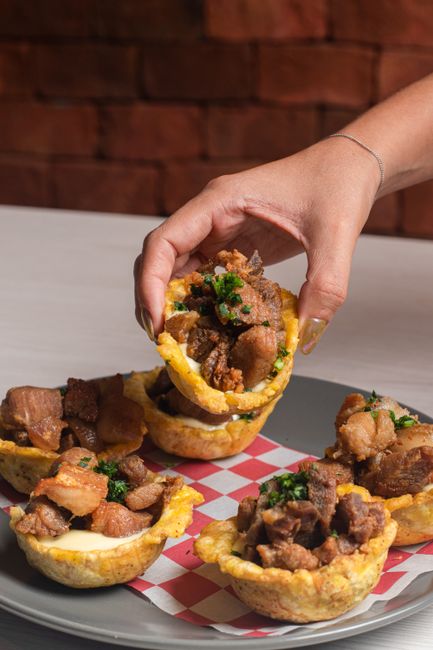
Mofongo mashes boiled green plantains with garlic, olive oil, and crispy pork rinds (chicharrón) into a dense, savory mound, often shaped into a bowl and filled with shrimp, chicken, or other proteins in a flavorful broth or sauce. The dish reflects deep African culinary influence on Dominican cuisine, with plantain-mashing techniques tracing directly back to West African cooking traditions adapted using Caribbean ingredients. Regional and family variations in seasoning and filling create countless distinct interpretations of this fundamentally simple but technique-dependent dish.

Sancocho
Sancocho, a hearty stew combining multiple types of meat with root vegetables like yuca, plantain, and yams, represents Dominican comfort food at its most elaborate, traditionally prepared for large family gatherings and special occasions given its labor-intensive, multi-meat preparation. The dish reflects broader Latin American and Caribbean stew traditions, with Dominican versions distinguished by their specific combination of meats and the particular root vegetables favored locally. Preparing a proper sancocho often becomes a genuine family event, with the dish considered too significant an undertaking for an ordinary weeknight meal.
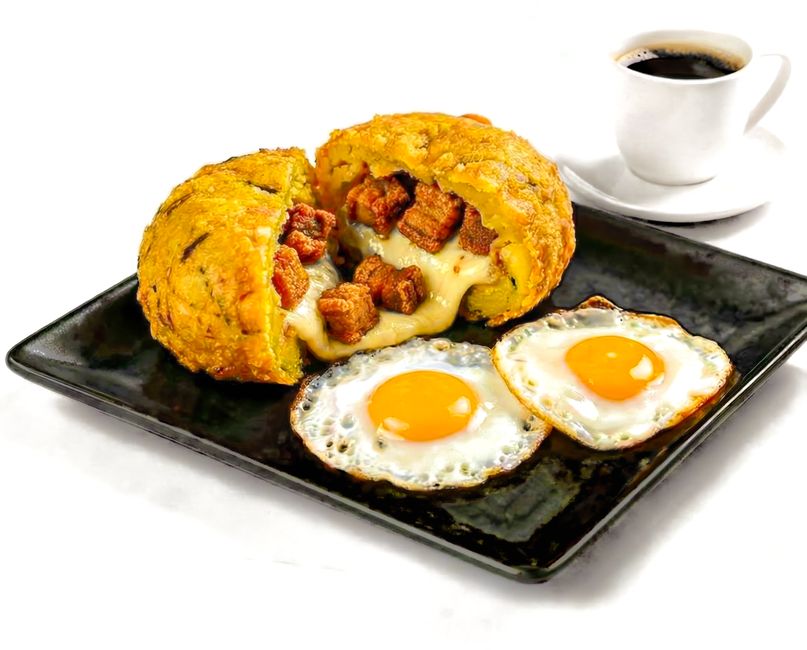
Mangú
Mangú, boiled and mashed green plantains typically served for breakfast, forms the foundation of 'los tres golpes' ('the three hits'), a beloved breakfast combination pairing the mashed plantains with fried eggs, fried cheese, and Dominican salami, representing one of the country's most quintessentially comforting morning meals. The dish's plantain-based foundation reflects both Indigenous Taíno and African culinary influences on Dominican cuisine, with plantains serving as a starchy staple across countless Dominican dishes throughout the day. Nearly every Dominican household maintains a particular preference for mangú's exact consistency, debated as passionately as similar regional food preferences elsewhere.
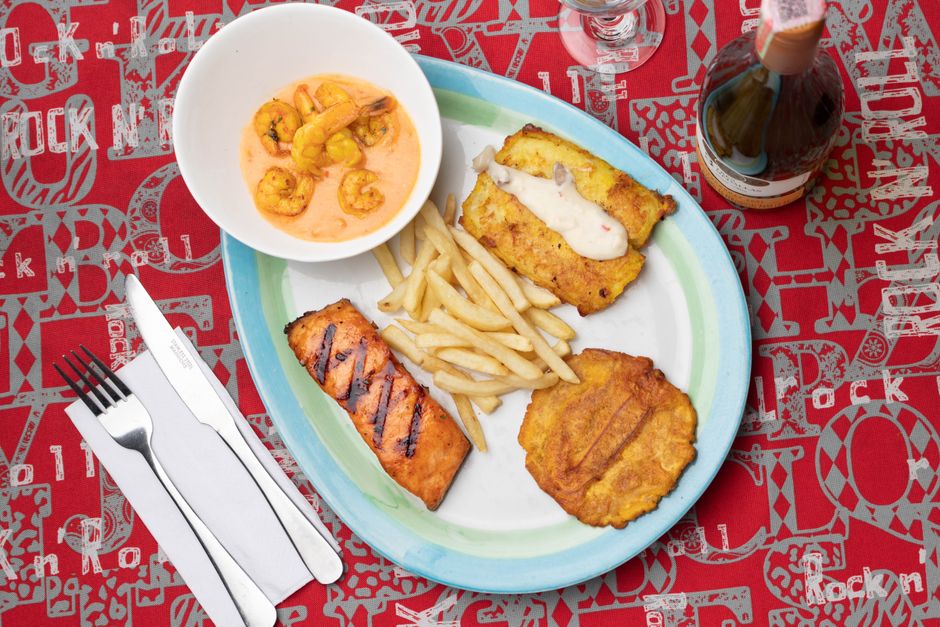
Pescado con Coco
Pescado con coco stews fresh fish in a rich coconut and tomato-based sauce, a coastal Dominican specialty particularly associated with the Samaná Peninsula, where coconut palms grow abundantly along the shoreline. The dish reflects the broader Caribbean tradition of coconut-based seafood preparation, with Dominican versions typically incorporating a distinct tomato element that differentiates it from purely coconut-based preparations found elsewhere in the region. Fresh catch from local fishing communities ensures the dish's quality varies meaningfully by location and season along the coast.
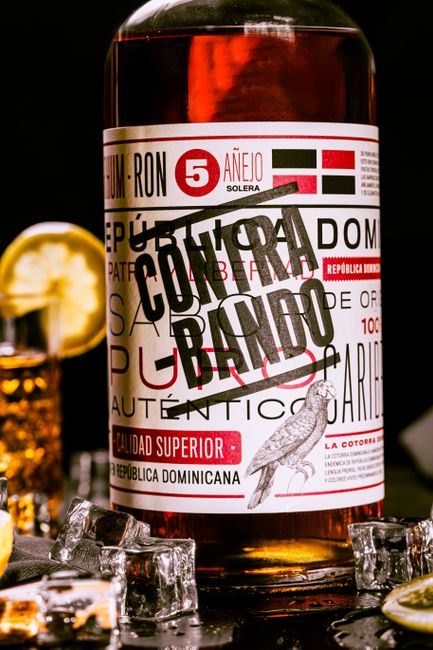
Dominican Rum
Dominican rum, produced from the country's extensive sugarcane cultivation, ranks among the Caribbean's most internationally respected rum traditions, with brands like Brugal and Barceló achieving significant global recognition for quality aged rum production. The country's sugar industry, dating back to early Spanish colonization, established the foundational agricultural base that would eventually support this respected rum-making tradition centuries later. Rum remains deeply embedded in Dominican social and celebratory culture, frequently enjoyed alongside merengue and bachata music at gatherings throughout the country.
History
Taíno Civilization and First Contact
The Taíno people, an Indigenous Arawak-speaking population, inhabited the island of Hispaniola (shared today by the Dominican Republic and Haiti) for centuries before European contact, developing organized chiefdoms (cacicazgos), agricultural systems centered on cassava and other root crops, and a rich oral and artistic tradition reflected in surviving petroglyphs and ceremonial objects.
Columbus's Arrival and Catastrophic Decline
Christopher Columbus landed on Hispaniola in December 1492 during his first voyage, establishing the first European settlement in the Americas and beginning a process of colonization that would prove devastating for the island's Taíno population within just a few decades.
- The Taíno population, estimated at several hundred thousand at contact, collapsed catastrophically within decades due to European diseases, forced labor, and violence, with some estimates suggesting over 90% population loss.
- Spanish colonial authorities established the encomienda system, forcing Taíno labor in mining and agriculture, a primary driver of this demographic catastrophe alongside disease.
- Santo Domingo, founded in 1496, became the first permanent European settlement in the Americas, serving as the administrative center for early Spanish colonization of the wider Caribbean and mainland Americas.
- Despite this population collapse, Taíno cultural, linguistic, and culinary influence persisted and blended into the emerging colonial society, particularly visible in foods like cassava-based dishes still eaten today.
This devastating early contact period, while catastrophic for Taíno populations, established Santo Domingo's foundational role as the launching point for Spanish exploration and colonization throughout the broader Americas.
Climate & Best Time to Visit
Dry Season (Punta Cana and South/East)
21–30°C
December to April brings the Dominican Republic's most comfortable, driest conditions to Punta Cana and the southern and…
Northern Coast Dry Season
23–31°C
April to October brings the driest conditions to Puerto Plata and the northern coast, which follows an inverted seasonal…
Hurricane Season
24–32°C
June to November brings Atlantic hurricane season risk to the Dominican Republic, with peak risk typically in September …
Mountain Region (Cordillera Central)
12–24°C
The Dominican Republic's interior Cordillera Central mountains stay noticeably cooler than the coastal regions year-roun…
Fascinating Fun Facts
Santo Domingo Was the First European City in the Americas
Santo Domingo, founded in 1496, holds the distinction of being the first permanent European settlement in the Americas, …
The New World's First Cathedral, University, and Hospital All Stand in Santo Domingo
The Colonial City of Santo Domingo, a UNESCO World Heritage Site, preserves the Americas' first cathedral, first univers…
Humpback Whales Travel Thousands of Kilometers to Breed Off Samaná
Thousands of humpback whales migrate annually from North Atlantic feeding grounds to breed and give birth in the warm wa…
The Dominican Republic and Haiti Share One Island But Followed Dramatically Different Paths
The Dominican Republic and Haiti share the island of Hispaniola, divided between Spanish and French colonial powers resp…
Santo Domingo Was Named a Culinary Capital of the Caribbean
Santo Domingo received recognition as a Culinary Capital of the Caribbean by the Ibero-American Academy of Gastronomy in…
Hotel Occupancy Exceeded 87% During Peak 2026 Season
The Dominican Republic recorded hotel occupancy rates exceeding 87% across the country during February 2026's record-bre…
Traveler Reviews (0 reviews)
Sign in to leave a review and share your experience.
Sign InNo reviews yet. Be the first to share your experience!