Denmark
Updated June 20, 2026
Denmark welcomed 65.2 million overnight stays in 2024, with international tourists accounting for 52% and generating roughly DKK 169 billion in total tourism spending, making it the most popular Nordic destination despite being Scandinavia's smallest country. Denmark holds 9 UNESCO World Heritage Si…
Must-See Places in Denmark
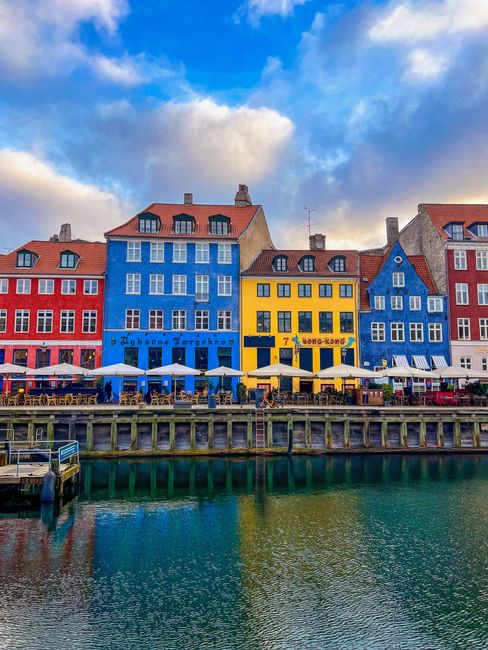
Copenhagen
Copenhagen anchors Danish tourism with its colorful Nyhavn harbor, world-class New Nordic dining scene, and extensive cycling culture that has made it a global model for sustainable urban design. The city's museums and royal palaces add significant cultural depth alongside its contemporary design reputation. Ideal for first-time visitors wanting Denmark's culinary, design, and historical highlights in one walkable capital.
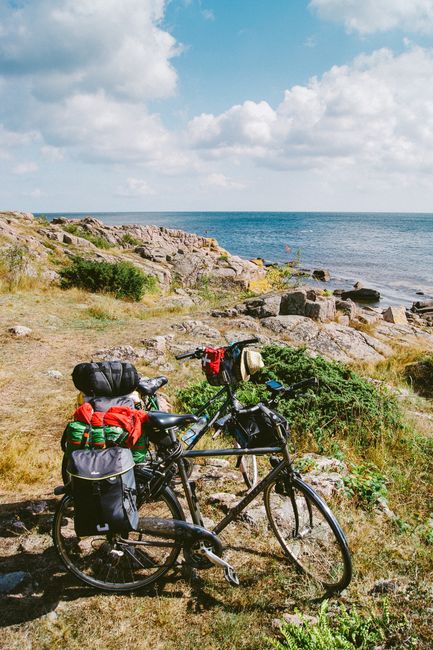
Bornholm
Bornholm, a Baltic Sea island, offers dramatic coastal scenery, the ruins of Hammershus castle, and a notably sunny microclimate compared to mainland Denmark, alongside a thriving artisan food and craft scene. The island's relative remoteness has preserved a distinct, slower-paced character. Best for travelers seeking Denmark's most scenic island escape with genuine culinary and craft heritage.
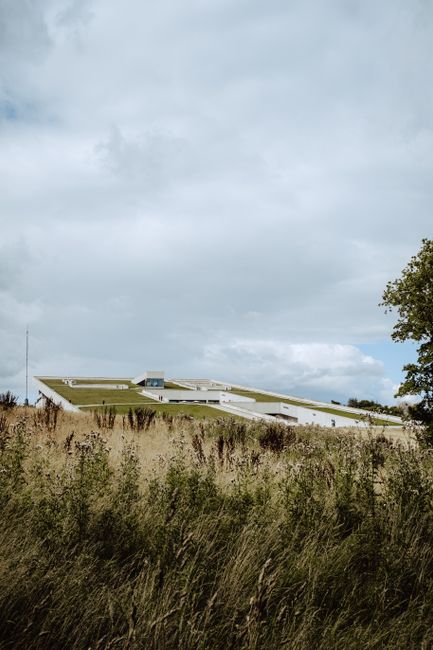
Aarhus
Aarhus, Denmark's second-largest city, combines a vibrant contemporary arts and design scene with the open-air Den Gamle By museum recreating historic Danish town life across several centuries. The city's significant student population gives it a notably youthful, creative energy. Ideal for travelers seeking Denmark's cultural depth outside Copenhagen, with a more relaxed urban pace.
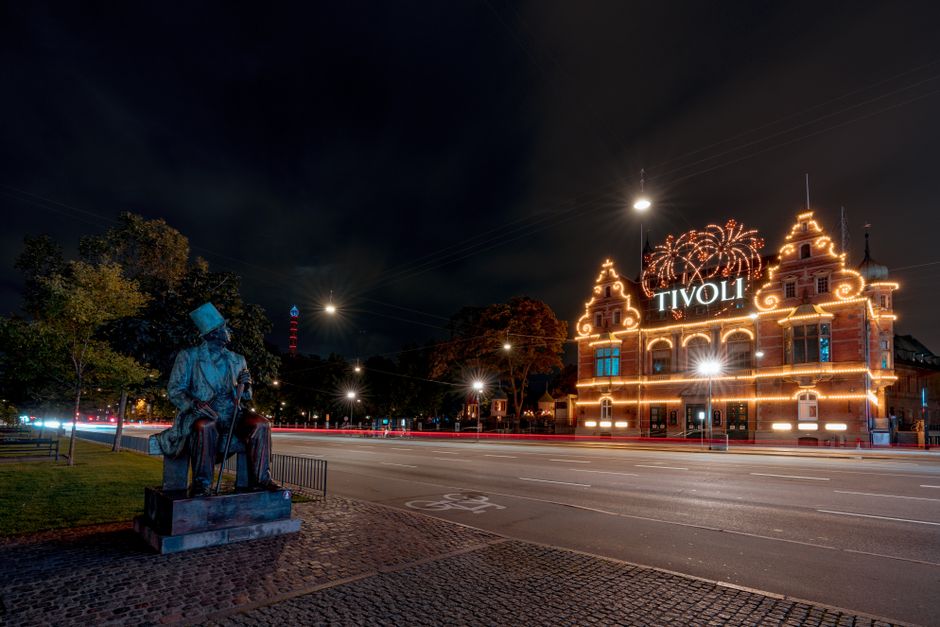
Odense and Funen
Odense, birthplace of beloved author Hans Christian Andersen, anchors the island of Funen alongside sandy beaches and cozy traditional villages offering a quieter, more rural Danish experience. The region's literary heritage and gentle countryside provide a notable contrast to Copenhagen's urban energy. Best for families and literature enthusiasts seeking a slower-paced Danish island experience.
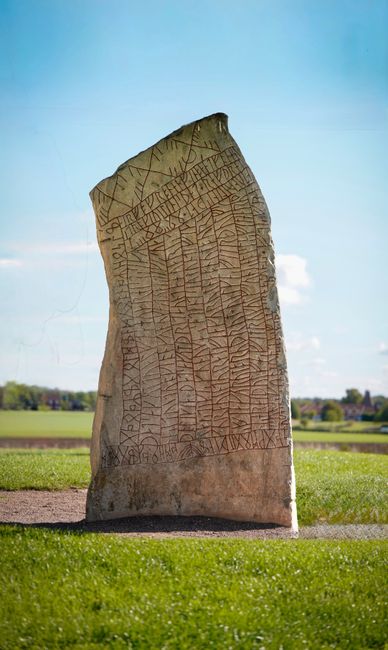
Jelling
Jelling, a UNESCO World Heritage Site, preserves the massive Viking-era burial mounds and runic stones erected by King Harald Bluetooth around 965 AD, commemorating Denmark's first recognized monarchs and the kingdom's official conversion to Christianity. The site offers a uniquely tangible connection to Denmark's foundational Viking history. Ideal for history enthusiasts seeking Denmark's most significant Viking Age heritage site.
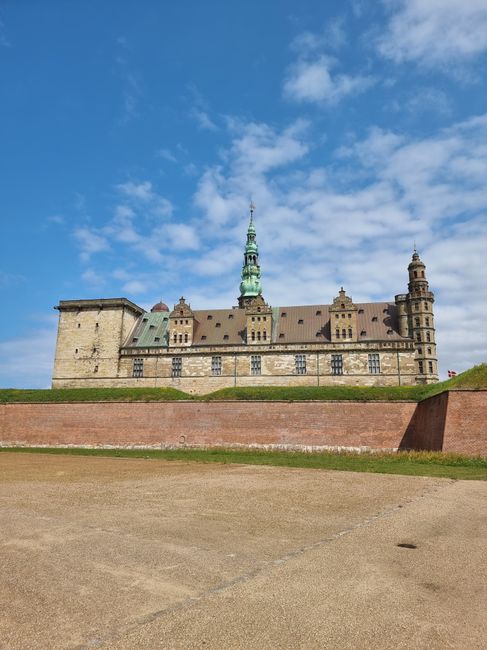
Helsingør and Kronborg Castle
Helsingør's Kronborg Castle, a UNESCO World Heritage Site and one of Northern Europe's most significant Renaissance fortifications, famously inspired the setting of Shakespeare's Hamlet, its strategic position controlling the narrow Øresund strait between Denmark and Sweden. The town's compact scale makes it an easy day trip from Copenhagen. Best for history and literature enthusiasts seeking dramatic castle architecture within easy reach of the capital.
Unique Experiences in Denmark
Cycling Through Copenhagen Like a Local
Rent a bicycle and navigate Copenhagen's extensive, world-renowned cycling infrastructure, experiencing the city the way most residents actually move through their daily lives rather than relying on cars or public transport.
Dining at a New Nordic Restaurant
Experience Copenhagen's New Nordic cuisine movement firsthand, sampling hyper-local, foraged, and seasonal ingredients prepared with techniques that have transformed global perceptions of Scandinavian dining.
Exploring the Jelling Viking Monuments
Visit the massive burial mounds and runic stones at Jelling, a UNESCO World Heritage Site marking the spot where Denmark's first recognized monarchs were honored and Christianity was formally adopted around 965 AD.
Touring Kronborg Castle
Explore Kronborg Castle's Renaissance halls and dungeons, the UNESCO World Heritage Site that inspired Shakespeare's Hamlet, strategically positioned controlling the narrow strait between Denmark and Sweden.
Beach and Coastal Exploration on Bornholm
Explore Bornholm's dramatic coastline and the ruins of Hammershus castle, Scandinavia's largest castle ruin, set against the island's notably sunny microclimate and thriving artisan food scene.
Visiting Den Gamle By Open-Air Museum in Aarhus
Walk through Den Gamle By ('The Old Town'), an open-air museum recreating historic Danish town life across several centuries, with costumed interpreters and authentically reconstructed period buildings.
Travel Tips for Denmark
Budget Carefully — Denmark Is Genuinely Expensive
Denmark consistently ranks among the more expensive European destinations, with restaurant meals, hotels, and even casua…
Embrace Cycling as Your Primary Transport in Copenhagen
Copenhagen's extensive, well-designed cycling infrastructure makes bicycles the most efficient and authentic way to expl…
Visit During Shoulder Season for Significant Savings
May and September offer genuine value, with hotel and airfare prices often dropping 20-30% compared to the June-August s…
Book Top New Nordic Restaurants Months in Advance
Copenhagen's most acclaimed New Nordic restaurants book out months ahead given their significant international reputatio…
Carry Cash Less, Cards More — Denmark Is Highly Cashless
Denmark operates an unusually card- and mobile-payment-dependent economy, with many smaller businesses and even some mar…
Check ETIAS Requirements Before Late 2026 Travel
Visa-exempt travelers, including from the US, UK, Canada, and Australia, will need an approved ETIAS travel authorizatio…
Must-Try Local Dishes
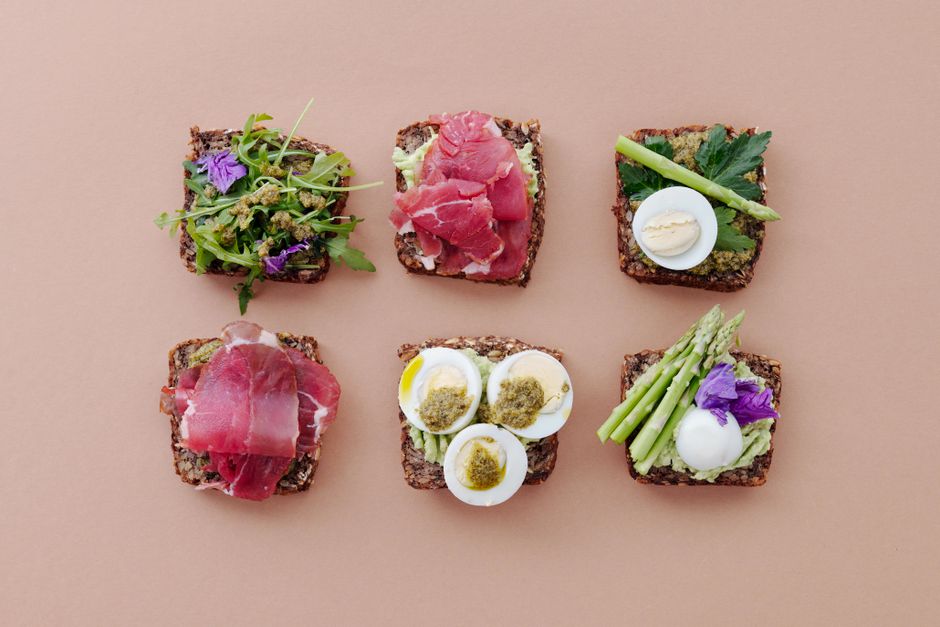
Smørrebrød
Smørrebrød layers dense, dark rye bread with an elaborate combination of toppings — pickled herring, liver pâté, roast beef, or shrimp — arranged with careful visual precision, representing Denmark's iconic open-faced sandwich tradition eaten with a knife and fork rather than by hand. Traditional Danish lunch restaurants specializing in smørrebrød offer extensive menus of distinct combinations, each following specific traditional pairing rules passed down through generations. The dish reflects Denmark's historical reliance on rye bread and preserved fish and meats, adapted over time into an increasingly refined culinary art form.

Frikadeller
Frikadeller, Danish meatballs made from a blend of ground pork and sometimes veal mixed with onion, egg, and breadcrumbs, are pan-fried until golden and traditionally served alongside boiled potatoes and a tangy cream gravy or simple brown sauce. The dish ranks among Denmark's most universally beloved comfort foods, appearing on family dinner tables and traditional restaurant menus alike, with virtually every Danish household maintaining its own specific recipe variations. Properly made frikadeller achieve a distinctive light, slightly fluffy texture rather than a dense, heavy result.
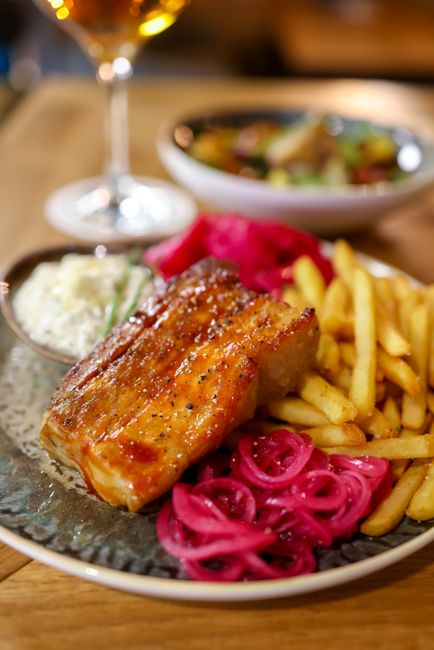
Stegt Flæsk
Stegt flæsk, often cited as a contender for Denmark's unofficial national dish, fries thick slices of pork belly until deeply crispy, served traditionally alongside parsley sauce (persillesovs) and boiled potatoes, a hearty combination reflecting Denmark's strong pork-farming agricultural heritage. The dish's straightforward preparation and rich, satisfying flavor have made it a perennial favorite across generations, regularly appearing on lists of dishes Danes themselves consider essential to their culinary identity. Pork remains deeply significant to Danish agriculture and cuisine, with Denmark long ranking among the world's largest pork exporters.
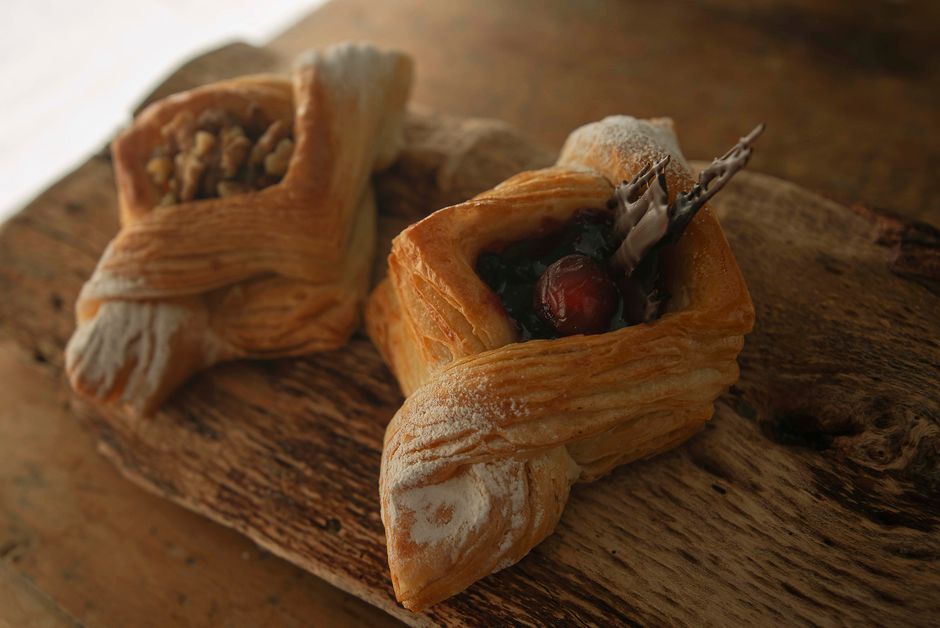
Danish Pastry (Wienerbrød)
Despite the international name 'Danish pastry,' Danes themselves call this layered, buttery pastry 'wienerbrød' (Vienna bread), acknowledging its actual origins with Austrian bakers who introduced the technique to Denmark in the 19th century, which Danish bakers subsequently refined and made internationally famous under a different name entirely. Modern Danish bakeries produce countless filled and topped variations, from simple cinnamon swirls to elaborate fruit and custard-topped versions, sold fresh each morning at bakeries throughout the country.
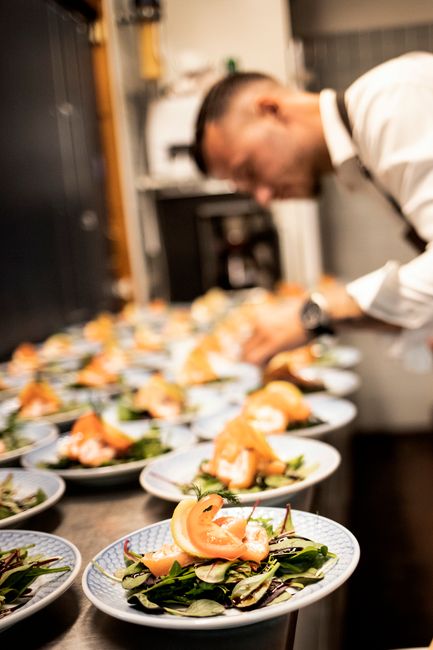
New Nordic Cuisine
New Nordic cuisine, pioneered by Copenhagen restaurants starting in the early 2000s, emphasizes hyper-local, foraged, and seasonal Scandinavian ingredients — wild herbs, root vegetables, and regional seafood — prepared with techniques that deliberately reject imported luxury ingredients common in earlier international fine dining traditions. This culinary movement transformed global perceptions of Nordic food, helping establish Copenhagen as one of the world's most respected dining destinations within a relatively short period, with several restaurants achieving significant international recognition and awards.

Rugbrød
Rugbrød, Denmark's dense, dark rye bread, forms the essential foundation for smørrebrød and remains a daily staple across Danish households, its hearty, slightly sour flavor and substantial texture reflecting centuries of Danish baking tradition adapted to the country's grain-growing conditions. The bread's long fermentation process and whole grain content make it notably more filling and nutritionally dense than lighter white bread varieties, with Danes consuming it regularly as both a breakfast and lunch staple. Different regional and family recipes produce subtle but genuinely distinct variations in flavor and texture.
History
The Viking Age and Early Danish Kingdoms
Denmark's Viking Age (roughly 793–1066 AD) saw Danish raiders, traders, and settlers range across Europe, from establishing significant territory in England to founding settlements in Normandy and beyond, while at home, Denmark's first recognized unified monarchy began taking shape under King Gorm the Old in the 10th century.
Jelling and the Birth of Christian Denmark
King Harald Bluetooth, Gorm's son, erected the famous Jelling Stones around 965 AD, commemorating his parents and announcing Denmark's official conversion to Christianity, a pivotal moment marking the kingdom's formal entry into the broader Christian European political order.
- The Jelling burial mounds and runic stones, a UNESCO World Heritage Site, represent one of the most significant Viking Age monuments anywhere in Scandinavia.
- King Sweyn Forkbeard and his son Cnut the Great briefly unified Denmark, England, and parts of Norway into a single North Sea empire in the early 11th century.
- Bluetooth wireless technology, invented centuries later, was deliberately named after King Harald Bluetooth, symbolizing the technology's role in 'uniting' different communication protocols, much as the king united Danish tribes.
- Viking longships, advanced for their era, enabled both raiding expeditions and significant trade networks stretching from North America to the Middle East via Russian river routes.
This Viking Age foundation, including Denmark's relatively early Christian conversion, established political and religious patterns that distinguished Denmark from some neighboring Scandinavian kingdoms that converted later.
Climate & Best Time to Visit
Spring
3–14°C
Spring (March to May) brings gradually warming temperatures of 5-18°C, blooming countryside, and increasingly pleasant c…
Summer
13–21°C
Summer (June to August) brings Denmark's warmest weather, with Copenhagen averaging around 22°C and the west coast sligh…
Autumn
5–15°C
Autumn (September to November) brings gradually cooling temperatures from a pleasant 18°C in September down to around 8°…
Winter
-2–4°C
Winter (December to February) brings cold but rarely severe conditions, with temperatures generally hovering around free…
Fascinating Fun Facts
Bluetooth Technology Is Named After a Viking King
Bluetooth wireless technology was deliberately named after the 10th-century Danish King Harald Bluetooth, who united var…
Denmark Saved Almost Its Entire Jewish Population During World War II
Despite Nazi German occupation starting in 1940, Danish resistance fighters and ordinary citizens coordinated a remarkab…
Roskilde Cathedral Holds Nearly 40 Danish Monarchs
Roskilde Cathedral, a UNESCO World Heritage Site begun in the 12th century, has served as the traditional burial site fo…
Kronborg Castle Inspired Shakespeare's Hamlet
Kronborg Castle at Helsingør, a UNESCO World Heritage Site and one of Northern Europe's most significant Renaissance for…
Denmark Has More Bicycles Than Cars
Denmark, and Copenhagen in particular, maintains one of the world's most extensive and well-used cycling infrastructures…
Denmark Pioneered the New Nordic Cuisine Movement
Copenhagen restaurants pioneered the New Nordic cuisine movement starting in the early 2000s, emphasizing hyper-local, f…
Traveler Reviews (0 reviews)
Sign in to leave a review and share your experience.
Sign InNo reviews yet. Be the first to share your experience!