Cuba
Updated June 20, 2026
Cuba's tourism sector faced a severe downturn in 2026, with international arrivals falling 58.4% between January and May compared to the same period in 2025, driven significantly by a Jet A-1 fuel shortage at nine Cuban airports that forced the cancellation of over 1,700 flights and prompted eleven …
Must-See Places in Cuba
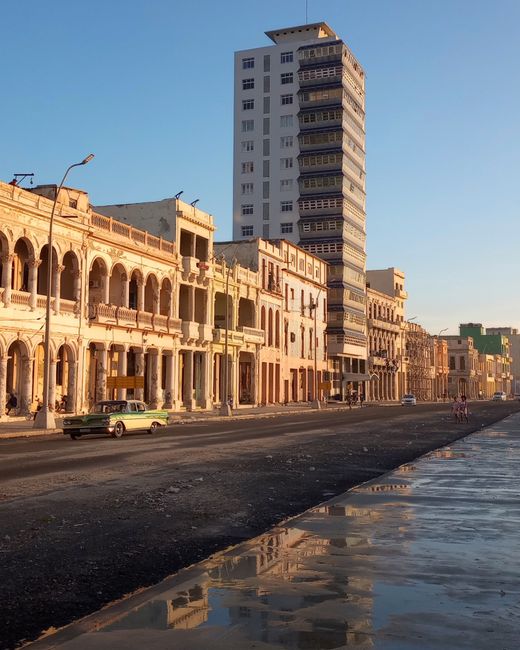
Havana
Havana, Cuba's vibrant capital, combines the UNESCO-listed Old Havana's colonial architecture and historic plazas with vintage American cars cruising the iconic Malecón seafront, offering visitors an unmatched immersion into the country's layered colonial, revolutionary, and contemporary culture. The city's distinctive music, art, and culinary scene anchor most Cuba itineraries. Best for travelers seeking Cuba's most historically and culturally rich urban destination, despite current tourism sector challenges.
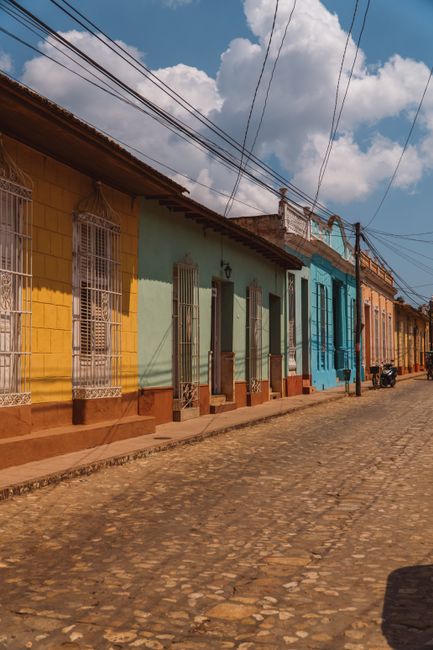
Trinidad
Trinidad, a remarkably preserved colonial town, showcases cobblestone streets and pastel-colored colonial houses largely unchanged since the 19th century, alongside a vibrant live music scene and active art community drawing visitors seeking Cuba's most intimate historical atmosphere. The town's UNESCO World Heritage status reflects its exceptional architectural preservation. Ideal for travelers wanting authentic colonial charm away from Havana's larger urban scale.
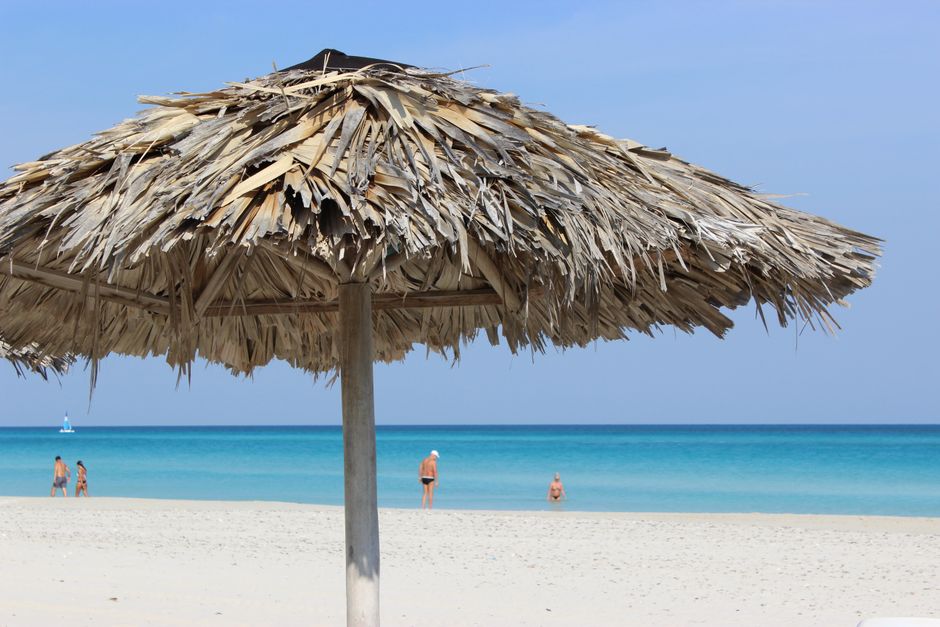
Varadero
Varadero anchors Cuba's beach resort tourism, its pristine white sand and clear turquoise water along an extensive coastline making it the country's most developed and internationally recognized beach destination, complete with extensive all-inclusive resort infrastructure. The peninsula's relatively isolated location from Cuba's other cultural attractions makes it ideal for pure beach relaxation. Best for travelers seeking straightforward beach holiday relaxation with established resort amenities.

Viñales Valley
Viñales Valley, a UNESCO World Heritage Site, showcases dramatic limestone karst formations (mogotes) rising above a patchwork of tobacco farms, where traditional cultivation methods continue producing the leaf for Cuba's globally renowned cigars. The valley's rural, scenic character offers a striking contrast to Havana's urban intensity. Ideal for travelers seeking dramatic natural scenery alongside genuine agricultural and cigar-making cultural heritage.
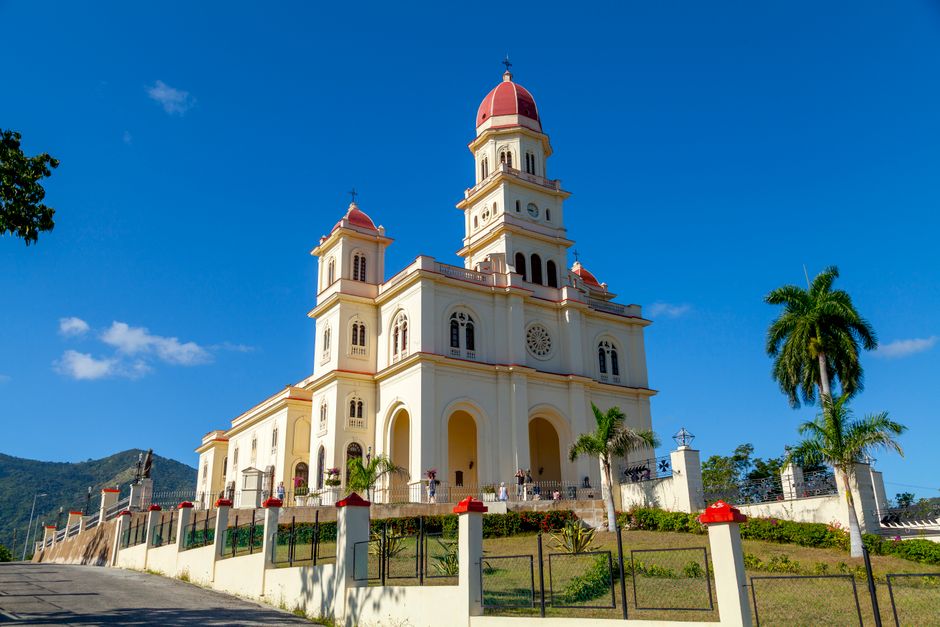
Santiago de Cuba
Santiago de Cuba, the country's second-largest city, anchors much of Cuba's Afro-Cuban cultural heritage, including significant Santería religious traditions and vibrant son music roots, alongside its own substantial colonial architecture and historical significance in the independence and revolutionary movements. The city's distinct cultural character differs notably from Havana's. Best for travelers seeking deeper Afro-Cuban cultural and musical heritage beyond the capital's tourist circuit.
Cienfuegos
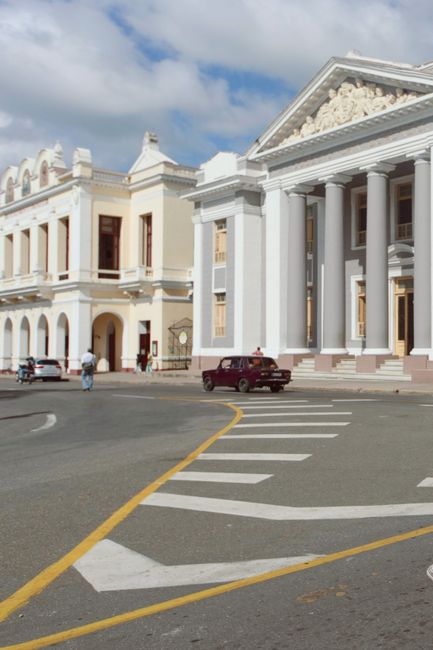
Cienfuegos, known as the 'Pearl of the South,' showcases distinctive French colonial architectural influence rare elsewhere in Cuba, alongside a UNESCO-listed historic center reflecting its unique 19th-century French settler heritage along the country's southern coast. The city's elegant, less crowded atmosphere offers a refined alternative to busier tourist destinations. Ideal for architecture enthusiasts seeking Cuba's most distinctly European-influenced colonial townscape.
Unique Experiences in Cuba
Classic Car Tour Along Havana's Malecón
Cruise Havana's iconic Malecón seafront promenade in a vintage 1950s American convertible, one of the city's most beloved tourist experiences, taking in sweeping ocean views and passing significant landmarks along this historic coastal drive.
Visiting a Viñales Tobacco Farm
Tour a traditional tobacco farm in the UNESCO-listed Viñales Valley, learning about cigar-making methods passed down through generations, often including a demonstration of hand-rolling techniques and an opportunity to sample fresh cigars directly from the farm.
Live Music and Dance in Trinidad's Casa de la Música
Experience authentic live Cuban music and dance at Trinidad's renowned outdoor venues, where local musicians perform son, salsa, and traditional Cuban rhythms against the backdrop of the town's beautifully preserved colonial architecture.
Snorkeling or Diving Near Varadero
Snorkel or dive among Varadero's vibrant coral reefs and clear turquoise water, exploring marine life along Cuba's most developed beach resort coastline, with options ranging from shore-based snorkeling to boat excursions to more remote reef sites.
Exploring Old Havana's Colonial Plazas
Walk through Old Havana's UNESCO-listed historic plazas, including Plaza de Armas and Plaza de la Catedral, exploring restored colonial architecture, street art, and the city's distinctive blend of faded grandeur and vibrant everyday Cuban life.
Sampling Traditional Cuban Coffee and Rum Tasting
Visit a traditional Havana café or rum distillery, sampling authentic Cuban coffee preparations and learning about the island's centuries-long rum-making heritage, often paired with mojito-making demonstrations using fresh local ingredients.
Travel Tips for Cuba
Verify Current Flight Availability and Airline Operations Before Booking
Cuba's 2026 tourism sector experienced significant disruption, including over 1,700 flight cancellations and eleven airl…
Obtain Your eVisa Before Departure
As of January 1, 2026, Cuba requires all international travelers to hold an electronic eVisa before arrival, with the pr…
Carry Sufficient Cash Given Limited Card Acceptance
Cuba's banking and payment infrastructure remains limited, with many establishments, particularly casas particulares and…
Stay in Casas Particulares for an Authentic, Resilient Experience
Casas particulares, privately operated guesthouses in Cuban homes, often provide more reliable hospitality and authentic…
Avoid Peak Hurricane Season for Coastal and Beach Travel
September and October bring Cuba's highest hurricane risk within the broader June-November Atlantic hurricane season, ma…
Build Flexibility Into Your Itinerary Given Current Sector Instability
Cuba's documented 2026 tourism challenges, including fuel shortages and reduced hotel occupancy, mean transport, dining,…
Must-Try Local Dishes
Ropa Vieja
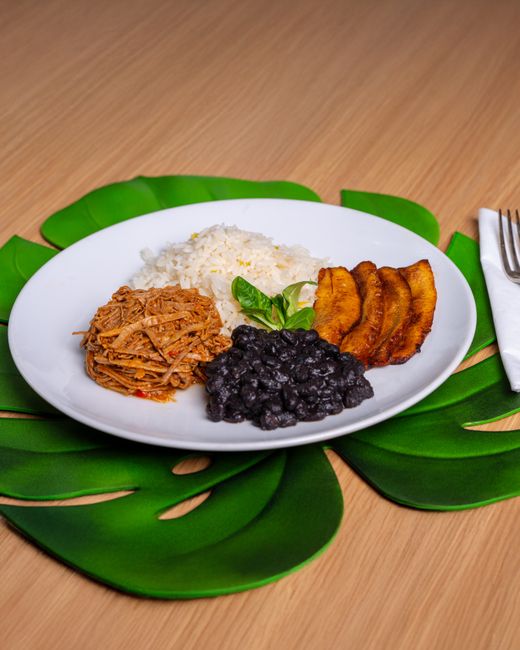
Ropa Vieja, whose name translates to 'old clothes' due to the dish's characteristic shredded meat texture, slow-cooks beef in a flavorful tomato-based sauce with peppers, onions, and warming spices until the meat falls apart into tender strands, ranking among Cuba's most beloved national dishes. The dish reflects Cuba's broader Spanish colonial culinary influence, adapted over generations using locally available ingredients and Caribbean flavor sensibilities. Ropa Vieja remains a staple at Cuban restaurants both on the island and throughout the global Cuban diaspora, typically served alongside rice, black beans, and fried plantains for a complete traditional meal.

Moros y Cristianos
Moros y Cristianos, meaning 'Moors and Christians,' combines black beans and white rice cooked together into a flavorful, satisfying staple side dish that accompanies the vast majority of traditional Cuban meals, its name referencing the historical contrast between the dark beans and white rice. The dish's preparation, often incorporating sofrito (a base of sautéed onions, garlic, and peppers), reflects deep Spanish colonial culinary influence adapted to Caribbean ingredients and tastes. Moros y Cristianos remains so fundamental to Cuban dining that it appears alongside nearly every protein-based main dish throughout the island's restaurants and households.
Cuban Sandwich (Sandwich Cubano)
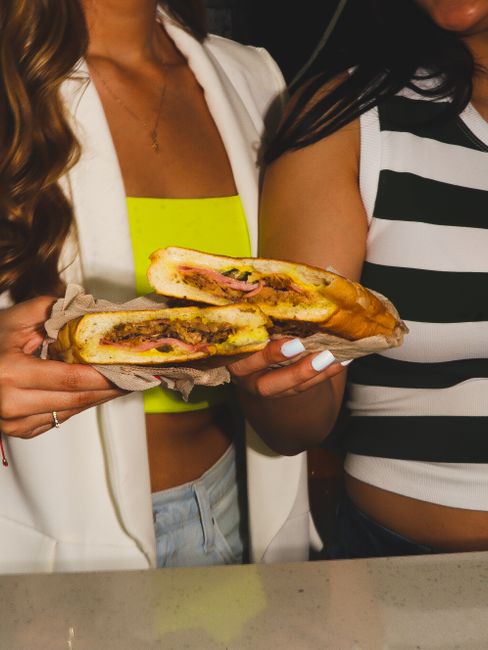
The Cuban sandwich layers roasted pork, ham, Swiss cheese, pickles, and mustard between pressed Cuban bread, grilled until the cheese melts and the bread achieves a distinctive crispy exterior, creating one of the Caribbean's most internationally recognized culinary exports. The sandwich's exact origins are debated between Havana and Cuban immigrant communities in Florida, though its combination of Spanish, Cuban, and American influences reflects the broader cultural exchange between Cuba and the United States throughout the 20th century. The Cuban sandwich remains immensely popular both on the island and throughout diaspora communities, particularly in Miami, where it holds significant cultural and culinary importance.

Tostones and Plantains
Tostones, twice-fried green plantain slices pressed flat between fryings to achieve a crispy, savory exterior, rank among Cuba's most beloved side dishes, offering a distinctly different flavor and texture profile from the sweeter ripe plantain preparations also common throughout the island. The dish reflects broader Caribbean and Latin American culinary traditions centered on plantains as a versatile, affordable staple ingredient adaptable to both savory and sweet preparations. Tostones remain a near-universal accompaniment to Cuban main dishes, found at everything from humble home kitchens to upscale paladares (private restaurants) throughout the country.
Cuban Coffee (Café Cubano)
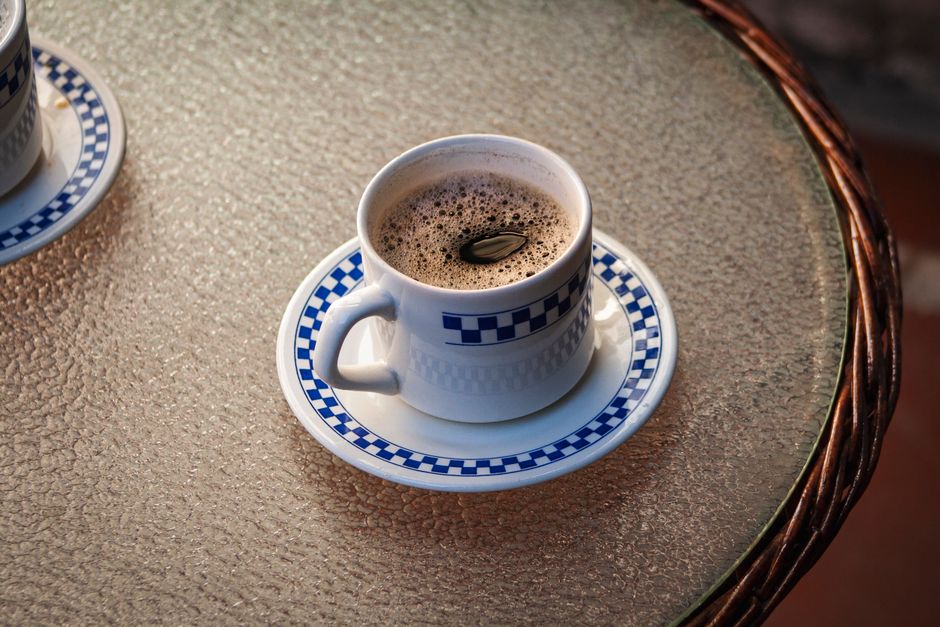
Cuban coffee, a strong, sweet espresso preparation incorporating sugar whipped directly with the first drops of brewed coffee to create a distinctive foam called 'espumita,' anchors daily social life throughout Cuba, reflecting the island's long historical association with coffee cultivation, particularly in the Sierra Maestra mountains. The coffee's intense sweetness and strength distinguish it clearly from standard espresso preparations found elsewhere, creating a genuinely unique Cuban culinary signature. Café Cubano remains deeply woven into Cuban daily ritual, typically enjoyed in small quantities throughout the day at home, work, and social gatherings alike.
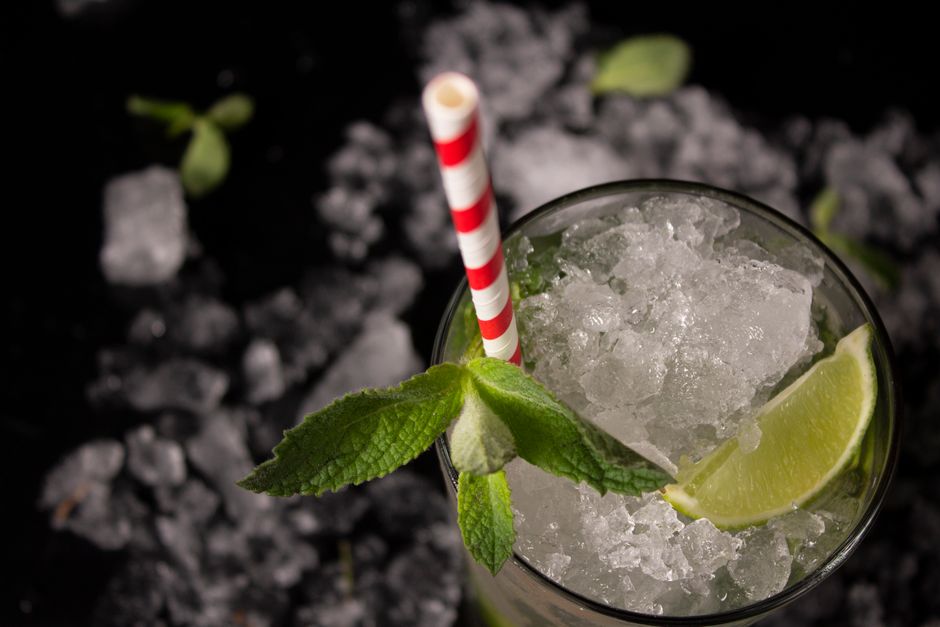
Mojito and Cuban Rum
The Mojito, combining Cuban rum, fresh mint, lime juice, sugar, and soda water, ranks among the world's most internationally recognized cocktails, with its origins tracing directly to Havana's vibrant pre- and post-revolutionary bar culture. Cuban rum production, dating back centuries to the island's colonial sugar industry, has developed into a globally respected craft, with brands like Havana Club representing some of the most recognized rum in the world. The cocktail's continued association with Havana's historic bars, some frequented by famous historical visitors including Ernest Hemingway, adds further cultural and literary significance to this signature Cuban beverage.
History
Indigenous Taíno Heritage and Spanish Conquest
Cuba's earliest inhabitants, the Taíno people, developed agricultural and fishing communities throughout the island for centuries before Christopher Columbus's 1492 arrival initiated Spanish conquest, colonization, and the devastating decline of the Indigenous population through disease, forced labor, and violence over subsequent decades.
Spanish Colonial Foundation
Spain established Cuba as a significant colonial possession, with Havana developing into one of the most important port cities in the Spanish Americas, serving as a crucial waypoint for treasure fleets transporting wealth from across Spanish-controlled territories back to Europe.
- The Taíno people's near-complete demographic collapse following Spanish contact represents one of the most significant population catastrophes of the early colonial period, with their cultural legacy persisting today primarily through certain foods, words, and place names.
- Havana's strategic harbor position made it a crucial defensive and logistical hub for Spain's broader Caribbean and American colonial empire, leading to substantial fortification construction.
- Old Havana's UNESCO World Heritage designation reflects this foundational Spanish colonial period's lasting architectural legacy, still visible throughout the historic district today.
- This early colonial period established the foundation for Cuba's subsequent plantation economy, which would later import enslaved Africans on a massive scale, fundamentally reshaping the island's demographics and cultural identity.
This Taíno and early Spanish colonial period, marked by devastating Indigenous population loss and the establishment of Havana as a crucial imperial port city, established the foundational demographic and architectural patterns that would continue evolving through Cuba's subsequent plantation economy and slave trade era.
Climate & Best Time to Visit
Dry Season (November-April)
19–27°C
November through April brings Cuba's most reliable weather, with consistently sunny, temperate conditions generally 25-2…
Early Wet Season (May-July)
23–31°C
May through July marks the beginning of Cuba's wet season, with increasing humidity and afternoon thunderstorms becoming…
Peak Hurricane Season (August-October)
24–32°C
August through October brings Cuba's highest hurricane risk, with September and October representing the peak months for…
Late Wet Season Transition (Mid-September to October)
23–30°C
Mid-September through October offers some of the year's cheapest travel prices alongside continuing hurricane risk, as t…
Fascinating Fun Facts
Havana's Vintage American Cars Are a Direct Legacy of the US Embargo
Havana's iconic fleet of vintage 1950s American cars, a globally recognized symbol of the city, exists largely because t…
Cuba Has More UNESCO World Heritage Sites Than Egypt or South Africa
Cuba holds 9 UNESCO World Heritage Sites, a remarkable number for an island nation of its size, exceeding the count held…
The Cuban Missile Crisis Brought the World to the Brink of Nuclear War
The 1962 Cuban Missile Crisis, triggered by Soviet nuclear missile deployment on Cuban soil, became one of the most dang…
Cuba's 2026 Tourism Crisis Was Driven by a Jet Fuel Shortage
A severe shortage of Jet A-1 fuel at nine Cuban international airports in early 2026 forced the cancellation of over 1,7…
Santería Blends African and Catholic Religious Traditions
Santería, a religious tradition practiced widely throughout Cuba, emerged from enslaved West African communities blendin…
Cuba's Tourism Has Fallen 61.7% Since Its 2018 Peak
Cuba's tourism sector reached a peak of 4.7 million international visitors in 2018, but has since lost 61.7% of that vol…
Traveler Reviews (0 reviews)
Sign in to leave a review and share your experience.
Sign InNo reviews yet. Be the first to share your experience!