Croatia
Updated June 20, 2026
Croatia ranked among the world's top five destinations for 2026, recording 4.5 million tourist arrivals and over 14 million overnight stays in just the first five months of the year, with tourism now generating €14.2 billion — roughly 10.7% of national GDP. The country holds 10 UNESCO World Heritage…
Must-See Places in Croatia
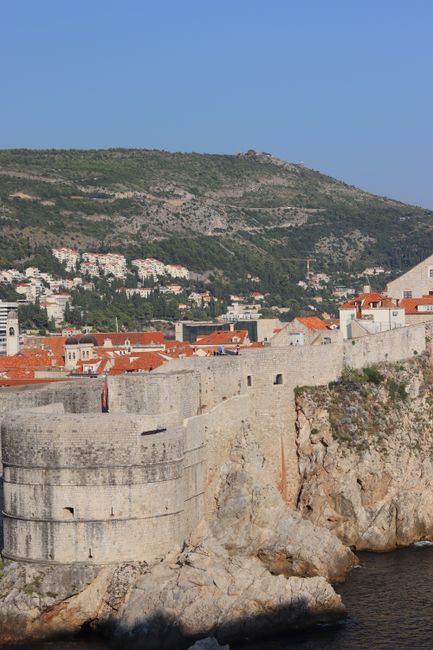
Dubrovnik
Dubrovnik's UNESCO-listed Old Town, fully encircled by nearly 2 km of medieval walls, preserves the legacy of the independent Republic of Ragusa, which maintained sovereignty for over 450 years through skilled diplomacy rather than military might. The city's dramatic walled silhouette and limestone-paved streets have also gained fame as a filming location for international television productions. Ideal for history lovers and photographers seeking Croatia's most iconic and well-preserved medieval cityscape.
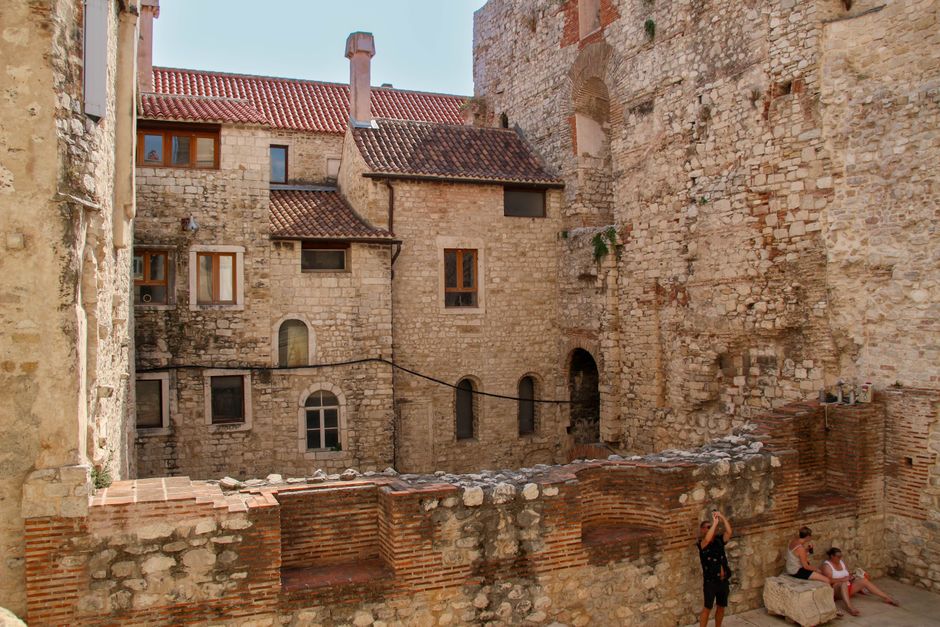
Split and Diocletian's Palace
Split centers on Diocletian's Palace, a UNESCO World Heritage Site that has remained continuously inhabited for over 1,700 years, with modern shops, restaurants, and homes built directly into the ancient Roman structure. The city serves as the primary gateway for ferries to Dalmatian islands including Hvar and Brač. Best for travelers wanting to combine ancient history with a lively, less formal Adriatic city atmosphere than Dubrovnik.
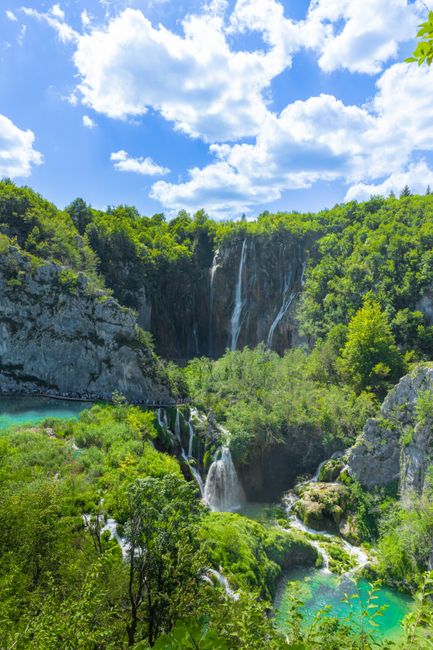
Plitvice Lakes National Park
Plitvice Lakes National Park, a UNESCO World Heritage Site since 1979, showcases 16 interconnected turquoise lakes separated by natural travertine dams and waterfalls, connected by wooden boardwalks winding directly over and alongside the cascading water. The park's colors shift constantly based on mineral content and light conditions throughout the day. Ideal for nature lovers and hikers seeking Croatia's most visually striking inland natural landscape.

Istria
Istria's hilltop towns, Venetian-influenced architecture, and renowned truffle and olive oil production give the peninsula a distinctly different character from Dalmatia further south, with Italian culinary and cultural influence remaining strong throughout the region. Rovinj's pastel-colored harbor and Poreč's Roman heritage anchor the region's appeal. Best for food travelers and those seeking a quieter, more refined alternative to Croatia's busier southern coast.

Hvar Island
Hvar Island combines lavender fields and historic stone architecture with some of the Adriatic's most renowned nightlife and beach club scene, drawing a notably more glamorous crowd than many other Dalmatian islands. The island's fortified hilltop town offers sweeping views over the harbor and surrounding Pakleni Islands archipelago. Ideal for travelers seeking a livelier island atmosphere alongside genuine historic character.
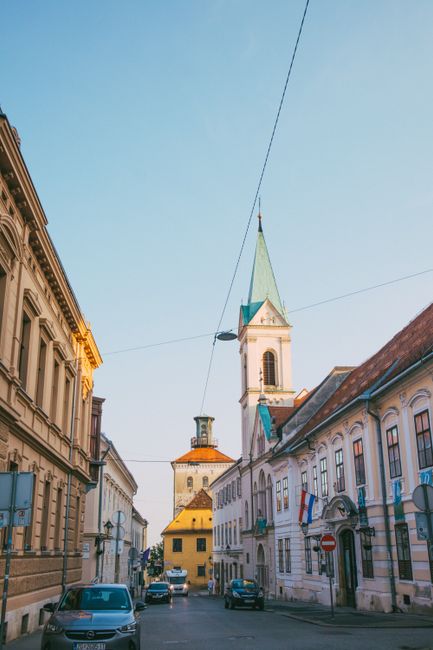
Zagreb
Zagreb, Croatia's inland capital, offers a markedly different Austro-Hungarian architectural character from the coastal Mediterranean towns, with a vibrant café culture, museums, and renowned Christmas markets that have repeatedly won European awards. The city's Upper and Lower Town districts preserve centuries of layered Habsburg-era development. Best for travelers seeking inland Croatian culture distinct from the coastal tourism circuit.
Unique Experiences in Croatia
Walking Dubrovnik's City Walls at Sunrise
Walk the nearly 2 km length of Dubrovnik's medieval city walls at dawn, before the day's heat and cruise ship crowds arrive, taking in sweeping views over the Old Town's terracotta rooftops and the Adriatic Sea below.
Sailing the Dalmatian Islands
Charter a sailboat through the Dalmatian archipelago, hopping between Hvar, Brač, and Vis, reaching secluded coves and beaches accessible only by water, away from the mainland's more developed tourist towns.
Hiking the Boardwalks of Plitvice Lakes
Walk wooden boardwalks suspended directly over and alongside Plitvice Lakes' cascading turquoise waterfalls, a UNESCO-protected landscape that shifts color dramatically with light and season.
Truffle Hunting in Istria
Join a local truffle hunter and trained dog through Istria's oak forests, searching for the region's prized white and black truffles, followed by a tasting meal showcasing the day's find.
Sea Kayaking Around Dubrovnik's City Walls
Paddle a sea kayak around Dubrovnik's harbor and beneath its towering city walls, viewing the historic fortifications from a perspective entirely different from the standard land-based wall walk.
Exploring Diocletian's Palace's Underground Cellars
Descend into the vaulted underground cellars of Diocletian's Palace in Split, ancient Roman substructures that have featured prominently in international television productions and now host a small market and exhibition space.
Travel Tips for Croatia
Book Ferries and Accommodation Well Ahead for Summer Travel
July and August bring intense demand for inter-island ferries and coastal accommodation, with popular routes between Spl…
Validate Bus and Tram Tickets Where Required
In cities like Zagreb and Split, public transport tickets must often be validated on board immediately after purchase or…
Carry Cash for Smaller Islands and Rural Konobas
While Dubrovnik, Split, and Zagreb are largely card-friendly, smaller islands and traditional rural konobas (taverns) ma…
Wear Sturdy Footwear on Dubrovnik's and Split's Polished Stone Streets
The smooth limestone streets and steps throughout Dubrovnik's Old Town and Diocletian's Palace become genuinely slippery…
Look Beyond Dubrovnik and Split for Better Value and Fewer Crowds
While Dubrovnik and Split draw the heaviest tourist concentration and correspondingly higher prices, regions like Istria…
Check ETIAS Requirements Before Late 2026 Travel
Visa-exempt travelers, including from the US, UK, Canada, and Australia, will need an approved ETIAS travel authorizatio…
Must-Try Local Dishes

Ćevapi
Ćevapi are small, seasoned grilled meat rolls, typically a blend of beef and pork, served piled into warm somun flatbread with raw onion and ajvar (a roasted red pepper relish), reflecting centuries of Ottoman culinary influence absorbed across the Balkans. The dish remains one of Croatia's most beloved fast and casual foods, found everywhere from roadside grills to formal restaurant menus. Regional variations in spice blend and meat ratio spark friendly rivalry between different Croatian and broader Balkan towns claiming the 'authentic' version.
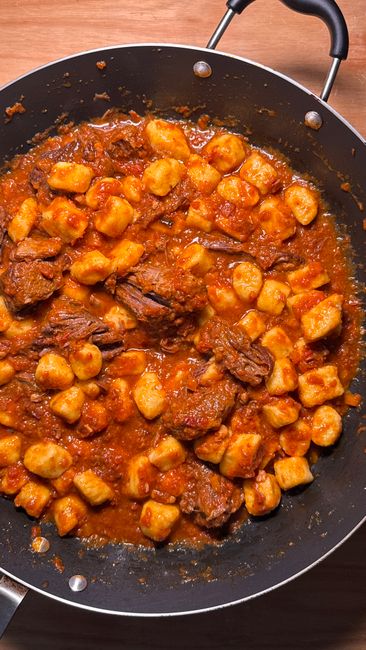
Pašticada
Pašticada is Dalmatia's celebrated festive beef dish, marinated for days in wine vinegar and an aromatic blend of cloves and spices before slow-braising for hours into an intensely rich, dark sauce, traditionally served over homemade gnocchi or pasta. The dish's multi-day preparation process makes it a centerpiece for special occasions like weddings, with the marinating and slow cooking reflecting generations of patient Dalmatian home cooking technique. Each Dalmatian family tends to guard its own specific spice ratio as a closely held culinary secret.
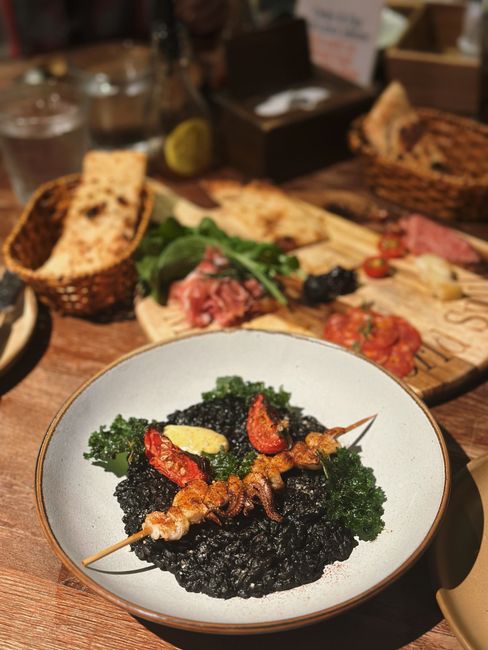
Black Risotto (Crni Rižot)
Black risotto gets its dramatic, inky color and deep briny flavor from cuttlefish ink, slow-cooked into the rice alongside the cuttlefish itself, a coastal Dalmatian and Istrian specialty that looks striking but tastes subtly sweet and oceanic rather than overpowering. The dish reflects centuries of Adriatic fishing tradition, with coastal families historically using every part of the cuttlefish catch rather than discarding the ink. It remains a signature dish at seafood restaurants throughout coastal Croatia, often served with a simple side of grilled vegetables.
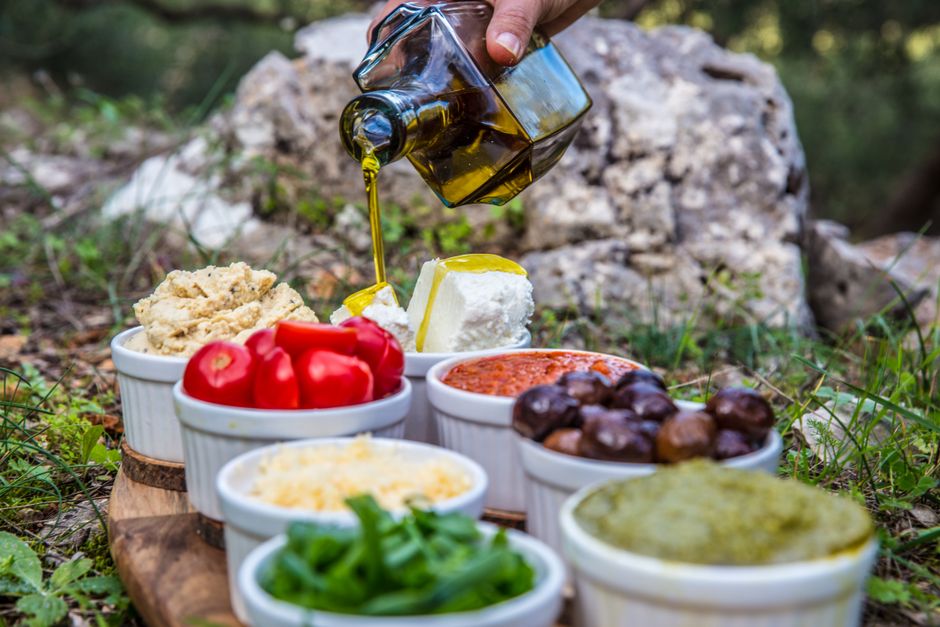
Istrian Truffles and Olive Oil
Istria's oak forests produce some of Europe's finest white and black truffles, foraged using trained dogs in a tradition closely tied to the region's broader culinary identity, which also includes some of the world's top-rated olive oils according to international competitions. Istrian cuisine reflects strong Italian influence given the region's historical Venetian and later Italian governance, producing a distinctly different culinary character from Dalmatia's more Mediterranean-Ottoman blend further south. Truffle hunting tours and tastings have become a significant draw for food-focused travelers to the region.
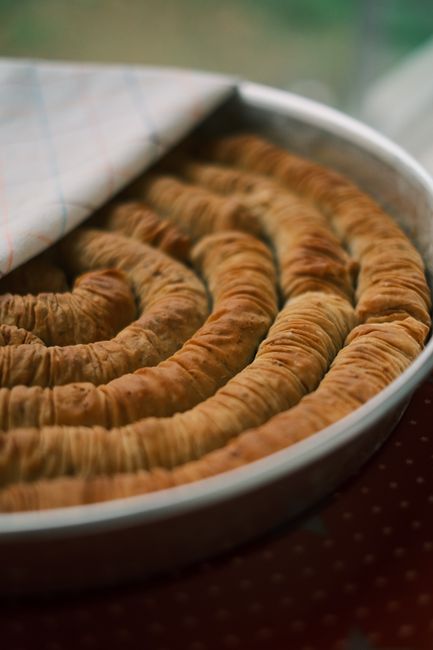
Burek
Burek layers thin, flaky filo pastry around savory fillings — most commonly minced meat, cheese, or spinach — rolled into a spiral and baked until golden and crisp, a beloved breakfast and snack food found at bakeries across Croatia. The dish traces its origins to Ottoman-era culinary influence spread throughout the Balkans, with each regional variation reflecting slightly different filling preferences and pastry techniques. It remains a quick, affordable, and satisfying option for breakfast or a between-meal snack throughout the country.

Rakija
Rakija, a strong fruit brandy distilled most commonly from plums or grapes, anchors Croatian and broader Balkan hospitality traditions, often offered as a welcoming shot to guests entering a home, particularly in rural and inland regions. Many Croatian families maintain small home distilleries, with rakija production a point of considerable pride and regional variation, infused sometimes with herbs, honey, or walnuts for additional flavor complexity. Refusing a host's rakija offer, much like similar customs elsewhere in the Balkans, can be considered a minor social misstep.
History
Roman Dalmatia and Diocletian's Legacy
The Roman Empire incorporated the Croatian coast into the province of Dalmatia starting around 168 BC, building cities, roads, and amphitheaters that left an enduring architectural legacy still visible today. Emperor Diocletian, born near Split around 244 AD, retired to a massive palace complex he had built in his home region after his 305 AD abdication, an extraordinarily rare voluntary departure from imperial power.
Diocletian's Palace and Roman Heritage
This palace, rather than falling into ruin after Diocletian's death, gradually transformed over subsequent centuries into the living heart of Split, with medieval and later residents building their homes directly into and around the ancient Roman structure.
- Diocletian's Palace, a UNESCO World Heritage Site since 1979, remains one of the best-preserved Roman palace complexes in the world, still inhabited and in active daily use today.
- Diocletian's voluntary abdication in 305 AD, retiring to grow cabbages according to legend, remains one of the most unusual transitions of power in Roman imperial history.
- Pula's Roman amphitheater, built in the 1st century AD, remains one of the best-preserved Roman arenas anywhere, still hosting concerts and events today.
- Roman roads and settlements along the Dalmatian coast established trade and urban patterns that persisted through Byzantine, Venetian, and later periods of rule.
This deep Roman foundation, particularly Diocletian's still-inhabited palace, gives Croatia's coastal cities an unusually direct and continuously lived connection to ancient history rarely matched elsewhere in Europe.
Climate & Best Time to Visit
Spring
11–22°C
Spring (April to June) brings warming temperatures of 14–24°C, blooming Mediterranean landscapes, and increasingly popul…
Summer
21–30°C
Summer (July to August) brings Croatia's hottest, driest weather, with the Dalmatian coast regularly reaching 30°C and o…
Autumn
14–25°C
Autumn (September to October) offers warm, comfortable conditions of 17–27°C with sea temperatures still swimmable into …
Winter
4–12°C
Winter (November to March) brings Croatia's rainiest period along the coast, with mild temperatures of 6–13°C in Dalmati…
Fascinating Fun Facts
The Necktie's Origins Trace Back to Croatian Mercenaries
The modern necktie is widely believed to derive from the distinctive neckwear worn by Croatian mercenary soldiers servin…
Diocletian's Roman Palace Is Still Inhabited Today
Unlike most ancient Roman structures preserved purely as archaeological ruins, Diocletian's Palace in Split has remained…
Croatia Holds the Most UNESCO Intangible Heritage of Any European Country
Croatia holds more UNESCO-recognized Intangible Cultural Heritage traditions than any other European nation, including s…
Dubrovnik's Walls Were Built to Be Genuinely Impenetrable
Dubrovnik's defensive walls, extended and reinforced over centuries by the independent Republic of Ragusa, stretch nearl…
Plitvice Lakes' Colors Change Constantly Due to Mineral Deposits
Plitvice Lakes National Park's distinctive turquoise, green, and blue-tinted waters result from varying concentrations o…
Croatia Has Over 1,200 Islands, Islets, and Reefs
Croatia's Adriatic coastline includes more than 1,200 islands, islets, and reefs, though only about 50 are permanently i…
Traveler Reviews (0 reviews)
Sign in to leave a review and share your experience.
Sign InNo reviews yet. Be the first to share your experience!