Costa Rica
Updated June 20, 2026
Costa Rica recorded a historic first quarter of 2026, welcoming over 1.03 million international arrivals between January and March, a 10.4% increase driven largely by strong North American demand alongside notable European growth of 12.7% in the early months of the year. The United States remains Co…
Must-See Places in Costa Rica

Arenal Volcano and La Fortuna
La Fortuna anchors access to the dramatic Arenal Volcano, combining rainforest trails, hanging bridges, and waterfalls with the area's renowned natural hot springs offering relaxation after a day of adventure activities. The region's concentration of attractions within a compact area makes it one of Costa Rica's most efficient and popular destinations. Best for travelers seeking Costa Rica's signature volcano views combined with relaxing hot springs and accessible adventure activities.

Manuel Antonio National Park
Manuel Antonio National Park combines compact rainforest trails with stunning beach access, offering reliable sightings of monkeys, sloths, and tropical birds alongside some of Costa Rica's most picturesque coastal scenery. The park's daily visitor limits require advance booking but help preserve its exceptional wildlife density. Ideal for travelers wanting beach relaxation and reliable wildlife encounters combined within a single compact destination.

Monteverde Cloud Forest
Monteverde's cool, misty cloud forest reserve offers exceptional birdwatching opportunities, including the chance to spot the resplendent quetzal, alongside thrilling zip-lining and hanging bridge canopy walks through this unique high-elevation ecosystem. The region's distinctly cooler climate provides a refreshing contrast to Costa Rica's tropical lowlands. Best for nature enthusiasts and adventure travelers seeking Costa Rica's most ecologically unique forest ecosystem and birdwatching opportunities.
Corcovado National Park
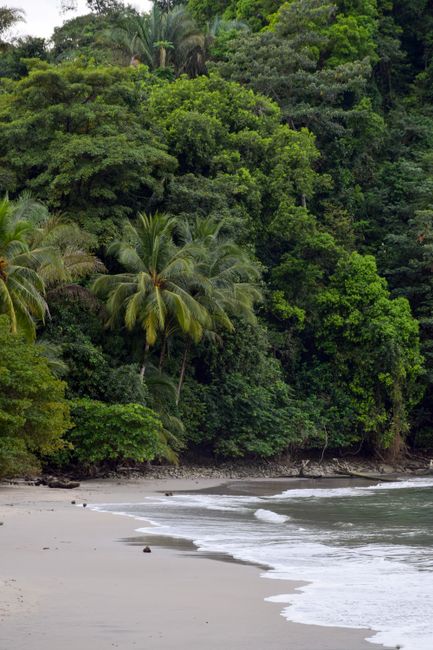
Corcovado National Park, on the remote Osa Peninsula, protects one of Central America's most biodiverse rainforest ecosystems, offering visitors the chance to spot tapirs, jaguars, and scarlet macaws within a genuinely wild and less-developed setting compared to Costa Rica's more accessible national parks. The park's daily visitor limits and remote location reward travelers seeking deeper wilderness immersion. Ideal for serious wildlife enthusiasts seeking Costa Rica's most pristine and biodiverse rainforest experience.

Tortuguero
Tortuguero, accessible only by boat or small plane along Costa Rica's Caribbean coast, anchors significant sea turtle nesting conservation, offering visitors the rare opportunity to witness green sea turtles laying eggs on protected beaches during peak nesting season. The region's network of canals, navigable only by boat, has earned it comparison to a tropical version of the Amazon. Best for wildlife enthusiasts seeking a genuinely remote, conservation-focused experience centered on sea turtle nesting.
Guanacaste
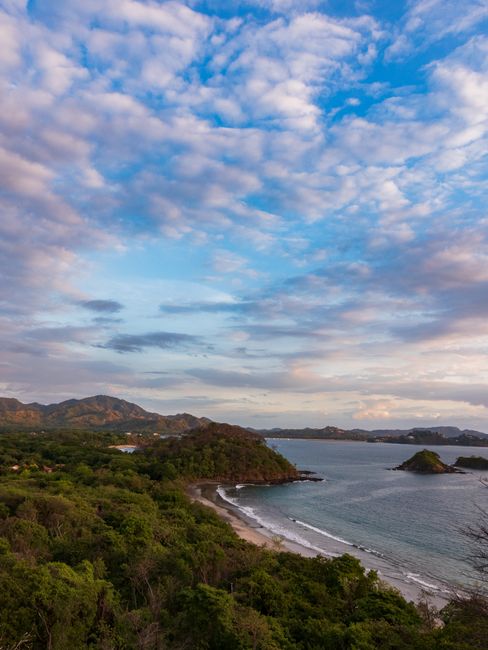
Guanacaste, Costa Rica's driest region, offers relaxed Pacific coastal beach destinations with notably more consistent sunshine than other parts of the country, alongside the UNESCO-listed Guanacaste Conservation Area protecting significant dry tropical forest ecosystems. The region's well-developed resort infrastructure makes it particularly popular for travelers prioritizing beach relaxation. Ideal for travelers seeking reliable sunny beach weather alongside access to significant dry forest conservation areas.
Unique Experiences in Costa Rica
Soaking in Arenal's Natural Hot Springs
Relax in natural hot springs heated by the nearby Arenal Volcano, with options ranging from rustic free riverside pools to upscale resort facilities, offering a perfect way to unwind after a day of rainforest hiking or adventure activities.
Zip-Lining Through Monteverde's Cloud Forest Canopy
Soar through Monteverde's misty cloud forest canopy on an extensive zip-line course, experiencing the unique high-elevation ecosystem from a thrilling aerial perspective unavailable through ground-level trails alone.
Wildlife Spotting in Manuel Antonio National Park
Hike Manuel Antonio's compact rainforest trails with a knowledgeable guide, spotting white-faced monkeys, three-toed sloths, and tropical birds before continuing to the park's stunning beach for relaxation.
Sea Turtle Watching in Tortuguero
Take a guided nighttime tour along Tortuguero's protected beaches during nesting season, witnessing green sea turtles laying eggs in one of Costa Rica's most significant wildlife conservation success stories.
White-Water Rafting Near La Fortuna
Navigate Costa Rica's rushing rivers near La Fortuna on a white-water rafting excursion, combining adrenaline-filled rapids with stunning rainforest scenery along the riverbanks.
Hiking to a Waterfall in the Central Valley or Highlands
Hike through lush rainforest trails to reach one of Costa Rica's many spectacular waterfalls, such as La Fortuna Waterfall, often including the option to swim in the refreshing pool at the base.
Travel Tips for Costa Rica
Book Popular National Park Tickets Well in Advance
Many of Costa Rica's most significant national parks, including Manuel Antonio, Corcovado, and Chirripó, impose daily vi…
Confirm Your Visa-Free Stay Duration Based on Nationality
Costa Rica's visa-free entry duration varies by nationality, ranging from 30 to 90 days within a 180-day period, with US…
Pack for Rainforest Conditions Regardless of Season
Even during Costa Rica's December-April dry season, rainforest regions including Monteverde and the Caribbean coast rema…
Consider Wet Season Travel for Significant Savings and Fewer Crowds
Costa Rica's wet season, particularly May through July before the heaviest August-October rains, offers notably lower pr…
Build Realistic Travel Time Into Your Itinerary
Costa Rica's mountainous terrain and winding roads mean travel times between popular destinations like Arenal, Monteverd…
Embrace the 'Pura Vida' Pace Rather Than Rushing Your Itinerary
Costa Rica's national philosophy of 'pura vida' (pure life) reflects a genuinely relaxed approach to daily life that con…
Must-Try Local Dishes

Gallo Pinto
Gallo Pinto, Costa Rica's beloved national breakfast dish, combines rice and beans stir-fried together with onions, peppers, and cilantro, typically served alongside eggs, cheese, and tortillas, reflecting the country's traditional reliance on rice and beans as foundational dietary staples dating back to pre-Columbian and colonial-era agricultural patterns. The dish's name, translating to 'spotted rooster,' references the speckled appearance created by the rice and beans mixing together during preparation. Gallo Pinto remains so fundamental to Costa Rican identity that it appears on breakfast tables throughout the country regardless of region or economic status, considered an essential daily staple rather than a special occasion dish.
Casado
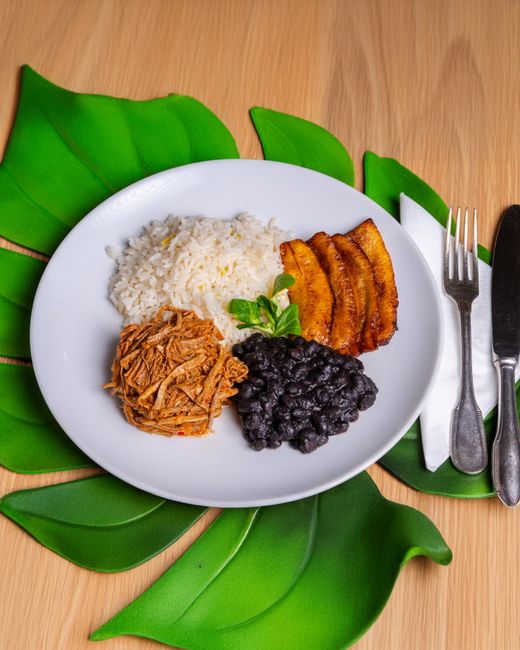
Casado, Costa Rica's quintessential lunch plate, combines rice, beans, salad, fried plantains, and a choice of protein (chicken, fish, beef, or pork) into a complete, balanced meal typically served at local sodas (small family-run restaurants) throughout the country. The dish's name, meaning 'married,' references the way these various components come together in harmonious combination on a single plate. Casado remains the most common and affordable lunch option throughout Costa Rica, with sodas competing on the quality and freshness of their specific casado preparation, making it an essential dish for understanding everyday Costa Rican dining culture.

Ceviche
Costa Rican ceviche, typically prepared with fresh white fish or shrimp marinated in lime juice with onions, cilantro, and chili peppers, reflects the country's significant coastal seafood access along both Pacific and Caribbean shores. The dish's bright, citrusy preparation, served chilled, makes it a particularly popular choice in coastal regions and beach towns where fresh catch remains readily available daily. Costa Rican ceviche typically incorporates a notably different seasoning profile compared to South American versions, often featuring a slightly sweeter, milder preparation reflecting Central American culinary preferences.

Costa Rican Coffee
Costa Rican coffee, cultivated throughout the country's fertile Central Valley highlands since the 19th century, has built a significant global reputation for quality, with the coffee industry's historical economic importance having fundamentally shaped the country's infrastructure, social development, and national identity. Coffee farm tours throughout the highlands offer visitors direct insight into cultivation and processing methods, often including tastings comparing different regional and altitude-specific flavor profiles. Costa Rica's continued coffee production, while economically less dominant than during its historical peak, remains a significant source of national pride and an essential part of daily Costa Rican social life and hospitality.

Tamales
Costa Rican tamales, particularly significant during Christmas celebrations, wrap a corn-based dough filled with seasoned meat and vegetables in banana leaves before steaming, reflecting deep Indigenous culinary roots adapted and developed over centuries into this distinctly Costa Rican holiday tradition. The dish's preparation often becomes a significant family activity ahead of Christmas, with multiple generations gathering to prepare large batches together, reflecting tamales' role as much a social and cultural ritual as a culinary tradition. Costa Rican tamales remain particularly associated with the December holiday season, though variations are enjoyed throughout the year at restaurants and family gatherings.

Tres Leches Cake
Tres Leches cake, a beloved dessert found throughout Costa Rica and the broader Central American region, soaks a light sponge cake in a mixture of three different milks (evaporated, condensed, and regular or cream), creating an exceptionally moist, rich dessert typically topped with whipped cream or cinnamon. The cake's preparation, requiring careful timing to achieve proper milk absorption without becoming overly soggy, has made certain bakeries and home cooks particularly renowned for their specific version. Tres Leches remains a popular celebratory dessert throughout Costa Rica, frequently featured at birthdays, holidays, and other significant family gatherings.
History
Indigenous Heritage and the Diquís Culture
Costa Rica's pre-Columbian history encompassed diverse Indigenous communities including the Bribri, Boruca, and the now-extinct Diquís culture, each developing distinctive societies adapted to the region's varied tropical environments long before Spanish contact would dramatically transform the territory's demographic and cultural landscape.
The Mysterious Stone Spheres of the Diquís
The pre-Columbian Diquís culture, centered in Costa Rica's southern Pacific region, created hundreds of remarkably precise stone spheres, a UNESCO World Heritage Site since 2014, whose exact purpose and creation methods remain subjects of ongoing archaeological investigation and scholarly debate.
- The Diquís stone spheres, some weighing many tons and achieving remarkable geometric precision, demonstrate sophisticated ancient stoneworking techniques whose full purpose remains genuinely mysterious to researchers today.
- Indigenous communities throughout pre-Columbian Costa Rica relied heavily on corn, beans, and squash cultivation, establishing dietary foundations that continue influencing traditional Costa Rican cuisine today.
- The Bribri and Boruca peoples, among the Indigenous groups with continued presence in modern Costa Rica, maintain distinct cultural traditions and territorial communities despite centuries of subsequent colonial and national pressure.
- This deep Indigenous heritage, exemplified by the enigmatic Diquís stone spheres, established Costa Rica's foundational pre-Columbian cultural diversity well before Spanish colonization would introduce entirely different demographic and political structures.
This rich pre-Columbian Indigenous heritage, particularly the mysterious and precisely crafted Diquís stone spheres, established Costa Rica's deep ancient cultural foundations, predating by many centuries the Spanish colonial period that would fundamentally reshape the territory's subsequent historical trajectory.
Climate & Best Time to Visit
Dry Season (December-April)
19–30°C
December through April brings Costa Rica's most reliably sunny, dry conditions, with temperatures generally 21-35°C depe…
Early Wet Season (May-July)
20–29°C
May through July brings the beginning of Costa Rica's wet season, with mornings typically remaining warm and sunny befor…
Peak Wet Season (August-October)
21–28°C
August through October brings Costa Rica's heaviest rainfall, particularly on the Pacific coast, with some remote roads …
Late Wet Season Transition (November)
20–28°C
November marks the transition out of peak wet season toward the upcoming dry season, with decreasing rainfall and improv…
Fascinating Fun Facts
Costa Rica Abolished Its Military in 1949
Costa Rica made the historic constitutional decision to abolish its military in 1949 following a brief civil war, a uniq…
The Diquís Stone Spheres' Purpose Remains a Genuine Mystery
The pre-Columbian Diquís culture created hundreds of remarkably precise stone spheres, some weighing many tons, whose ex…
Costa Rica Protects Over a Quarter of Its Territory in National Parks
Costa Rica has established one of the world's most extensive protected area systems relative to country size, with natio…
Costa Rica Generates Nearly All Its Electricity From Renewable Sources
Costa Rica has achieved one of the world's highest percentages of renewable electricity generation, drawing predominantl…
Many Popular National Parks Limit Daily Visitor Numbers
Costa Rica's most popular national parks, including Manuel Antonio, Corcovado, and Chirripó, impose daily visitor limits…
Costa Rica's 2026 Tourism Growth Has Sparked Overcrowding Concerns
Costa Rica's tourism sector achieved a historic first quarter in 2026 with over 1 million international arrivals, but th…
Traveler Reviews (0 reviews)
Sign in to leave a review and share your experience.
Sign InNo reviews yet. Be the first to share your experience!