Colombia
Updated June 20, 2026
Colombia's tourism sector reached nearly 6 million international visitors in 2026, a 16.7% surge driven by growing arrivals from the United States, Mexico, Brazil, Spain, and Panama, with tourism revenue exceeding $21.6 billion in 2025, surpassing traditional export sectors including coffee, coal, a…
Must-See Places in Colombia
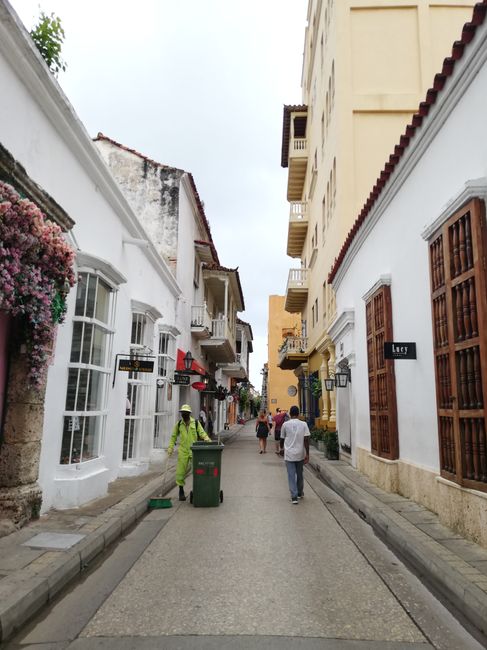
Cartagena
Cartagena, a UNESCO World Heritage Site, showcases South America's most extensive and well-preserved colonial fortifications, with a colorful walled historic center, vibrant balconied streets, and easy access to white-sand Caribbean islands offshore. The city's year-round tropical heat and colonial charm make it Colombia's most internationally recognized destination. Best for travelers seeking colonial architecture, Caribbean beach access, and Colombia's most photogenic historic city.
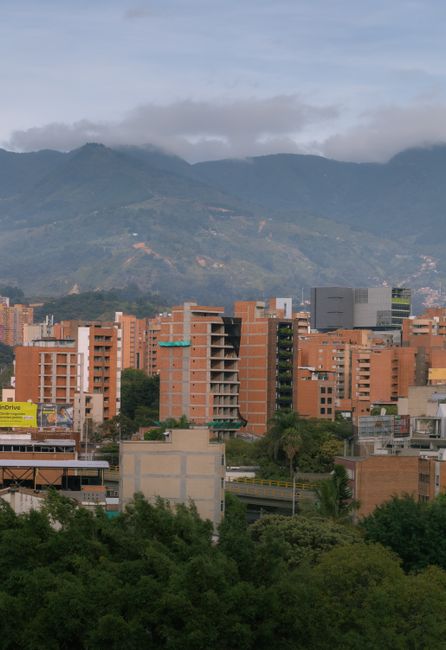
Medellín
Medellín, the 'City of Eternal Spring,' has transformed from its troubled past into a thriving hub for digital nomads, culture, and nightlife, earning international recognition among the world's best nightlife destinations alongside its notably mild, pleasant year-round climate. The city's innovative urban transformation projects offer a compelling model of contemporary Latin American renewal. Ideal for travelers seeking vibrant contemporary culture and Colombia's most celebrated urban transformation story.
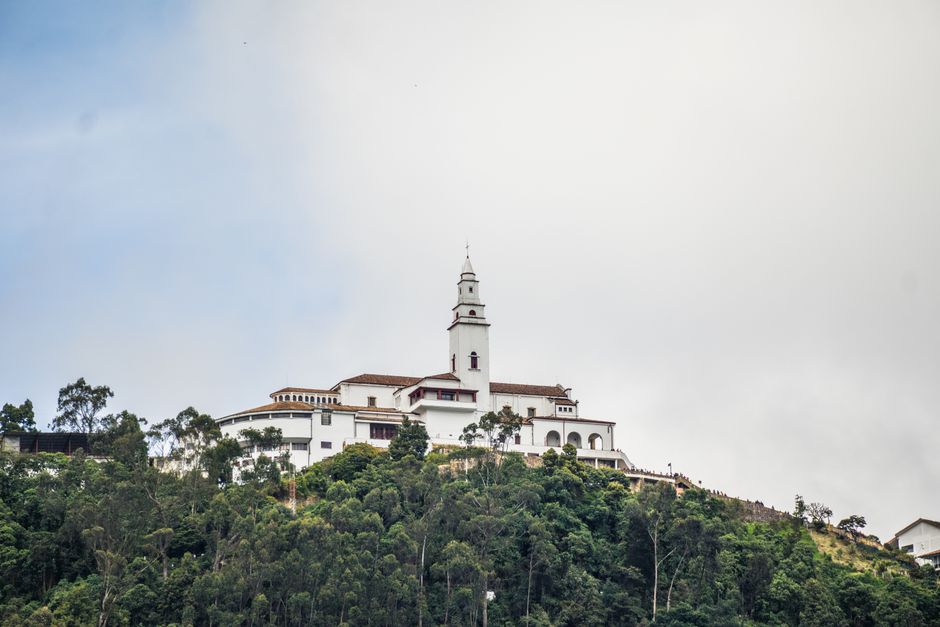
Bogotá
Bogotá, Colombia's high-altitude capital, combines contrasting historic and modern neighborhoods with significant cuisine, culture, and art offerings, including the renowned Gold Museum and panoramic views from Mount Monserrate. The capital's substantial scale and diversity make it an essential gateway for understanding contemporary Colombian society. Best for travelers seeking Colombia's deepest cultural and historical institutions alongside vibrant urban neighborhood exploration.

Coffee Cultural Landscape (Eje Cafetero)
Colombia's UNESCO-listed Coffee Cultural Landscape spans six regions and 18 towns throughout the Andean highlands, where small-scale coffee farming traditions have become deeply integrated into regional cultural identity, offering visitors farm tours, tastings, and stunning mountain scenery. The region's combination of agricultural heritage and dramatic landscape makes it one of Colombia's most rewarding rural destinations. Ideal for coffee enthusiasts and travelers seeking authentic rural Andean culture and scenery.
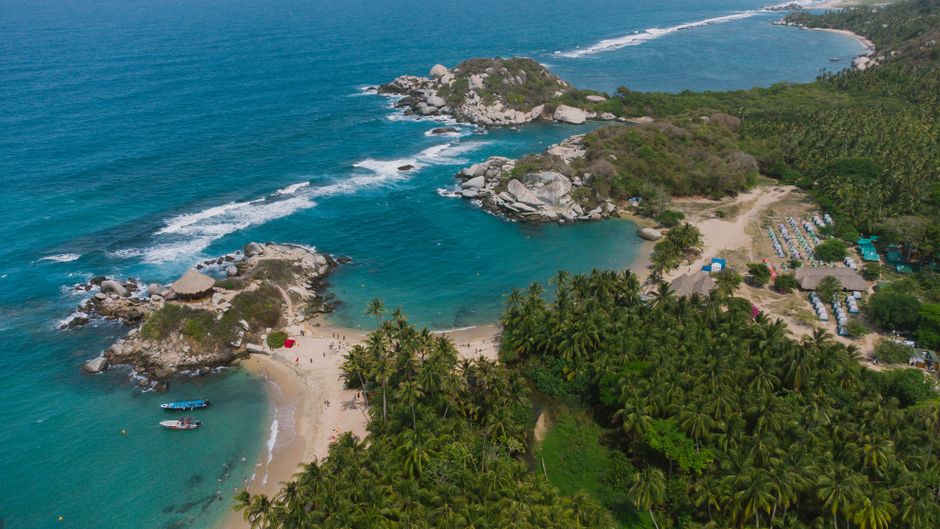
Tayrona National Park
Tayrona National Park combines pristine Caribbean beaches with dense tropical rainforest and significant Indigenous archaeological heritage, offering some of Colombia's most stunning coastal scenery within a protected natural setting near Santa Marta. The park's combination of beach relaxation and jungle hiking distinguishes it among Colombia's natural attractions. Best for travelers seeking Colombia's most beautiful protected coastline combined with accessible rainforest hiking.
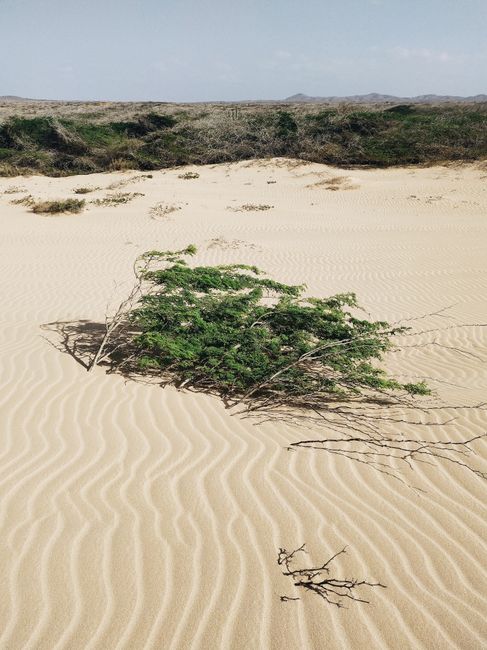
La Guajira
La Guajira, Colombia's northernmost desert region, showcases dramatic dune and coastal landscapes at destinations like Cabo de la Vela and Punta Gallinas, alongside genuine immersion into Wayuu Indigenous culture distinct from the rest of Colombia's predominantly mestizo and Afro-Colombian heritage. The region's remote, otherworldly scenery rewards travelers willing to venture beyond Colombia's standard tourist circuit. Ideal for adventurous travelers seeking dramatic desert landscapes and authentic Indigenous cultural encounters.
Unique Experiences in Colombia
Coffee Farm Tour in the Eje Cafetero
Tour a traditional small-scale coffee farm in Colombia's UNESCO-listed Coffee Cultural Landscape, learning hands-on cultivation and processing methods before tasting freshly roasted beans against a backdrop of stunning Andean mountain scenery.
Exploring Cartagena's Walled City and Fortifications
Walk through Cartagena's UNESCO-listed walled city, exploring colorful colonial balconied streets and the extensive fortifications that once protected this vital Spanish treasure port from persistent pirate attacks.
Whale Watching on the Pacific Coast
Take a boat tour from Pacific Coast towns like Nuquí to observe migrating humpback whales breeding and giving birth in Colombia's warm coastal waters, one of South America's most rewarding whale-watching experiences.
Hiking in Tayrona National Park
Hike through Tayrona National Park's dense rainforest trails to reach pristine Caribbean beaches, combining jungle exploration with beach relaxation in one of Colombia's most celebrated protected natural areas.
Visiting the Salt Cathedral of Zipaquirá
Descend into the remarkable Salt Cathedral of Zipaquirá, an underground church carved entirely within a working salt mine near Bogotá, exploring elaborately sculpted halls and chapels created from solid salt formations.
Wayuu Cultural Immersion in La Guajira
Visit Wayuu Indigenous communities in Colombia's remote La Guajira desert region, learning about traditional weaving, customs, and daily life distinct from the rest of Colombia's predominantly mestizo culture, alongside dramatic desert and coastal scenery.
Travel Tips for Colombia
Confirm Your Visa-Free Eligibility and Onward Ticket Requirement
Citizens of over 100 countries, including the US, UK, EU, Canada, and Australia, can enter Colombia visa-free for up to …
Match Your Itinerary's Regional Timing to Colombia's Split Climate Patterns
Colombia's varied geography creates distinct regional best-visit windows: December-March for Cartagena and La Guajira, J…
Research Current Safety Conditions for Specific Regions
While Colombia's major tourist destinations including Cartagena, Medellín, Bogotá, and the coffee region have dramatical…
Acclimatize to Bogotá's High Altitude
Bogotá sits at roughly 2,600 meters elevation, and some travelers experience mild altitude effects including fatigue or …
Combine Cartagena, Medellín, and Bogotá for the Fullest Colombia Experience
Many travelers focus on just one or two of Colombia's three major cities, missing the genuinely distinct character each …
Try Regional Specialties Rather Than Generic Tourist Menus
Colombia's cuisine varies significantly by region, with bandeja paisa specifically associated with Antioquia around Mede…
Must-Try Local Dishes
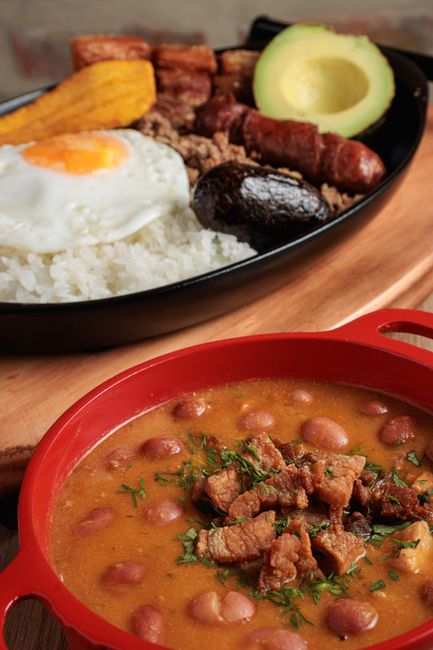
Bandeja Paisa
Bandeja Paisa, a hearty platter originating from the Antioquia region around Medellín, combines rice, beans, ground beef, chorizo, fried pork belly, fried egg, plantain, and avocado into an enormously substantial meal reflecting the region's traditional rural farming-fueled culinary heritage. The dish's sheer abundance and variety reflect Colombian hospitality and the practical need for hearty, calorie-dense meals among historically agricultural communities throughout the coffee-growing highlands. Bandeja Paisa remains a point of significant regional pride, with Medellín-area restaurants competing to offer the most generous and authentic version of this iconic Colombian dish.

Arepas
Arepas, versatile corn-based flatbreads, anchor Colombian daily eating across virtually every meal, with regional variations ranging from thin, crispy versions to thicker, cheese-stuffed preparations, reflecting corn's deep historical significance in Colombian and broader Andean cuisine. The bread's simple preparation, requiring just ground corn, water, and salt, belies its central role in Colombian identity, with passionate regional debates over the proper thickness, texture, and accompaniment for an authentic arepa. Arepas remain so fundamental to Colombian cuisine that they appear at breakfast, lunch, and dinner throughout the country, often served alongside other dishes or simply enjoyed with butter and cheese.
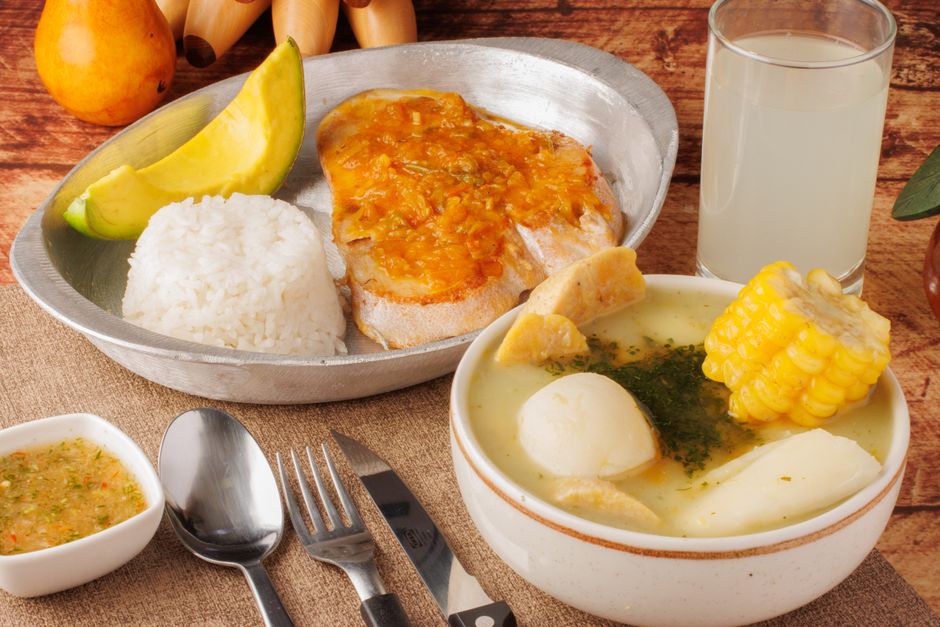
Ajiaco
Ajiaco, Bogotá's signature soup, combines three distinct potato varieties with chicken, corn, and the distinctive herb guascas in a rich, comforting broth typically finished with cream, capers, and avocado, reflecting the high-altitude Andean capital's hearty culinary traditions suited to its cooler climate. The soup's complex preparation, requiring careful balance of the three different potato textures, has made it a particularly beloved Bogotá specialty rarely replicated with the same authenticity elsewhere in Colombia. Ajiaco remains a quintessential Bogotá dining experience, often considered essential for visitors seeking genuine insight into the capital's distinctive high-altitude culinary identity.
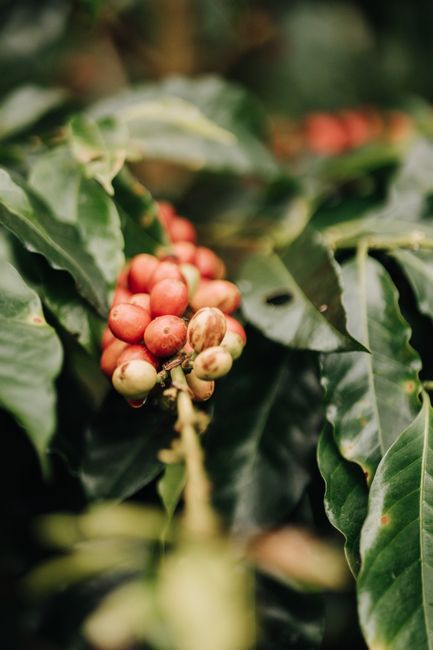
Colombian Coffee
Colombian coffee, cultivated throughout the UNESCO-listed Coffee Cultural Landscape's small mountain farms, has built one of the world's most internationally recognized coffee reputations, with the country's specific altitude, volcanic soil, and climate conditions producing distinctively smooth, well-balanced beans that established Colombia as the world's largest producer of mild coffee varieties. Coffee farm tours throughout the Eje Cafetero (Coffee Axis) region offer visitors direct insight into traditional small-scale cultivation and processing methods, often including tasting sessions comparing different regional and altitude-specific flavor profiles. Colombian coffee's continued global prestige reflects both genuinely ideal growing conditions and the cultural significance coffee farming holds within regional Colombian identity and heritage.
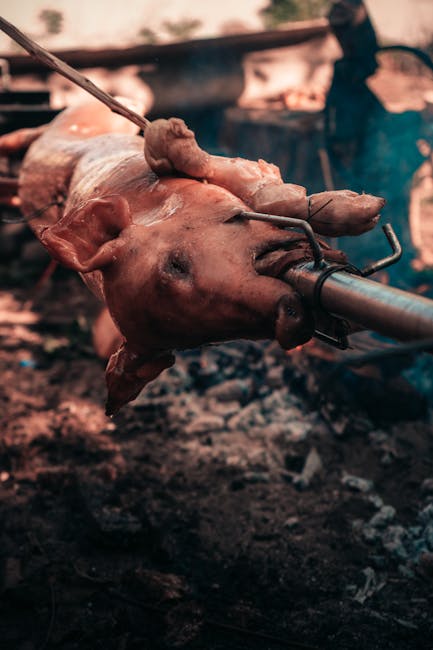
Lechona
Lechona, a whole roasted pig stuffed with rice, peas, and seasoned pork, anchors major Colombian celebrations and festivals, particularly in the Tolima region, with the slow-roasting process taking many hours to achieve the dish's signature crispy skin and tender, flavorful stuffed interior. The dish's preparation, requiring genuine skill and significant time investment, reflects its status as a special-occasion centerpiece rather than an everyday meal, typically prepared for large community gatherings, festivals, and significant family celebrations. Lechona remains a particularly significant culinary tradition during Colombian festival seasons, with certain regions developing renowned reputations for their specific preparation methods.

Tropical Fruit Juices
Colombia's extraordinary tropical fruit diversity, spanning lulo, guanábana, maracuyá, and countless other regional fruits rarely found outside South America, supports a vibrant fresh juice culture found at virtually every Colombian restaurant and street stall throughout the country. These distinctive fruits, often blended simply with water or milk into refreshing juices, offer visitors genuine introduction to flavors unavailable in most other parts of the world, reflecting Colombia's remarkable biodiversity across its varied climate zones from coastal lowlands to Andean highlands. Fresh fruit juice stands remain ubiquitous throughout Colombian cities and towns, considered an essential, affordable, and refreshing complement to the country's heartier traditional dishes.
History
Pre-Columbian Civilizations and Indigenous Heritage
Colombia's pre-Columbian history encompasses numerous sophisticated Indigenous civilizations, including the Muisca people of the central highlands and various cultures throughout the Amazon and Andean regions, each developing distinctive artistic, agricultural, and spiritual traditions across thousands of years before European contact.
Tierradentro and Chiribiquete's Ancient Achievements
Tierradentro, a UNESCO World Heritage Site, preserves an extraordinary collection of underground burial chambers (hypogea) dating from the 6th to 10th centuries, while Chiribiquete National Park, also UNESCO-listed, contains over 75,000 ancient rock paintings depicting hunting, battles, and significant jaguar worship ceremonies.
- The Muisca people developed sophisticated goldworking traditions and complex social and religious structures throughout the central Colombian highlands before Spanish conquest.
- Chiribiquete's extensive rock art collection, created over thousands of years by various Indigenous communities, represents one of the most significant collections of ancient American rock art, particularly notable for its consistent jaguar-themed religious imagery.
- Tierradentro's underground burial chambers, elaborately decorated with geometric and figurative designs, reflect sophisticated pre-Columbian funerary practices and artistic achievement predating Colombia's existence as a unified political entity by many centuries.
- This deep Indigenous heritage, spanning diverse civilizations from the highlands to the Amazon, established Colombia's foundational cultural diversity long before Spanish colonization would introduce entirely new political and religious structures.
This rich pre-Columbian heritage, exemplified by Tierradentro's underground tombs and Chiribiquete's ancient rock art, established Colombia's deep Indigenous civilizational foundations across multiple distinct cultures, predating by many centuries the Spanish colonial period that would dramatically reshape the region's subsequent history.
Climate & Best Time to Visit
Dry Season - Caribbean and Highlands (December-March)
20–32°C
December through March brings Colombia's most favorable overall conditions, with moderate temperatures and minimal rainf…
First Rainy Season (April-June)
16–26°C
April through June brings increased rainfall to much of Colombia, with afternoon showers common throughout the Andean hi…
Second Dry Season (July-August)
19–29°C
July and August bring a secondary dry season particularly favorable for the Pacific Coast, where humpback whales migrate…
Second Rainy Season and Amazon Low-Water (October-November)
17–27°C
October and November bring Colombia's second rainy season to much of the Andean region, while the Amazon region experien…
Fascinating Fun Facts
Cartagena's Fortifications Are South America's Most Extensive Colonial Defenses
Cartagena's 16th to 18th-century fortifications, a UNESCO World Heritage Site, represent the most extensive and well-pre…
Chiribiquete Holds Over 75,000 Ancient Rock Paintings
Chiribiquete National Park, a UNESCO World Heritage Site recognized for both natural and cultural significance, contains…
Colombia's Tourism Revenue Now Exceeds Coffee Exports
Colombia's tourism sector generated over $21.6 billion in revenue in 2025, surpassing the country's traditional export s…
Medellín Transformed From Cartel Violence to Digital Nomad Hub
Medellín, once internationally associated almost exclusively with drug cartel violence during the 1980s and 1990s, has u…
Tierradentro's Underground Tombs Predate Colombia by Centuries
Tierradentro, a UNESCO World Heritage Site, preserves an extraordinary collection of elaborately decorated underground b…
Colombia Is Now South America's Most Visited Country
Colombia surpassed 10.2 million international movements in 2026, establishing itself for the first time as the leading t…
Traveler Reviews (0 reviews)
Sign in to leave a review and share your experience.
Sign InNo reviews yet. Be the first to share your experience!