Canada
Updated June 20, 2026
Canada recorded 72.9 million total international arrivals in 2025, with overseas-resident arrivals (excluding the US) growing 7.5% to 6.8 million as international travelers increasingly discover destinations beyond Toronto and Vancouver. The country holds 22 UNESCO World Heritage Sites — 10 cultural…
Must-See Places in Canada

Banff and Jasper National Parks
Banff and Jasper National Parks anchor the Canadian Rockies, ranked Time Out's top travel destination for 2026 following the opening of new wellness facilities like BASIN Glacial Waters at Lake Louise. The parks' turquoise glacial lakes, towering peaks, and abundant wildlife draw visitors year-round for both summer hiking and winter skiing. Ideal for nature lovers and adventure travelers seeking some of North America's most dramatic mountain scenery.
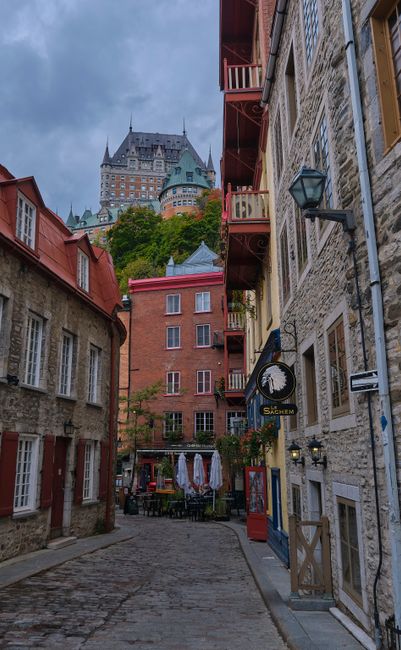
Quebec City
Quebec City's Old Town, a UNESCO World Heritage Site, preserves the only walled city north of Mexico in North America, its cobblestone streets and French colonial architecture creating a distinctly European atmosphere within Canada. The city's Winter Carnival and Christmas markets add seasonal cultural depth beyond the historic architecture itself. Best for history lovers and travelers wanting a genuinely different urban experience within North America.

Vancouver and British Columbia
Vancouver combines a mild, temperate climate with immediate access to mountains, ocean, and rainforest, anchored by Stanley Park's old-growth trees and a thriving multicultural food scene reflecting the city's significant Asian immigrant heritage. The surrounding British Columbia coastline and islands offer some of Canada's most temperate outdoor recreation. Ideal for outdoor enthusiasts and foodies seeking a milder, greener Canadian climate.
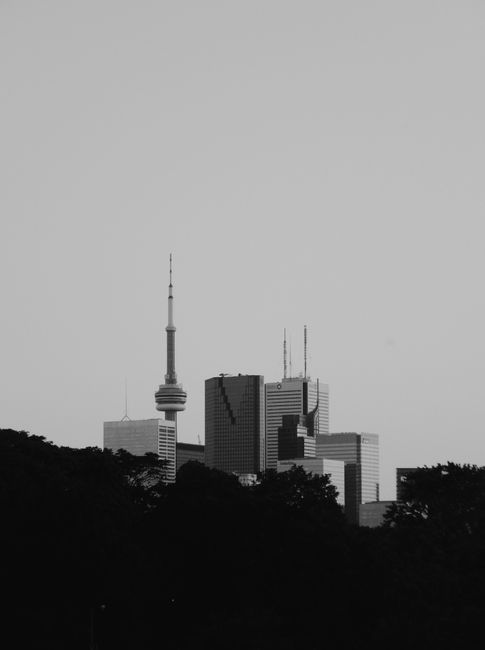
Toronto
Toronto, Canada's largest city, blends the CN Tower's iconic skyline with one of the world's most ethnically diverse urban populations, reflected in distinct neighborhoods spanning dozens of immigrant communities and cuisines. The nearby Niagara Falls makes for an easy, dramatic day trip from the city. Best for first-time visitors wanting a major cosmopolitan city with easy access to natural wonders.
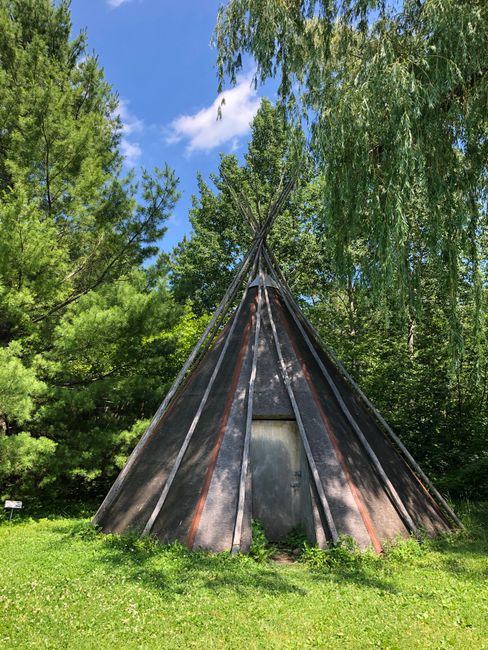
Nibiischii Park and Eeyou Istchee
Nibiischii Park in northern Quebec, the first national park in Canada managed entirely by a First Nation, protects over 10,000 square kilometers of wilderness through genuinely Indigenous-led conservation and cultural tourism. The Eeyou Istchee-James Bay region offers visitors authentic Cree-guided experiences distinct from typical national park visits. Ideal for travelers seeking meaningful Indigenous-led wilderness experiences off the beaten path.

Halifax and Atlantic Canada
Halifax, named one of Tripadvisor's top destinations for 2026, anchors Atlantic Canada's seafood-rich Maritime provinces, combining a historic waterfront with easy access to coastal villages, lighthouses, and the dramatic tides of the Bay of Fundy. The region's slower pace and strong maritime heritage offer a markedly different Canadian experience from the major western and central cities. Best for travelers seeking coastal scenery, fresh seafood, and a quieter, community-focused atmosphere.
Unique Experiences in Canada
Viewing the Northern Lights in Yukon
Watch the aurora borealis dance across Yukon's dark winter skies, where minimal light pollution and high-latitude positioning create some of the most reliable viewing conditions for the phenomenon anywhere in North America.
Hiking the Canadian Rockies' Iceline or Plain of Six Glaciers Trail
Trek through Banff or Yoho National Park's glacier-fed valleys, passing turquoise lakes and hanging glaciers on trails considered among the most scenic in the entire Rocky Mountain range.
Whale Watching in the Bay of Fundy
Watch humpback, finback, and occasionally right whales feed in the Bay of Fundy's nutrient-rich waters, home to the highest tides in the world, which create unique feeding conditions that draw whales close to shore.
Exploring Quebec's Sugar Shacks in Maple Season
Visit a traditional cabane à sucre during the brief early spring maple harvest, enjoying a hearty traditional meal drenched in fresh syrup, capped off with maple taffy poured onto snow.
Wildlife Viewing in Churchill, Manitoba
Watch polar bears in their natural Arctic tundra habitat near Churchill, Manitoba, often called the 'Polar Bear Capital of the World,' typically from specialized tundra vehicles designed for safe, close wildlife observation.
Sea Kayaking the Pacific Coast Near Tofino
Paddle through the Pacific Rim's rugged coastline and old-growth rainforest near Tofino, British Columbia, spotting sea otters, eagles, and occasionally whales along a coastline largely untouched by major development.
Travel Tips for Canada
Apply for Your eTA or Visa Based on Your Specific Nationality
Citizens of visa-exempt countries need only a simple CAD 7 Electronic Travel Authorization (eTA), approved within minute…
Budget for Significant Regional Price Variation
Vancouver and Toronto command premium accommodation and dining rates well above the national average, while Maritime pro…
Carry Bear Safety Gear When Hiking in Mountain or Wilderness Parks
Bear encounters, while uncommon, are a genuine consideration when hiking in Banff, Jasper, and similar wilderness parks …
Pack Genuinely for Winter If Traveling December Through March
Canadian winter cold is not exaggerated — many regions regularly drop well below -20°C, and underestimating this can be …
Respect Quebec's Distinct French-Language Culture
Quebec operates predominantly in French, with provincial language laws governing signage and business operations, and wh…
Consider Indigenous-Led Tourism for a Deeper Cultural Understanding
Increasingly available Indigenous-led tours and experiences, including at newer sites like Nibiischii Park, offer genuin…
Must-Try Local Dishes

Poutine
Poutine layers crispy French fries with squeaky fresh cheese curds and hot brown gravy, the gravy's heat melting the curds just slightly while keeping their distinctive squeak intact, a Quebec creation dating to the late 1950s rural diners. The dish's exact origin remains disputed among several small Quebec towns, each claiming to have invented the now-iconic combination first. Once dismissed as humble truck-stop food, poutine has since become a genuine point of Canadian culinary pride, with upscale restaurants nationwide offering elevated versions using duck confit, foie gras, or lobster.
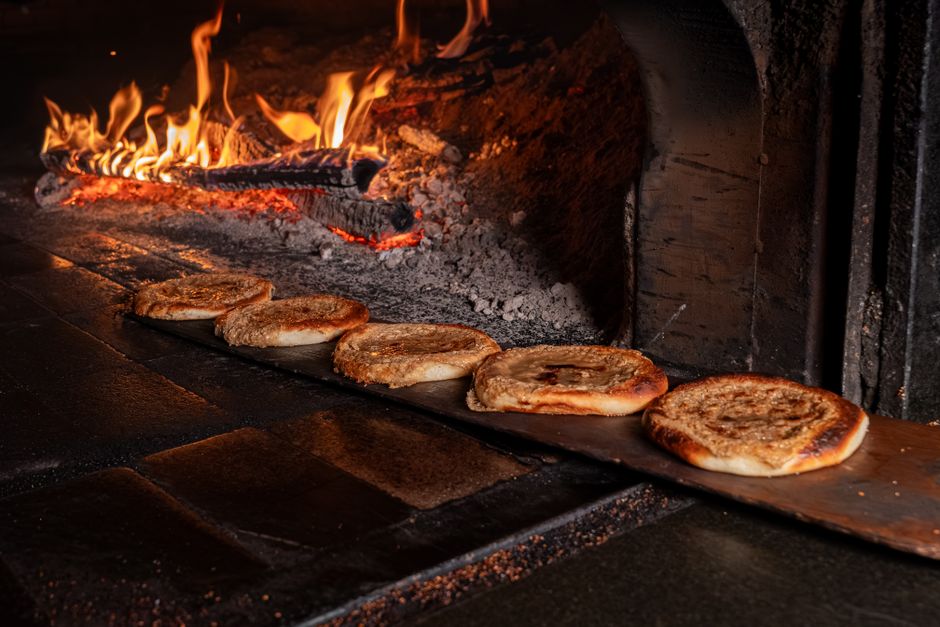
Bannock
Bannock, a simple unleavened flatbread, traces deep Indigenous roots across Canada, traditionally cooked over an open fire or in a skillet, sometimes adapted with European-introduced wheat flour after contact while retaining Indigenous preparation techniques. The bread remains a significant food in many First Nations and Métis communities today, often served alongside stews or fried as a base for both savory and sweet toppings. Its enduring presence reflects the broader revival and recognition of Indigenous culinary traditions across modern Canada.

Montreal-Style Smoked Meat
Montreal smoked meat brines beef brisket for over a week before smoking and steaming it until tender, then hand-slicing it thick and piling it generously onto rye bread with mustard, a Jewish immigrant culinary tradition that arrived in Montreal in the late 19th and early 20th centuries. Delis like Schwartz's, operating since 1928, have become institutions in their own right, with lines stretching out the door regardless of season. The dish's preparation, taking the better part of two weeks from brine to plate, reflects serious dedication to traditional curing technique.
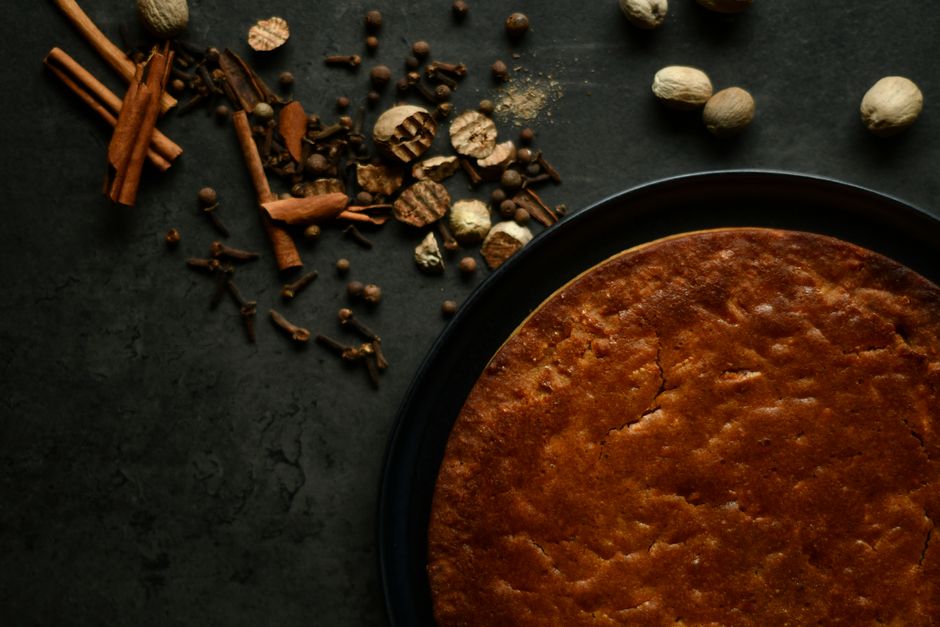
Tourtière
Tourtière, a savory Quebec meat pie typically filled with ground pork, beef, or game and warmly spiced with cinnamon and cloves, has anchored French Canadian Christmas and New Year's Eve celebrations for generations. Each region and even individual family across Quebec guards its own specific spice blend and meat combination, leading to passionate, good-natured debate over the 'authentic' version. The dish's deep, warming spices reflect French culinary tradition adapted to harsh Canadian winters and the need for hearty, long-lasting meals.
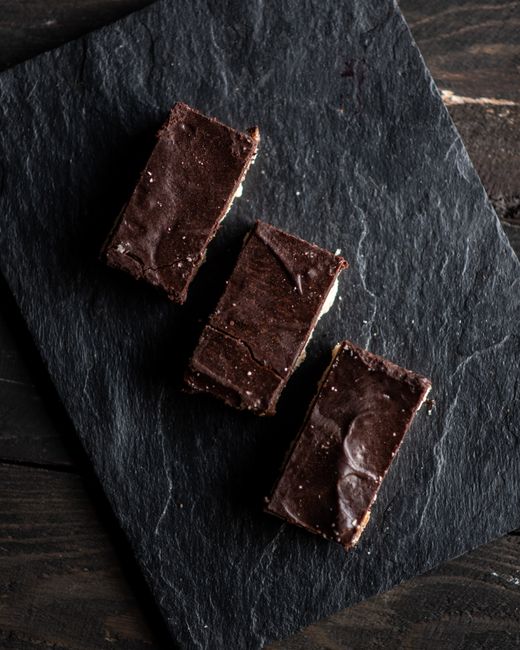
Nanaimo Bars
Nanaimo bars layer a chocolate-coconut crumb base, a custard-flavored buttercream middle, and a glossy chocolate ganache top into a rich, no-bake dessert named after the British Columbia city where it gained popularity in the mid-20th century. The treat's exact origin remains contested among several Canadian sources, though Nanaimo's claim has stuck firmly enough that the city now markets itself partly around the dessert's name and legacy. It remains a fixture of Canadian potlucks, bake sales, and holiday dessert tables nationwide.
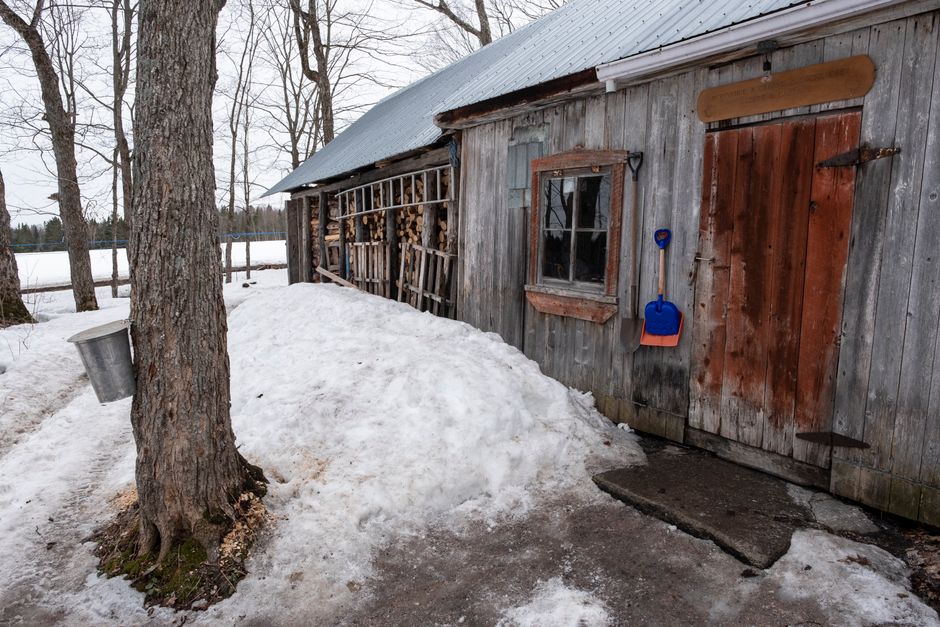
Maple Syrup and Sugar Shack Cuisine
Canadian maple syrup, harvested from sugar maple sap during a brief early spring window, anchors an entire seasonal food culture centered on rural 'sugar shacks' (cabanes à sucre), where families gather for traditional meals drenched generously in fresh syrup, including the beloved tire d'érable — maple taffy poured hot onto snow and rolled onto a stick as it hardens. Quebec alone produces roughly 70–75% of the world's maple syrup supply, making this far more than a simple breakfast condiment within Canadian food culture. The syrup's grade and flavor profile shift through the harvest season, with early-season syrup prized for its delicate, lighter taste.
History
Indigenous Nations and Early European Contact
Indigenous peoples have inhabited the territory now called Canada for at least 14,000 years, developing hundreds of distinct nations and language groups across vastly different environments, from Pacific Northwest coastal societies to Plains bison-hunting cultures and Arctic Inuit communities adapted to extreme cold. These nations developed sophisticated governance systems, extensive trade networks, and deep ecological knowledge long before European contact.
The Age of Exploration and Fur Trade
Norse explorers reached Newfoundland around 1000 AD, briefly establishing the L'Anse aux Meadows settlement, though sustained European contact began only with John Cabot's 1497 voyage and French explorer Jacques Cartier's expeditions in the 1530s.
- L'Anse aux Meadows, a UNESCO World Heritage Site, remains the only confirmed Norse settlement site in North America, predating Columbus by roughly 500 years.
- The fur trade, particularly in beaver pelts, became the dominant economic driver of early European-Indigenous contact, fundamentally shaping exploration and settlement patterns across the continent.
- Samuel de Champlain founded Quebec City in 1608, establishing the first permanent French settlement and the beginning of New France.
- Indigenous nations' deep knowledge of geography, navigation, and survival proved essential to European exploration and the fur trade's commercial success.
This early period of fur-trade-driven contact established complex, often exploitative relationships between Indigenous nations and European settlers that would profoundly shape the centuries that followed.
Climate & Best Time to Visit
Spring
2–16°C
Spring (April to May) brings melting snow and gradually warming temperatures of 5–18°C across most populated regions, wi…
Summer
15–26°C
Summer (June to August) brings warm to hot temperatures of 20–27°C across southern Canada, with Toronto, Montreal, and C…
Autumn
2–16°C
Autumn (September to November) brings Canada's renowned fall foliage, with forests transforming into vivid red, orange, …
Winter
-15–-2°C
Winter (December to March) brings genuinely cold conditions nationwide, with northern and interior regions experiencing …
Fascinating Fun Facts
Canada Has More Lakes Than the Rest of the World Combined
Canada contains an estimated 880,000 lakes, more than all other countries on Earth combined, a staggering figure resulti…
Canada Was the First Country to Adopt Multiculturalism as Official Policy
Canada became the first nation in the world to formally adopt multiculturalism as government policy in 1971, a deliberat…
Quebec City Is the Only Walled City North of Mexico
Old Quebec's fortified ramparts, built by French and later British colonial authorities, make it the only remaining wall…
Canada's Newest National Park Is Run by a First Nation
Nibiischii Park in northern Quebec became the first national park in Canada managed entirely by a First Nation, protecti…
Canadians Are Avoiding US Travel in 2026 in Large Numbers
Close to 70% of Canadians reported actively avoiding the United States as a travel destination in 2026, a striking shift…
Canada Produces More Maple Syrup Than Anywhere Else on Earth
Canada, primarily Quebec, produces roughly 70–75% of the world's maple syrup supply, harvested from sap collected during…
Traveler Reviews (0 reviews)
Sign in to leave a review and share your experience.
Sign InNo reviews yet. Be the first to share your experience!