Cambodia
Updated June 20, 2026
Cambodia welcomed 5.57 million international visitors in 2025 and projects 5.6-5.8 million for 2026, with China now the leading source market alongside Thailand, as international airlines add new routes to support what Skyscanner identified as one of 2026's fastest-growing destinations by search int…
Must-See Places in Cambodia

Angkor and Siem Reap
Angkor, a UNESCO World Heritage Site and the world's largest religious monument complex, anchors Cambodia's tourism industry, with Angkor Wat, Bayon's smiling faces, and jungle-strangled Ta Prohm drawing millions of visitors annually to the nearby gateway city of Siem Reap. The site represents the spiritual and architectural pinnacle of the Khmer Empire's golden age. Ideal for first-time visitors and history enthusiasts seeking Southeast Asia's most significant ancient architectural achievement.
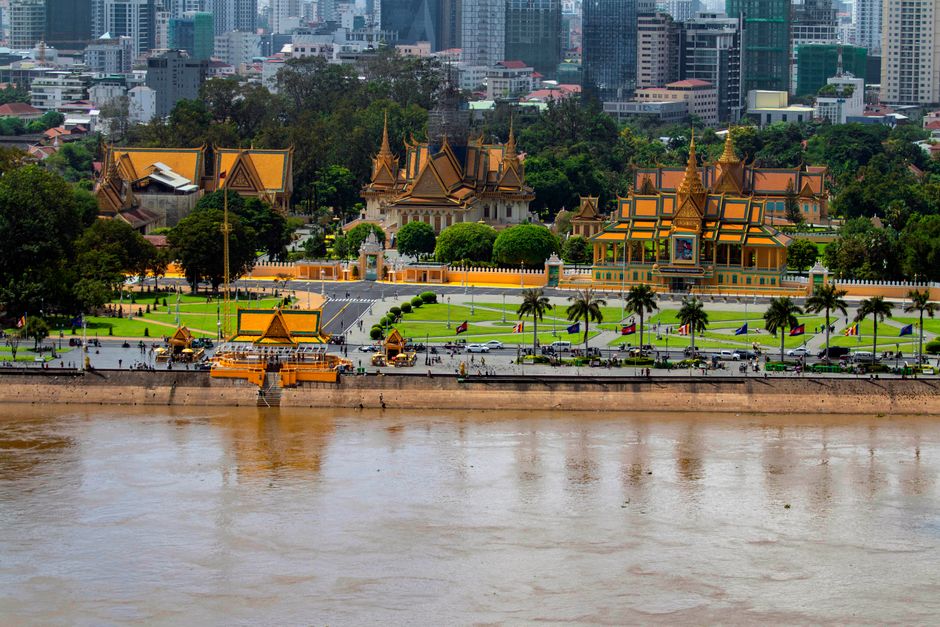
Phnom Penh
Phnom Penh combines the ornate Royal Palace and Silver Pagoda with the deeply sobering Tuol Sleng Genocide Museum, offering both Khmer royal grandeur and essential, difficult engagement with Cambodia's recent Khmer Rouge history. The capital's riverside promenade along the Tonle Sap offers a more relaxed counterpoint to these significant historical sites. Best for travelers seeking a complete understanding of Cambodia's royal heritage and 20th-century history together.
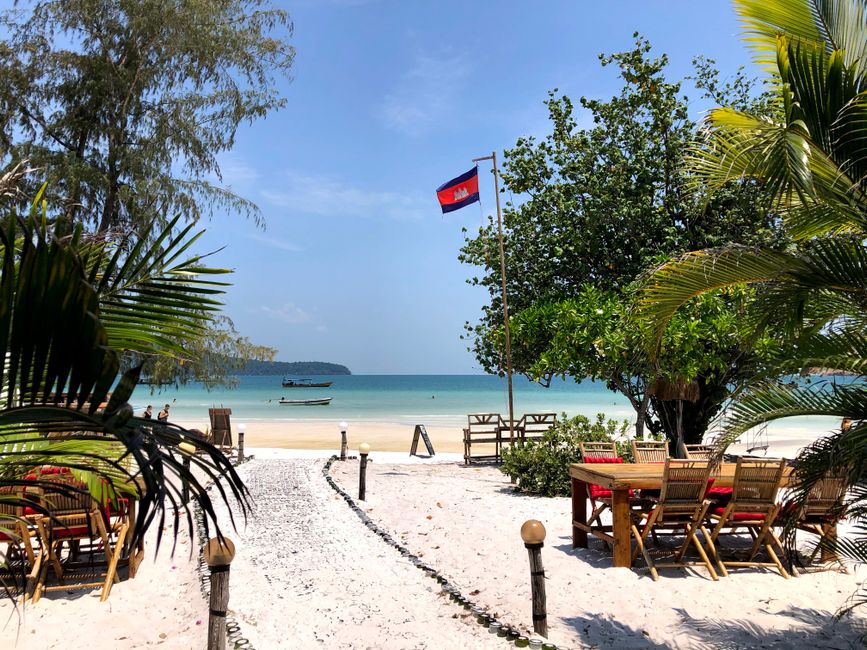
Sihanoukville and the Coast
Sihanoukville and the surrounding coastline offer Cambodia's primary beach tourism, with nearby islands providing increasingly developed resort infrastructure alongside still-relatively undiscovered stretches of coastline. The region's rich marine biodiversity supports growing diving and snorkeling interest. Ideal for beach travelers seeking a more affordable Southeast Asian coastal alternative to Thailand's busier resorts.
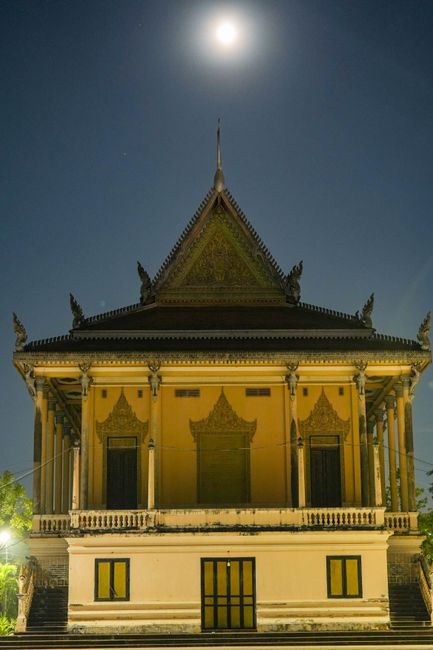
Battambang
Battambang preserves Cambodia's best-collection of French colonial-era architecture alongside a renowned contemporary circus and arts scene, offering a notably slower-paced alternative to Siem Reap's temple-focused tourism. The surrounding countryside includes the unusual Bamboo Train, a recreational rail experience on a converted cargo line. Best for travelers seeking authentic small-town Cambodian culture and contemporary arts away from the main tourist circuit.
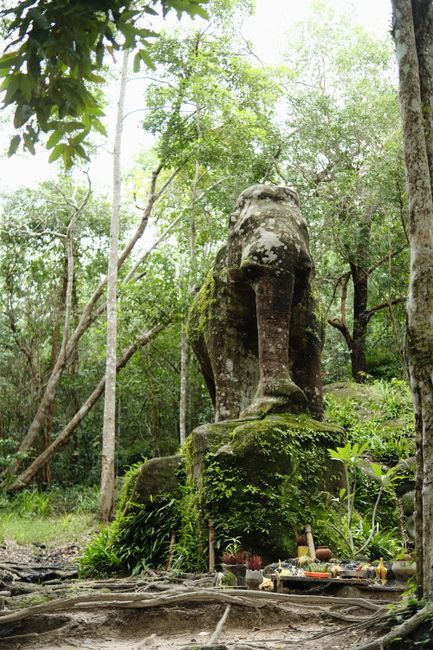
Preah Vihear
The Temple of Preah Vihear, a UNESCO World Heritage Site perched dramatically on a clifftop along the Cambodia-Thailand border, offers sweeping views and significant Khmer architectural heritage in a considerably more remote, less-visited setting than Angkor. The site's border location has historically made it a point of territorial dispute between Cambodia and Thailand. Ideal for adventurous history enthusiasts seeking significant Khmer heritage away from Angkor's larger crowds.
Kampot and Kep
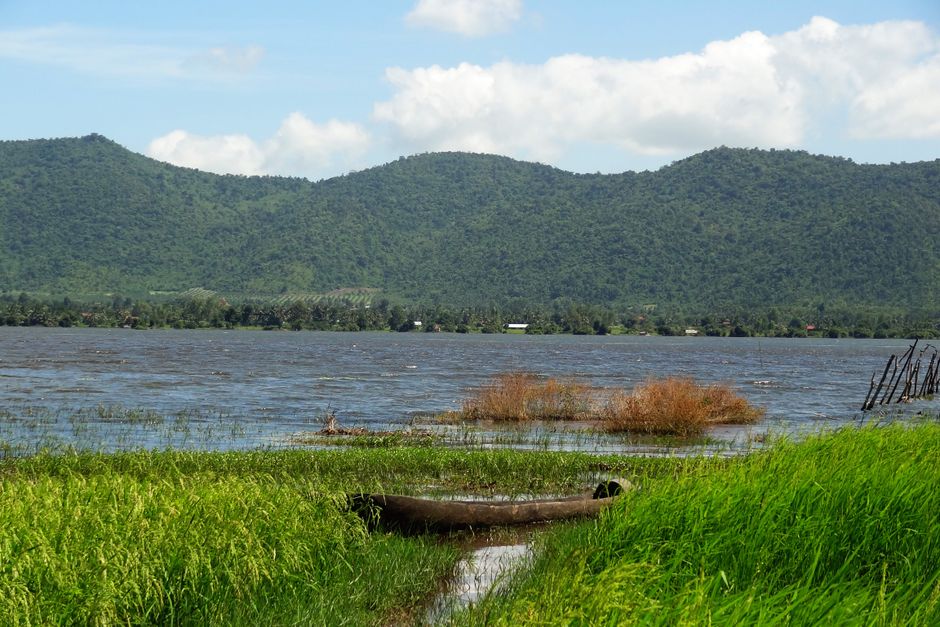
Kampot and nearby Kep offer a relaxed riverside and coastal alternative to Cambodia's busier destinations, renowned for Kampot's globally celebrated pepper plantations and Kep's fresh crab market alongside French colonial-era architecture. The region's slower pace and culinary focus distinguish it from both Angkor's temple intensity and Sihanoukville's beach resort development. Best for food travelers and those seeking a quieter, more relaxed Cambodian experience.
Unique Experiences in Cambodia
Sunrise at Angkor Wat
Watch sunrise illuminate Angkor Wat's iconic towers from across the temple's reflecting pool, an experience drawing significant pre-dawn crowds but offering one of Southeast Asia's most photographed and atmospheric moments.
Riding the Battambang Bamboo Train
Ride a converted bamboo platform powered by a small motor along a former cargo rail line near Battambang, a quirky, locally improvised transport solution that has become a genuine tourist attraction in its own right.
Visiting Tuol Sleng and the Killing Fields
Visit Tuol Sleng Genocide Museum and the nearby Choeung Ek Killing Fields in Phnom Penh, engaging directly and respectfully with Cambodia's Khmer Rouge history through preserved sites and survivor testimony.
Floating Village Tour on Tonle Sap Lake
Take a boat tour through one of the floating villages on Tonle Sap Lake, Southeast Asia's largest freshwater lake, observing communities whose homes, schools, and markets all float directly on the water.
Watching a Classical Apsara Dance Performance
Watch a traditional Apsara dance performance, a classical Khmer art form depicting celestial dancers from Hindu-Buddhist mythology, nearly lost during the Khmer Rouge era and since carefully revived.
Exploring Ta Prohm's Jungle-Engulfed Ruins
Walk through Ta Prohm, where massive tree roots have dramatically engulfed ancient temple stonework, deliberately left in this atmospheric, partially unrestored state rather than fully cleared and reconstructed like nearby temples.
Travel Tips for Cambodia
Apply for Your eVisa Through the Official Government Portal Only
Most tourists need a visa, available as a $36 eVisa through the official evisa.gov.kh portal, though this isn't accepted…
Visit Angkor During Dry Season for the Most Complete Access
November through February offers the most comfortable temperatures and reliable access to all of Angkor's temples, inclu…
Approach Khmer Rouge History Sites With Genuine Respect
Tuol Sleng and the Killing Fields document profound, recent trauma still within living memory for many Cambodians, and v…
Negotiate Tuk-Tuk Fares or Arrange a Driver for the Day
Unmetered tuk-tuks expect fare negotiation, so agree on a price before starting any ride, or consider hiring a tuk-tuk d…
Drink Only Bottled or Filtered Water
Tap water in Cambodia is not considered safe for travelers, and this caution extends to ice in smaller, non-tourist-orie…
Dress Modestly When Visiting Temples
Angkor's temples and other religious sites require covered shoulders and knees, with some, particularly Angkor Wat's upp…
Must-Try Local Dishes

Fish Amok
Fish amok, often considered Cambodia's national dish, steams freshwater fish in a rich, aromatic coconut curry made with kroeung (a Khmer spice paste of lemongrass, galangal, and turmeric), traditionally served in a banana leaf bowl that imparts subtle additional flavor during steaming. The dish's delicate, custard-like texture and distinctly Khmer spice profile, milder and more herbal than neighboring Thai curries, reflects Cambodia's own culinary identity rather than simply derivative regional influence. Restaurants throughout Cambodia, from street stalls to upscale establishments, consider their amok preparation a genuine point of culinary pride.
Nom Banh Chok
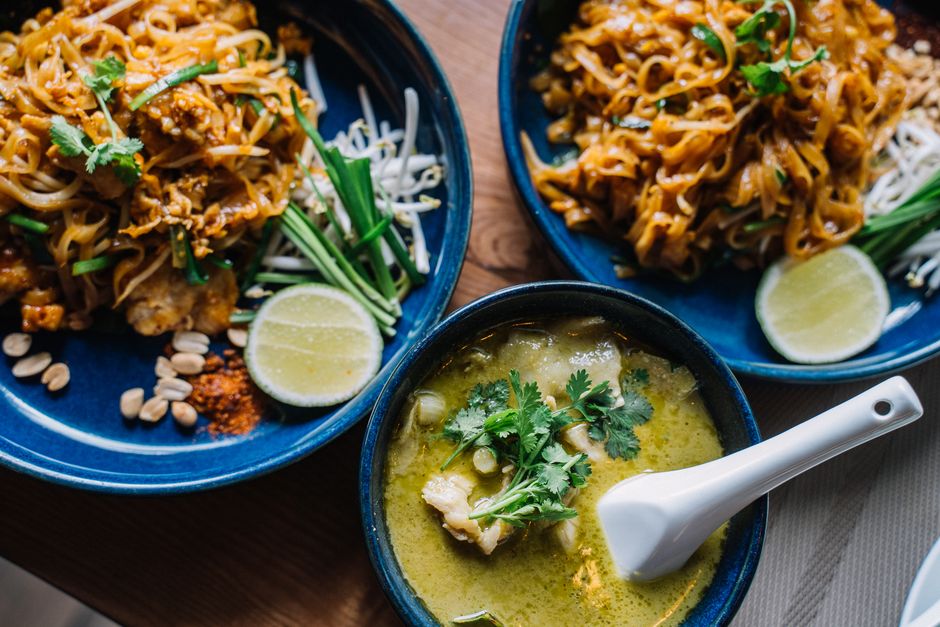
Nom banh chok, often called Khmer noodles, tops fresh rice vermicelli with a fragrant fish-based green curry gravy and a generous pile of fresh herbs and vegetables, traditionally sold by street vendors carrying baskets balanced on shoulder poles, particularly popular as a breakfast dish throughout Cambodia. The dish's reliance on fresh, raw vegetable garnishes alongside the warm noodles and gravy creates a distinctive textural contrast central to its appeal. Regional and vendor-specific variations in the curry's exact herb blend create countless subtle differences across the country.
Khmer Curry (Kari)
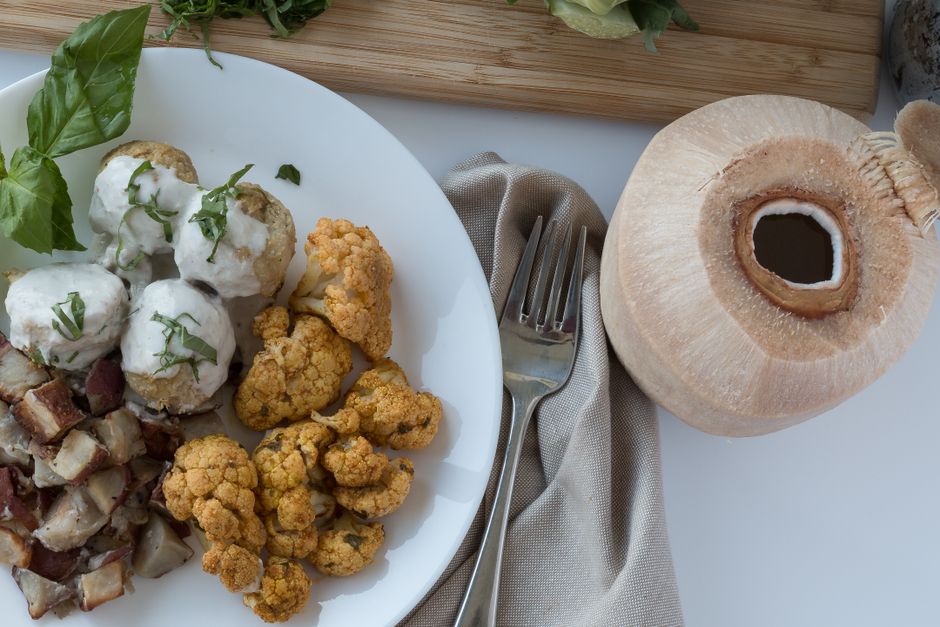
Khmer curry, distinct from neighboring Thai versions, uses a milder, less spicy coconut-based sauce flavored with kroeung paste and often potatoes, reflecting French colonial influence on the dish's name and presentation alongside distinctly Khmer flavor preferences. The dish typically includes chicken or beef alongside the vegetables and potatoes, simmered until tender in the rich, aromatic sauce. Cambodian curry's relative mildness compared to regional counterparts often surprises visitors expecting the more intense spice levels common in neighboring Thai cuisine.
Lok Lak
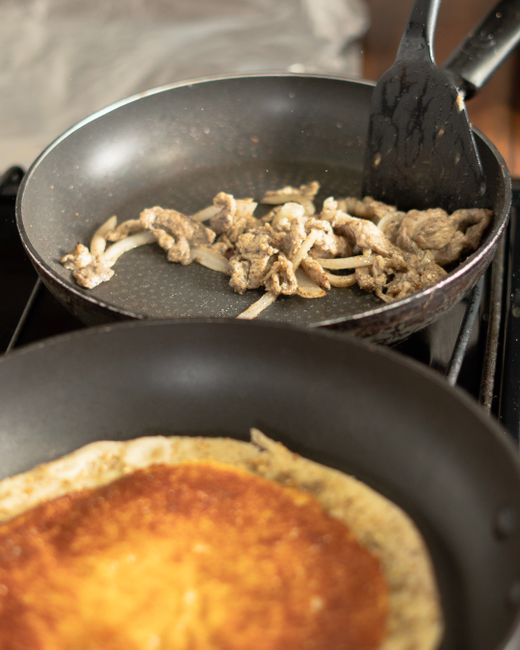
Lok lak stir-fries marinated beef strips until just seared, served over crisp lettuce and tomato with a tangy lime-pepper dipping sauce and often a fried egg on top, representing a beloved Cambodian dish with French colonial culinary influence evident in its technique and presentation. The dish's straightforward but flavorful preparation makes it a popular choice across casual restaurants and street stalls throughout the country. The accompanying lime-pepper sauce, simple but essential, provides the dish's signature tangy finishing note.
Prahok
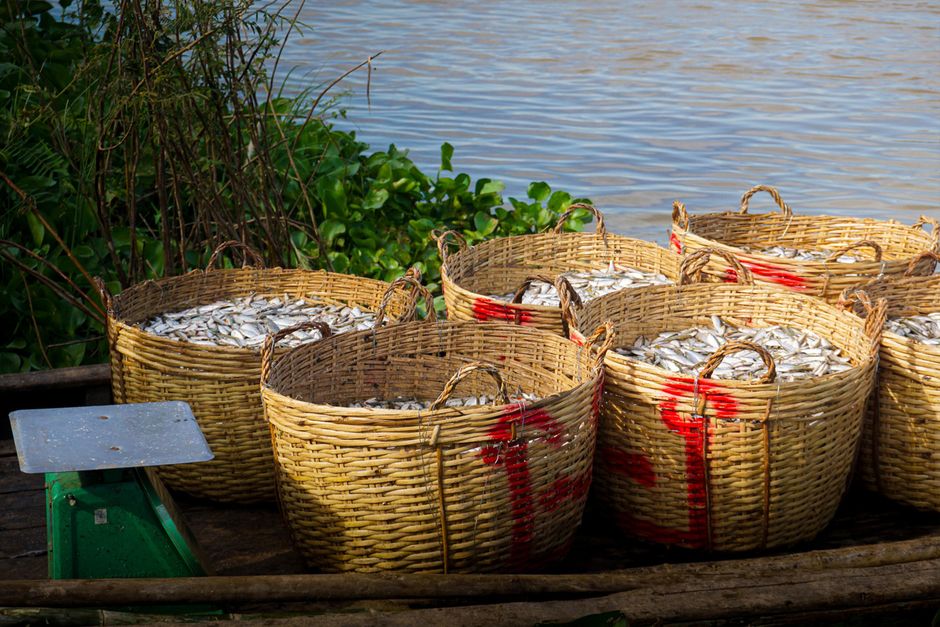
Prahok, a pungent fermented fish paste, anchors much of Cambodian cooking as a foundational flavoring ingredient, comparable in cultural importance to fish sauce elsewhere in Southeast Asia but considerably more intense in both aroma and flavor, used sparingly to add deep umami complexity to dishes rather than eaten alone in large quantities. The fermentation process, taking weeks or months, has been practiced for generations as both a flavoring technique and a practical food preservation method predating modern refrigeration. Its strong smell makes it an acquired taste for many first-time visitors, though it remains utterly fundamental to authentic Khmer cooking.

Num Ansom
Num ansom, sticky rice cakes wrapped in banana leaves and filled with mung bean paste and sometimes banana or pork, hold particular significance during Cambodian festivals and celebrations, especially the Khmer New Year, when families gather to prepare large batches together. The labor-intensive wrapping and steaming process makes preparing num ansom a genuinely communal activity, with the resulting dense, slightly sweet rice cakes traditionally shared among extended family and offered to monks during religious observances.
History
Funan and Chenla: Early Khmer Kingdoms
The earliest documented Khmer-related states, known to history as Funan and later Chenla, emerged in the Mekong Delta region from roughly the 1st century AD, absorbing significant Indian cultural, religious, and political influence through maritime trade contact that introduced Hinduism and Buddhism to the region.
Foundations of Khmer Civilization
These early kingdoms developed sophisticated irrigation systems and political structures that would later inform the much more elaborate hydraulic engineering of the Angkorian period, while absorbing Sanskrit literary and religious traditions that shaped Khmer royal and religious culture for centuries.
- Indian cultural influence, arriving through trade rather than conquest, introduced both Hinduism and Buddhism, with Khmer civilization eventually blending elements of both throughout its history.
- Sambor Prei Kuk, the temple zone of ancient Ishanapura and a UNESCO World Heritage Site since 2017, represents one of the most significant Chenla-era archaeological sites, predating the later Angkorian temples.
- These early kingdoms established trade connections across the broader Southeast Asian and Indian Ocean trading world, positioning the region as a significant hub well before Angkor's later prominence.
- This Funan-Chenla period laid essential cultural, religious, and political groundwork for the unification and golden age that would follow under the Khmer Empire.
This early period's absorption of Indian cultural and religious influence established foundational patterns that would reach their most spectacular architectural expression centuries later during the Angkorian Khmer Empire.
Climate & Best Time to Visit
Dry Season (Peak Season)
18–28°C
November to February brings Cambodia's most comfortable conditions, with temperatures of 20-28°C and minimal rainfall, m…
Hot Dry Season
24–36°C
March to April brings Cambodia's hottest conditions, with temperatures climbing to 30-38°C while rainfall remains minima…
Wet Season
24–33°C
May to October brings Cambodia's monsoon season, with frequent but typically short afternoon showers rather than constan…
Peak Wet Season
25–32°C
August to September brings the heaviest rainfall of the wet season, with more sustained and intense downpours than earli…
Fascinating Fun Facts
Angkor Wat Is the World's Largest Religious Monument
Angkor Wat, built in the early 12th century under King Suryavarman II, remains the largest religious monument in the wor…
Angkor Once Housed Up to 1 Million People
At its height during the Khmer Empire's golden age, Angkor may have supported a population of up to 1 million people, ma…
The Khmer Rouge Killed Roughly a Quarter of Cambodia's Population
The Khmer Rouge regime (1975–1979), led by Pol Pot, killed an estimated 1.5 to 2 million people through execution, force…
Bayon Temple's 216 Faces May All Represent the Same Person
Bayon Temple, built by King Jayavarman VII in the late 12th-early 13th century, features 216 serene, smiling stone faces…
Ta Prohm's Jungle-Strangled Ruins Were Deliberately Left Unrestored
Ta Prohm temple, made internationally famous through its appearance in major Hollywood productions, has been deliberatel…
Cambodia's Most Recent UNESCO Site Documents Its Own Genocide
Cambodia's Memorial Sites, recognized as a UNESCO World Heritage Site in 2025 under the title 'From centre of repression…
Traveler Reviews (0 reviews)
Sign in to leave a review and share your experience.
Sign InNo reviews yet. Be the first to share your experience!